In modern agriculture, efficiency and consistency are essential for commercial success. As HGDN, we have seen how a well-designed nursery tray system can directly influence germination rates, crop uniformity, and overall operational efficiency. For growers managing large-scale production, choosing the right tools is not just about convenience—it is about maintaining predictable outcomes. This is why solutions like wholesale nursery tray supply and support from a reliable plastic film manufacturer play a critical role in daily agricultural operations.
The Role of Nursery Systems in Crop Uniformity
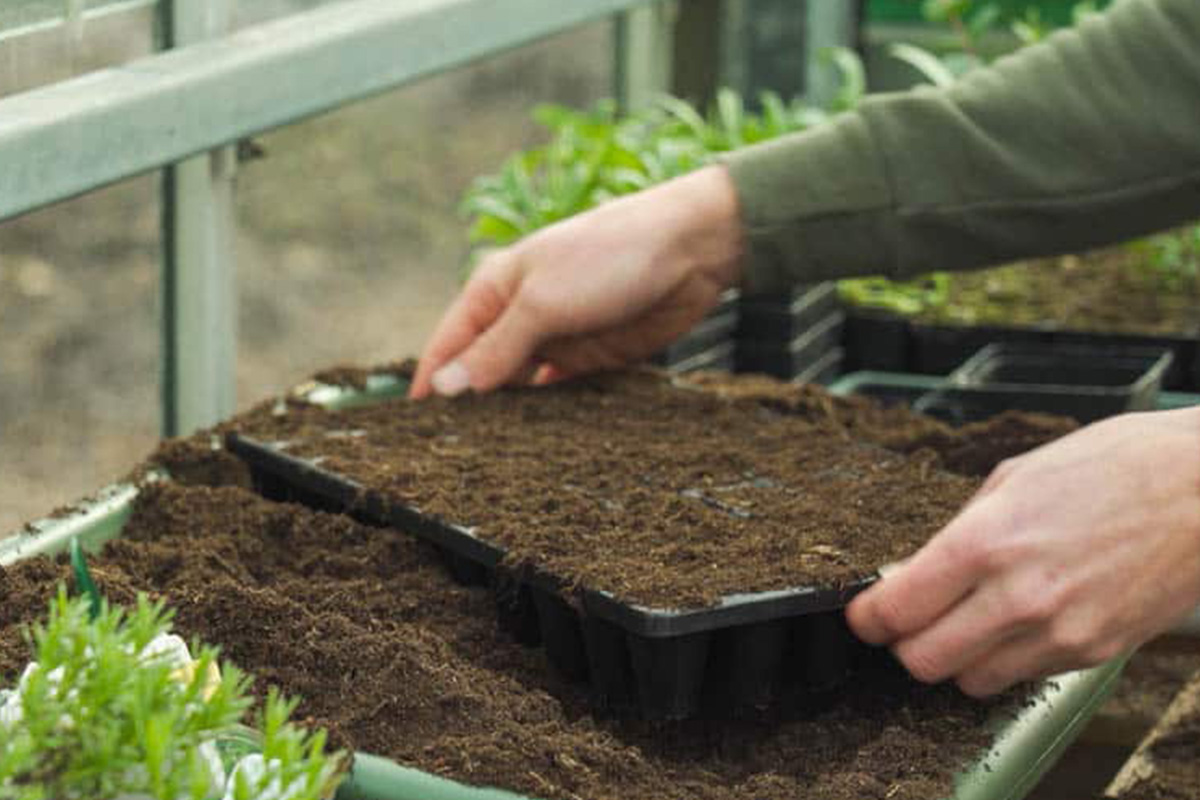
A high-quality nursery tray ensures that each seed receives equal access to water, nutrients, and space. This uniform environment helps commercial growers achieve consistent seedling development, which is essential when crops are transplanted in bulk. When sourcing through nursery trays wholesale channels, growers can maintain standardization across multiple planting cycles. At the same time, working with a dependable plastic film manufacturer allows integration between trays and supporting materials such as mulch films. This coordination improves workflow efficiency and reduces variability in crop outcomes.
Cost Efficiency and Resource Management
From a cost perspective, the combination of nursery tray systems and supporting agricultural materials helps reduce waste and optimize inputs. Bulk purchasing through nursery trays wholesale ensures stable supply and cost control, especially during peak planting seasons. Additionally, as a plastic film manufacturer, we provide complementary products like 40 Micron Silver Black Mulch Film. Its silver surface reflects sunlight, helping repel pests such as aphids and thrips, while the black underside blocks light to suppress weeds. This dual function reduces reliance on chemical inputs and supports better moisture retention, lowering irrigation demand in practical field conditions.
Integration with Modern Agricultural Practices
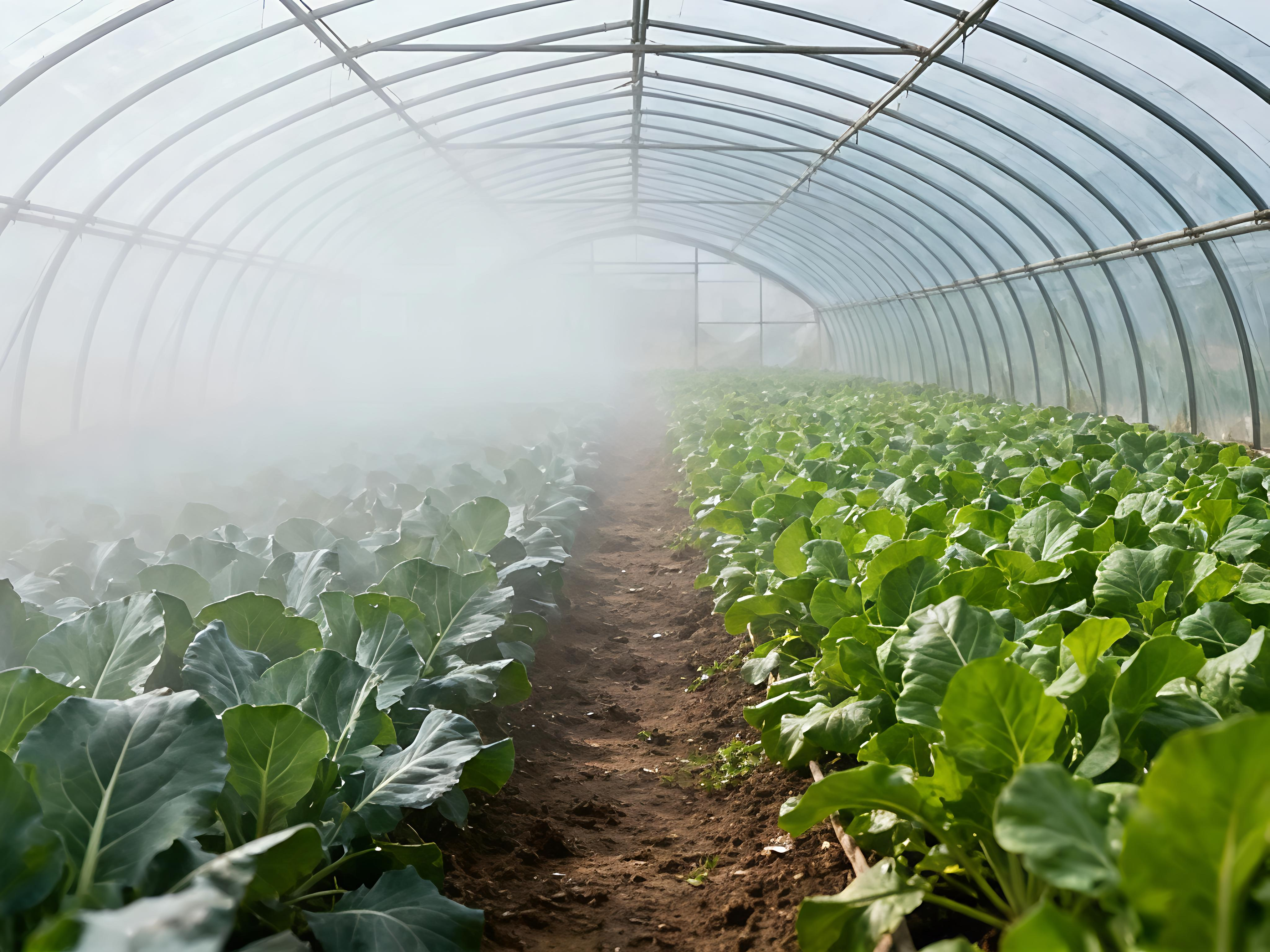
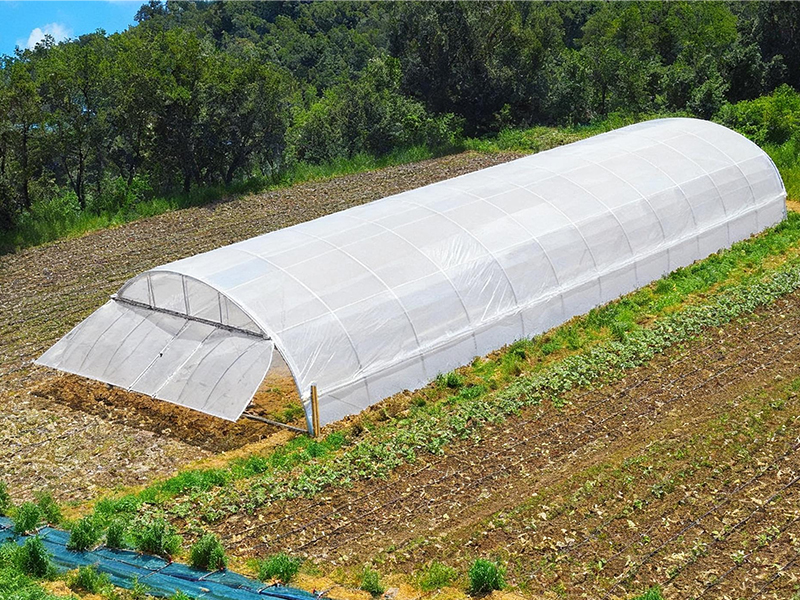
Today’s commercial growers increasingly look for integrated solutions rather than isolated products. A nursery tray is no longer just a container—it is part of a broader cultivation system. By combining nursery trays wholesale supply with durable films from a trusted plastic film manufacturer, growers can streamline planting, transplanting, and field management. For example, moisture retention provided by mulch films can support healthier seedlings initially grown in trays, creating a smoother transition from nursery to field. This type of integration reflects how agricultural practices are evolving toward efficiency and sustainability.
Conclusion
In commercial agriculture, the importance of a nursery tray extends beyond seed starting—it influences crop quality, cost control, and operational consistency. Reliable sourcing through nursery trays wholesale channels, combined with materials from a professional plastic film manufacturer, supports a more structured and efficient growing process. By aligning nursery systems with field applications such as mulch film use, growers can improve productivity while managing resources more carefully. This practical approach explains why nursery trays remain a key component in modern commercial growing strategies.