In modern commercial propagation systems, nursery seedling trays play a critical role in ensuring uniform germination, healthy root development, and efficient transplanting. At HGDN, we have observed that many growers still underestimate how much seedling management impacts final crop performance. As a professional manufacturer in the plastic agriculture sector, we provide solutions including propagation tools and agricultural film systems that support stable growing environments from the earliest stage of cultivation.
In this article, we share common mistakes growers make when using nursery trays and how to avoid them through better management practices and reliable materials.
Choosing the Wrong Tray Type and Ignoring Crop Needs
One of the most frequent mistakes is selecting nursery seedling trays without considering crop-specific root structure and growth cycle. Different plants require different cell depths, drainage designs, and spacing conditions. Using a generic tray often leads to weak root binding, uneven germination, or transplant shock.
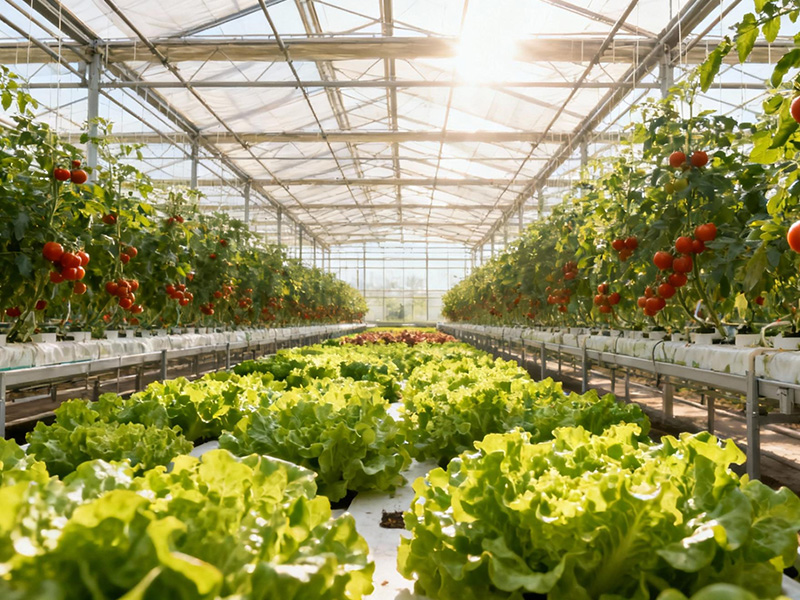
At HGDN, we emphasize matching tray structure with crop requirements. For example, deep-root crops need more vertical space, while leafy vegetables benefit from smaller, high-density cells. When combined with protective agricultural film in greenhouse environments, temperature and humidity can be stabilized, further improving seedling consistency. Growers should avoid prioritizing cost alone when selecting trays. Instead, they should consider durability, ventilation design, and compatibility with greenhouse systems using agriculture film.
Poor Substrate Filling and Uneven Seeding
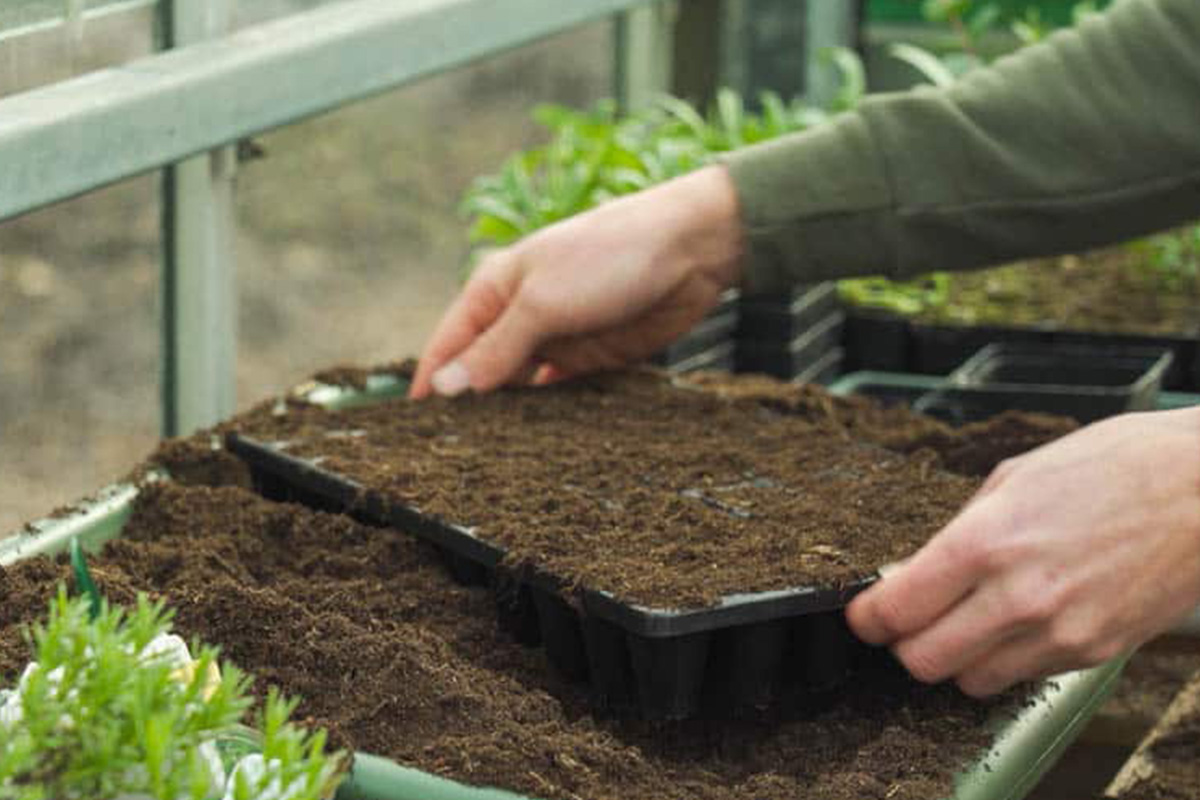
Another common issue is inconsistent filling of growing media. When soil or substrate is not evenly packed into nursery seedling trays, it results in irregular water distribution and uneven germination rates. Over-compression can block root aeration, while under-filling causes poor seed-to-soil contact. We recommend using a standardized filling process and light compaction to ensure uniform density. This helps seedlings grow at the same pace, improving overall nursery efficiency. In controlled environments where agricultural film is applied to retain heat and moisture, consistent substrate preparation becomes even more important because microclimate conditions amplify growth differences. At HGDN, our experience in agricultural plastic systems shows that precision at this stage directly affects transplant survival rates.
Inadequate Environmental Control in Nursery Stages
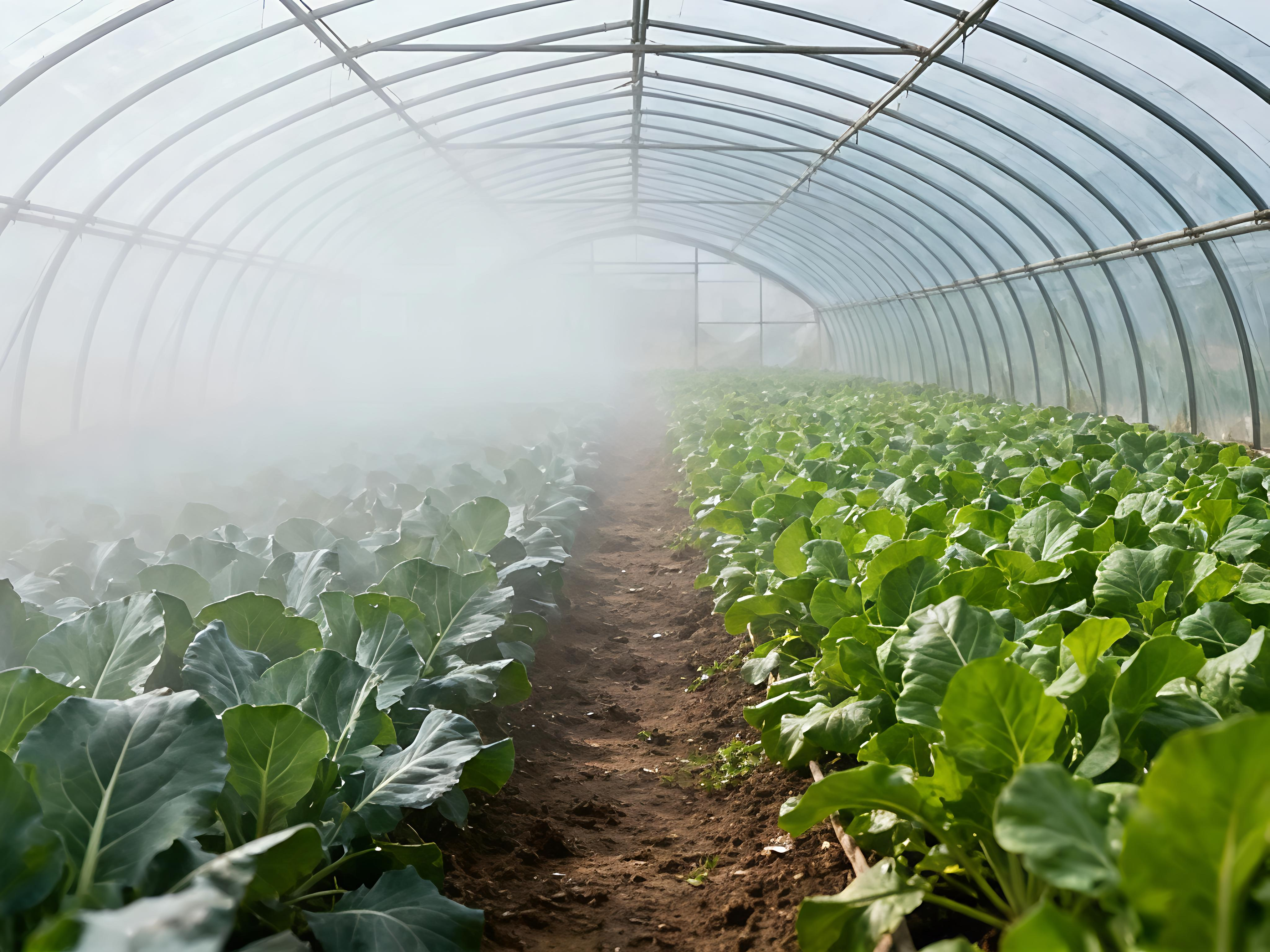
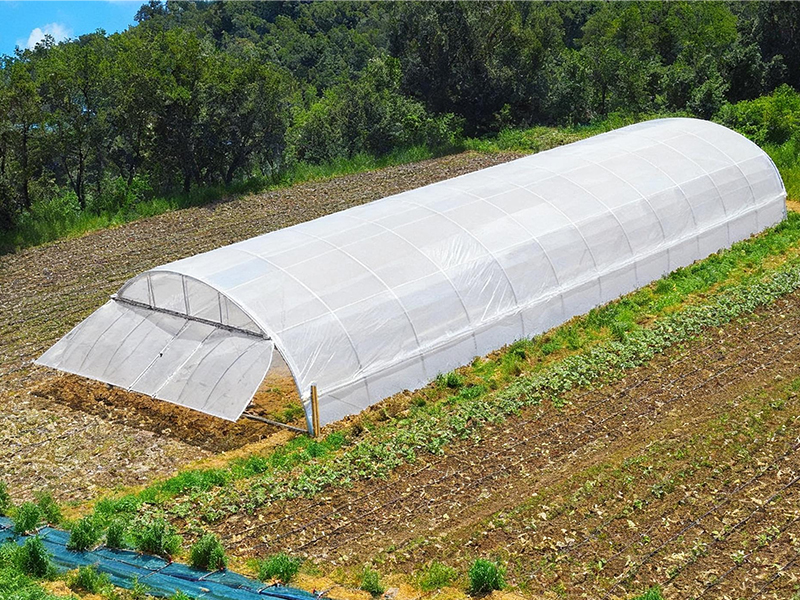
Many growers overlook environmental stability during early germination. Temperature fluctuations, moisture loss, and wind exposure can all negatively affect seedlings grown in nursery seedling trays. Without proper protection, seedlings become weak and inconsistent. This is where greenhouse systems supported by agriculture film become essential. Our agricultural film solutions are widely used in horticulture and farming to provide heat preservation, moisture retention, wind resistance, and rain protection. These functions help maintain stable nursery conditions and significantly reduce seedling stress. At HGDN, we design materials that work together with nursery systems, ensuring growers can maintain a controlled environment even under changing outdoor conditions.
Overwatering or Poor Drainage Management
Water management is another critical issue. Excessive watering in nursery seedling trays can lead to root rot, fungal diseases, and oxygen deficiency, while insufficient irrigation causes dehydration and weak seedlings. Proper tray design with drainage holes is essential, but growers must also adjust irrigation frequency based on environmental conditions. When used in combination with moisture-retaining agricultural film, water efficiency can be improved, but it also requires careful monitoring to avoid oversaturation. HGDN recommends a balanced irrigation strategy that considers both tray structure and greenhouse humidity levels. This integrated approach ensures healthier root systems and higher survival rates after transplanting.
Ignoring Post-Germination Management and Transplant Timing
Even after successful germination, many growers fail to manage seedlings properly before transplanting. Leaving plants too long in nursery seedling trays can lead to root entanglement, nutrient depletion, and reduced field performance. Timely transplanting is essential for maintaining plant vigor. Seedlings should be moved once they reach optimal root development without becoming root-bound. During this phase, greenhouse conditions controlled by agriculture film help maintain steady growth and reduce stress before field transfer. At HGDN, we support growers with practical guidance on lifecycle management, ensuring that nursery systems are aligned with real agricultural production schedules.
HGDN Solutions for Modern Nursery Systems
As a professional manufacturer in agricultural plastics, HGDN focuses on providing reliable and efficient solutions for global growers. Our product ecosystem includes nursery seedling trays designed for durability, standardized propagation, and improved plant survival rates. In addition, our agricultural film products are widely used in greenhouse and horticulture applications to support temperature regulation, moisture control, and environmental protection.
We operate with advanced production equipment and maintain strict quality standards aligned with CE, REACH, and BSCI certifications. With a delivery cycle of 15–20 days, we ensure timely supply for both domestic and international agricultural projects. Our 24-hour online consultation service also provides technical support for growers who need assistance in selecting the right systems.
HGDN is committed to helping farmers and distributors improve efficiency through reliable agricultural plastic solutions. Whether you are optimizing nursery production or upgrading greenhouse environments, our integrated approach ensures better outcomes from seedling to harvest.
Conclusion
Avoiding common mistakes in nursery management is essential for achieving consistent and high-quality crop production. From tray selection and substrate preparation to environmental control and transplant timing, every step influences final results. By combining properly designed nursery seedling trays with effective greenhouse systems using agriculture film, growers can significantly improve efficiency and plant survival rates.
At HGDN, we continue to support modern agriculture with durable products, technical expertise, and integrated solutions that enhance every stage of plant cultivation.