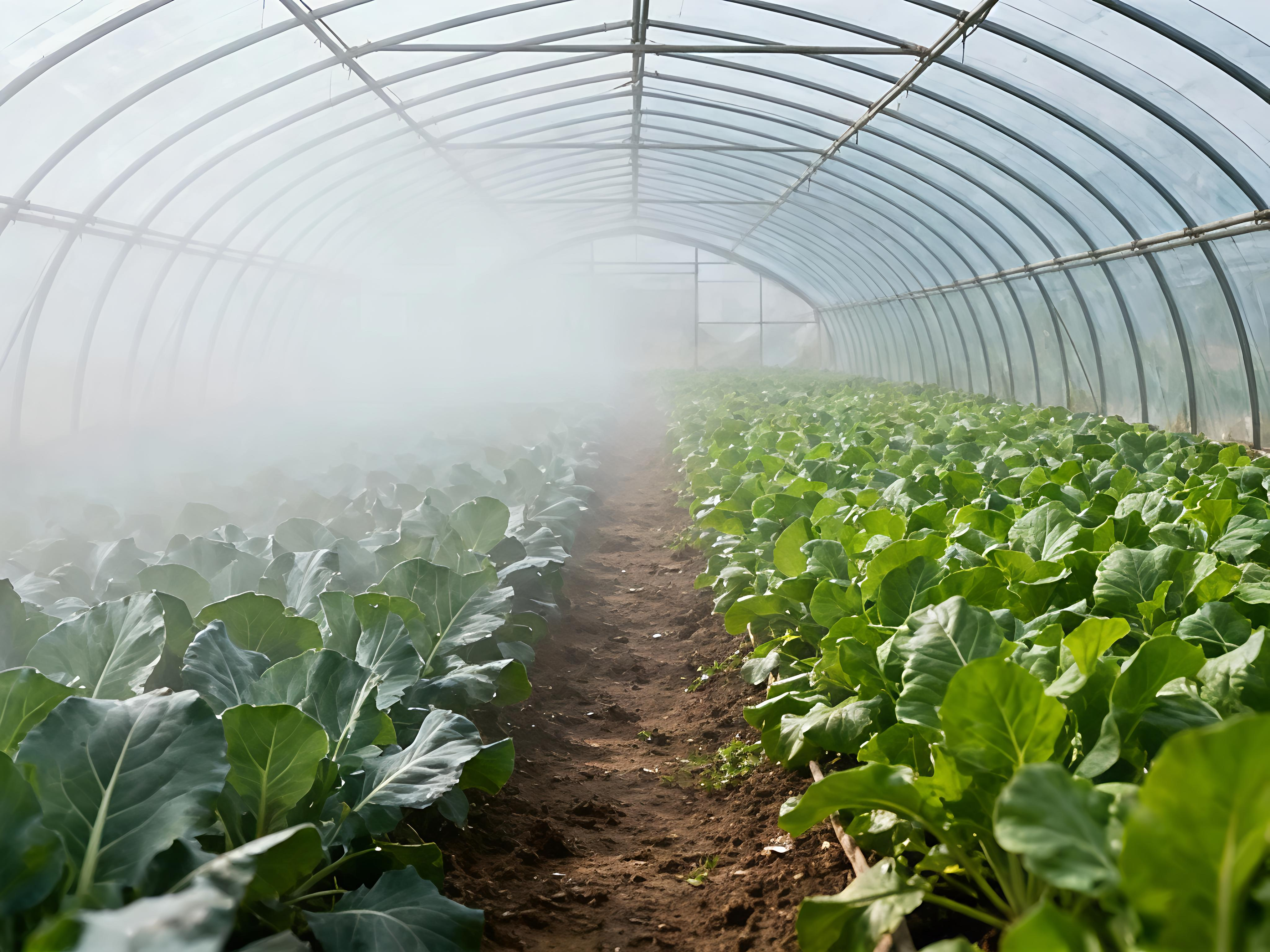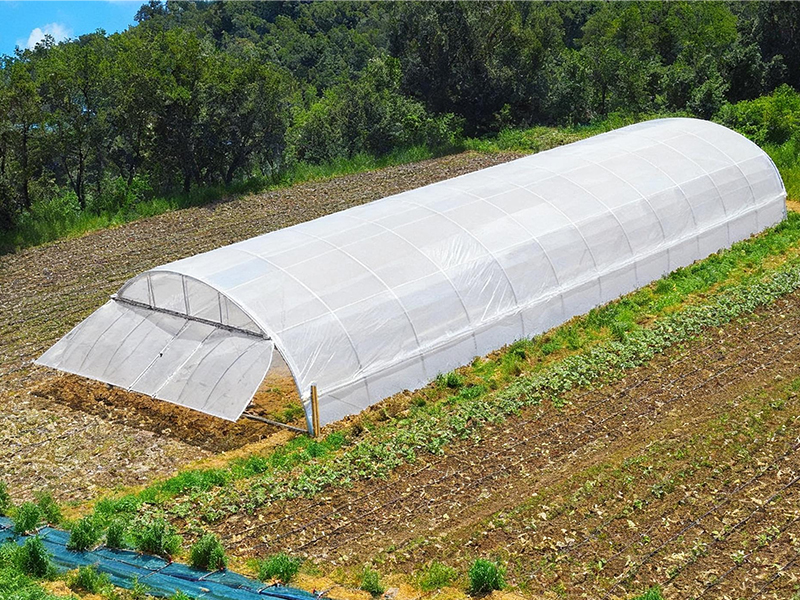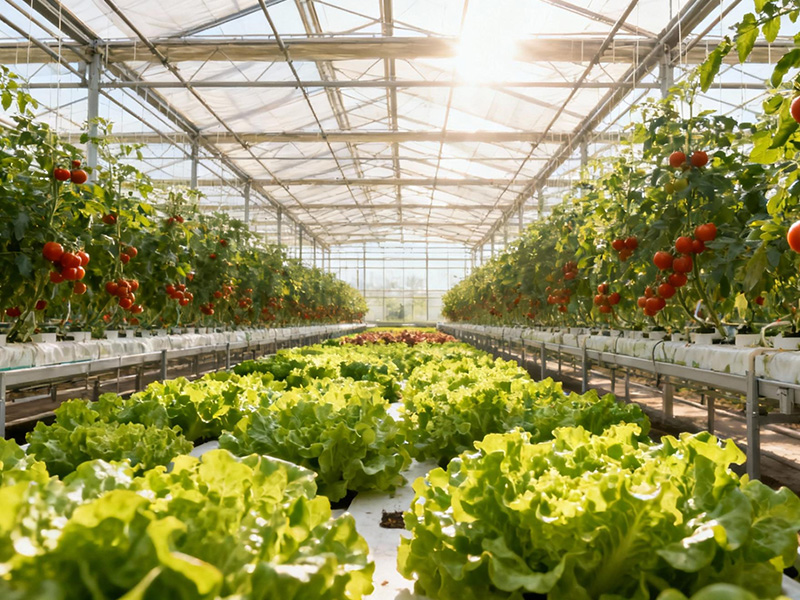
As global agriculture continues shifting toward sustainability and high-efficiency cultivation, we at HGDN are witnessing rapid changes in grower preferences and procurement standards. One of the most significant innovations leading this transformation is compostable mulch film, which is becoming a core material in modern farming systems due to its environmental benefits and agronomic performance. In 2026, demand is expected to accelerate further as governments tighten plastic regulations and farmers seek higher yield efficiency with lower environmental impact. Alongside this trend, we also see increased integration between mulch film systems and nursery solutions such as our seedling propagation tray, forming a more complete and efficient planting cycle for commercial growers.
Global Shift Toward Sustainable Agriculture in 2026
The agricultural industry is undergoing a structural shift driven by environmental policies, soil protection requirements, and consumer demand for eco-friendly food production. Traditional plastic films are gradually being replaced by biodegradable alternatives as sustainability becomes a procurement priority. Within this transition, compostable mulch film is gaining strong momentum because it supports soil health while eliminating the need for post-harvest film removal. In 2026, we expect adoption to increase significantly across Europe, North America, and emerging agricultural economies where large-scale farming requires both efficiency and compliance with environmental standards such as CE and REACH.
At HGDN, we design solutions aligned with these global standards, ensuring our materials meet strict regulatory and performance requirements while maintaining stability in field applications. This positions us as a reliable supplier for distributors and agricultural projects focused on long-term sustainability.
Performance Advantages of Compostable Agricultural Systems
Modern farmers are no longer choosing mulch materials based only on cost—they are evaluating performance, durability, and environmental lifecycle impact. Compostable mulch film plays a critical role in this shift because it offers multiple agronomic benefits beyond basic ground coverage. It helps retain soil moisture, regulate temperature, suppress weed growth, and promote earlier crop maturity. These functions directly contribute to higher yield efficiency and reduced labor costs, especially in large-scale cultivation environments.
As production technologies advance, the consistency and degradation control of biodegradable films continue to improve, making them suitable for a wider range of crops and climates. At HGDN, we integrate advanced extrusion technologies and strict quality control systems to ensure our agricultural films perform reliably across diverse field conditions while supporting sustainable farming objectives.
Market Drivers Influencing Mulch Film Adoption and Pricing
Several key factors are driving the growing demand for biodegradable agricultural films in 2026. The first is regulatory pressure. Governments are increasingly restricting non-degradable plastic use in agriculture, encouraging farmers to transition to environmentally responsible alternatives. The second driver is efficiency optimization. Farmers are focused on maximizing yield per hectare while minimizing maintenance costs. This shift has made mulch systems a standard component in modern cultivation strategies.
Another important consideration is mulch film price, which continues to evolve as raw material innovations and large-scale production reduce manufacturing costs. While biodegradable films may have a slightly higher initial cost compared to conventional plastic films, their long-term value is significantly higher when considering labor savings and environmental compliance costs. At HGDN, we support customers with factory-direct supply advantages, helping stabilize procurement costs while offering customizable solutions based on crop type, climate conditions, and regional farming practices.
Integrated Nursery Solutions with Seedling Systems
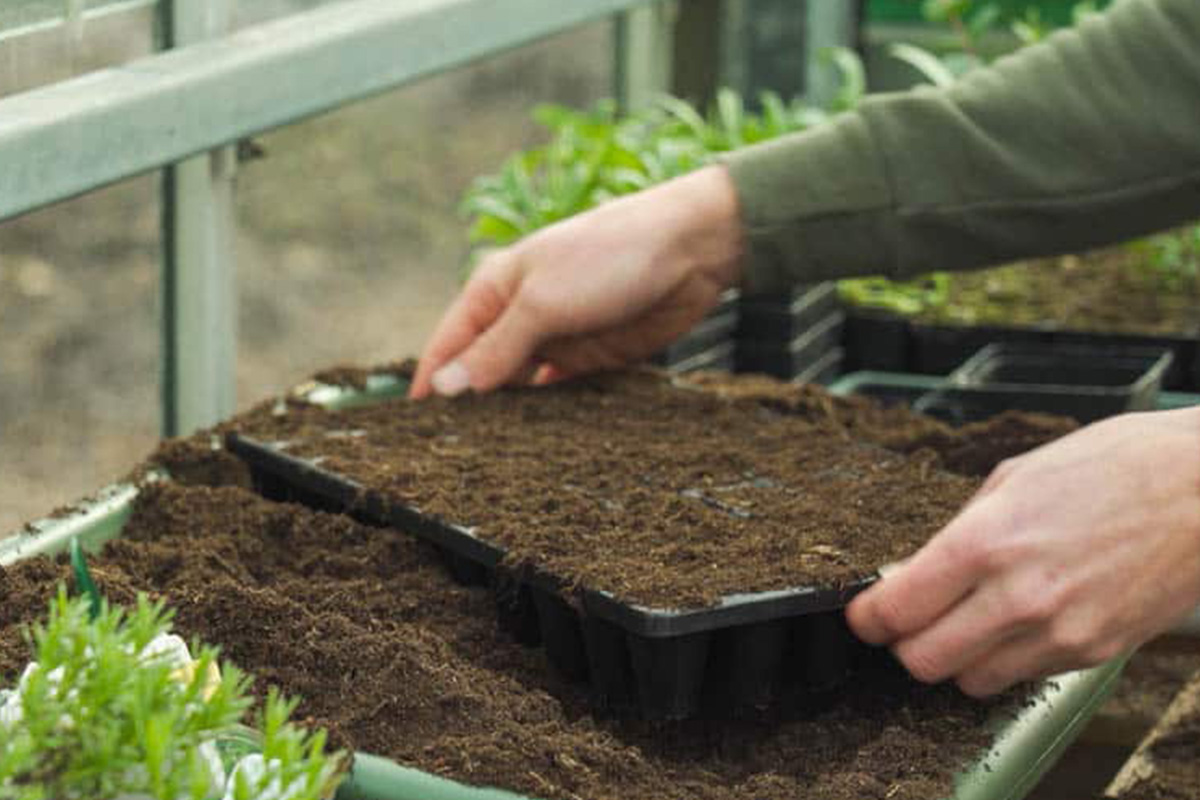
Efficient agricultural production does not begin in the field—it starts in the nursery stage. To support this, we also provide the seedling propagation tray, which is widely used in controlled seedling cultivation environments.These trays allow centralized planting management, improve germination consistency, and reduce seed waste while increasing transplant survival rates. When combined with mulch film applications in the field, growers can achieve a more seamless production chain from nursery to harvest.
By integrating mulch systems with structured seedling development tools like the seedling propagation tray, agricultural enterprises can significantly improve operational efficiency and reduce plant loss during transplantation. At HGDN, we focus on providing coordinated solutions that enhance the entire cultivation lifecycle rather than isolated product performance.
HGDN Commitment to Quality and Sustainable Agriculture
As a professional manufacturer in the agricultural plastics industry, we at HGDN are committed to delivering high-performance and environmentally responsible solutions. Our production facilities utilize advanced equipment including circular looms, warp knitting machines, Swiss-imported rapier looms, water looms, and extrusion systems to ensure consistent product quality.
All our products comply with international certification standards such as CE, REACH, and BSCI, ensuring safe and reliable application in global markets. In addition, we provide 24-hour online consultation, flexible customization options, and warranty periods ranging from 3 to 10 years depending on product specifications. Our delivery system is also optimized for global supply chains, with standard lead times of 15–20 days, enabling distributors and agricultural projects to maintain stable inventory flow.
Future Outlook for Agricultural Mulch Innovation
Looking ahead, the agricultural industry will continue prioritizing sustainability, efficiency, and automation. Biodegradable materials will become a baseline requirement rather than an optional upgrade. Within this landscape, compostable mulch film will play an increasingly important role in supporting soil health and reducing environmental burden. At the same time, procurement considerations such as mulch film price will remain central to large-scale adoption, especially in cost-sensitive agricultural regions. As production scales increase, pricing structures are expected to become more competitive, further accelerating market penetration.
We at HGDN remain committed to supporting this transformation by delivering reliable agricultural solutions and expanding our innovation in sustainable materials. Combined with advanced nursery tools like the seedling propagation tray, we aim to help global growers build more efficient, resilient, and environmentally responsible farming systems for the future.