Efficient irrigation planning is an important part of modern agricultural production, especially for growers who want to improve water management and crop consistency. For beginners, drip tape systems may seem complicated because they involve different terms related to spacing, length, flow rate, and field layout. Understanding these basic concepts can help growers make better decisions when combining irrigation systems with greenhouse and field cultivation materials. At HGDN, we provide agricultural solutions that support growers with practical materials and long-term cultivation planning.
Understanding the Role of Drip Tape in Modern Agriculture
Drip tape is designed to deliver water directly to crop root zones through evenly spaced emitters along the tape. Compared with traditional irrigation methods, drip systems can provide more controlled water distribution and help growers manage resources more efficiently.
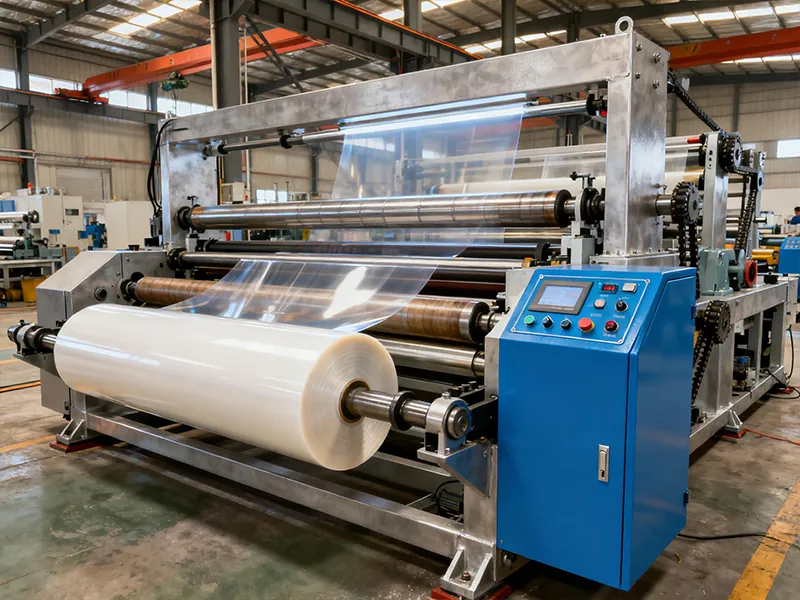
For many agricultural operations, drip tape works together with other cultivation materials, including agricultural film. Mulch films and greenhouse materials can influence soil moisture retention, temperature control, and overall growing conditions. When irrigation and covering systems are planned together, growers can create a more organized production environment.
At HGDN, we understand that successful cultivation depends on the combination of multiple factors. We focus on providing agricultural solutions that support different growing requirements, including durable films and related cultivation materials.
Drip Tape Spacing: Choosing the Right Distance Between Emitters
One of the first terms beginners should understand is emitter spacing. This refers to the distance between individual water outlets along the drip tape. Common spacing options vary depending on crop type, soil conditions, and irrigation requirements.
Crops with closely arranged root systems may require shorter emitter spacing to achieve more uniform moisture coverage. Larger plants with wider root zones may use longer spacing options. Growers should consider how water moves through their soil before selecting a suitable drip tape design.
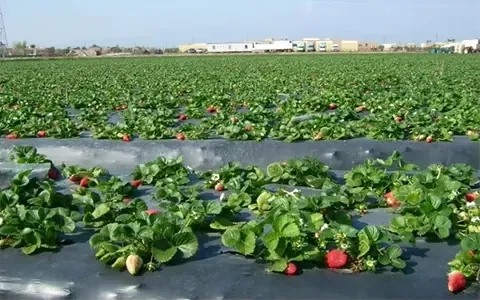
Emitter spacing should also match the planting pattern. When drip tape is installed under agricultural film, accurate alignment between emitters and plant locations can improve water delivery efficiency. Proper planning reduces water waste and supports more consistent crop growth.
Understanding Drip Tape Length and Flow Requirements
Drip tape length is another important design factor. The length of each irrigation line affects water pressure, flow consistency, and system performance. If a tape run is too long, pressure may decrease toward the end of the line, causing uneven water distribution.
Before installation, growers should evaluate field dimensions, water supply capacity, and system pressure. These factors help determine the appropriate drip tape length for each growing area.
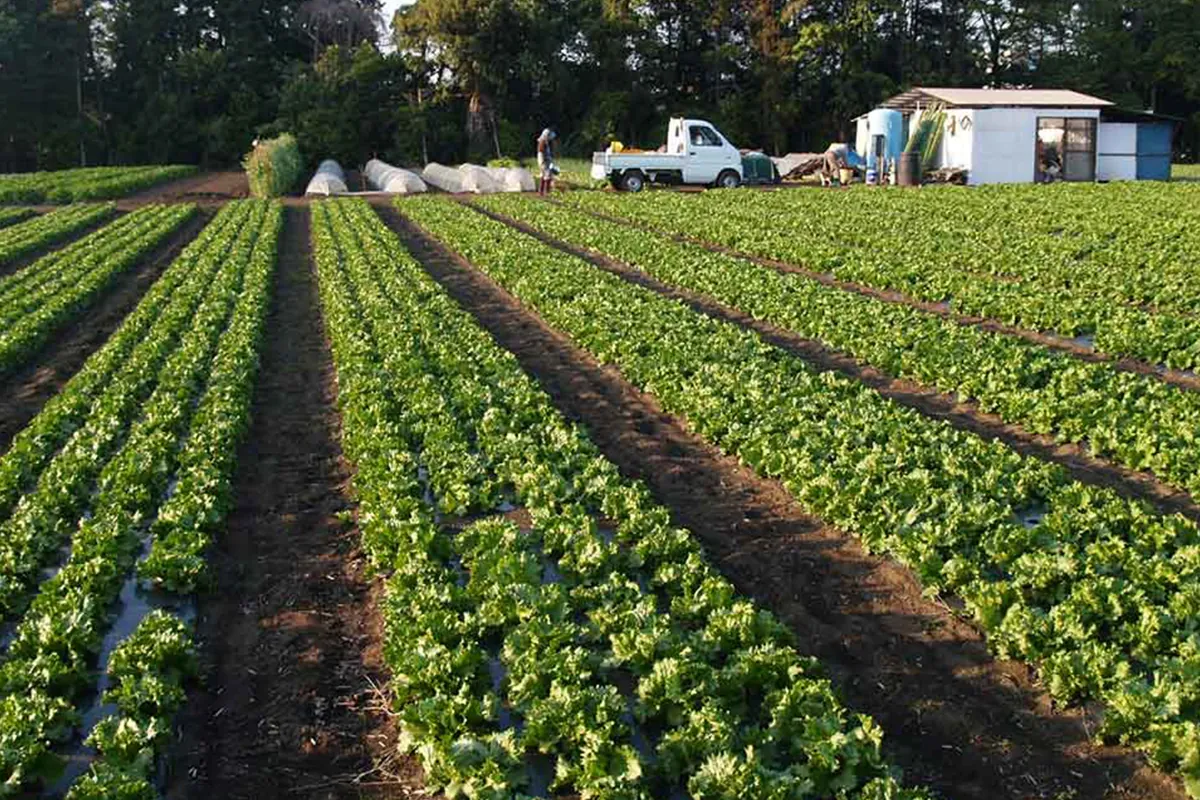
For greenhouse operations, irrigation layouts are often more controlled because growing beds have defined dimensions. In outdoor agriculture, terrain changes and field size may require more detailed planning. Combining irrigation design with suitable agricultural film can help growers manage different environmental conditions.
Drip Tape Layout Terms Beginners Should Know
A basic drip irrigation layout includes several common components and terms. The mainline supplies water from the source, while sub-main lines distribute water to individual drip tape sections. Valves, filters, and connectors help control and maintain the system.
Row spacing is another important term. It describes the distance between crop rows and influences how drip tape should be positioned. A well-planned layout ensures that water reaches the intended growing area without unnecessary overlap.
Growers should also consider future maintenance when designing a system. Easy access to irrigation lines makes inspections, repairs, and seasonal adjustments more convenient. A practical layout can save time throughout the growing cycle.
Combining Drip Irrigation with Protective Film Solutions
Drip tape systems are often used together with protective agricultural materials. Mulch film can help reduce evaporation, control weeds, and maintain more stable soil conditions. Greenhouse coverings can also influence the growing environment by protecting crops from external weather changes.
At HGDN, we recognize the importance of combining irrigation planning with reliable covering solutions. We support growers looking for materials that fit their production goals, including agricultural film options designed for different applications.
For greenhouse and protected cultivation projects, reinforced greenhouse film can provide additional durability for environments where stronger material performance is required. By considering both irrigation and covering systems together, growers can develop a more complete cultivation strategy.
Supporting Sustainable Agriculture Through Material Innovation
Sustainability is becoming an increasingly important focus for agricultural businesses. Efficient irrigation systems, responsible material selection, and improved cultivation methods all contribute to more sustainable production practices.
At HGDN, we envision a more sustainable future for the industry built on innovations like biodegradable agricultural film. We are committed to fostering long-term partnerships that help both our clients and the planet thrive. By combining practical irrigation knowledge with suitable agricultural materials, growers can continue improving resource management.
The development of sustainable solutions also requires cooperation between suppliers and agricultural businesses. Understanding how products work together allows growers to select materials that support both productivity and environmental goals.
Creating Better Irrigation Plans Through Basic Knowledge
For beginners, understanding drip tape spacing, length, and layout terms is the first step toward building an effective irrigation system. These basic concepts help growers organize field planning, improve water distribution, and create more consistent growing conditions.
At HGDN, we continue to provide agricultural solutions that support modern cultivation needs. From agricultural film to reinforced greenhouse film, we work with customers to develop practical approaches for different farming environments. With careful irrigation design and suitable materials, growers can build efficient systems that support long-term agricultural development.