As sustainable agriculture continues to evolve, farmers and agricultural distributors are increasingly evaluating how modern ground-cover solutions perform under real field conditions. At HGDN, we specialize in agricultural plastic and irrigation solutions designed for efficiency, durability, and environmental responsibility. In this article, we compare biodegradable mulching systems with traditional plastic film and explore how innovations such as compostable mulch film are reshaping farming practices globally.
Why compostable mulch film Is Becoming a Key Agricultural Shift
In recent years, compostable mulch film has gained attention as a promising alternative to conventional polyethylene films. Unlike traditional materials that require removal after harvest, compostable options are designed to break down naturally under soil and environmental conditions, reducing long-term plastic accumulation in farmland.
From our field experience at HGDN, farmers are primarily drawn to compostable solutions for three reasons: soil health preservation, reduced labor costs for film removal, and compliance with increasingly strict environmental regulations in Europe and North America (including CE and REACH-aligned standards). However, performance consistency remains a key concern. In colder regions or high-moisture environments, decomposition rates can vary significantly. This is where traditional mulch film still maintains a strong presence due to its proven stability and predictable lifespan across diverse climates.
Performance Comparison: Traditional Film vs Biodegradable Solutions
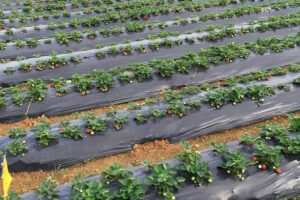
Traditional agricultural mulch film continues to dominate large-scale farming because of its reliable functions: heat preservation, soil moisture retention, weed suppression, and early crop maturation support. These characteristics are particularly important for high-yield crops where consistency is essential. Biodegradable alternatives, while environmentally attractive, often face challenges in mechanical strength and UV resistance during long growing cycles. In contrast, traditional film produced under strict quality control—such as the systems used by experienced mulching sheet manufacturers like HGDN—can maintain structural integrity throughout the full crop season.
At HGDN, we manufacture mulch film using advanced extrusion and precision processing equipment, ensuring consistent thickness, tensile strength, and field durability. Our production systems allow us to serve both conventional agriculture and emerging eco-friendly demand segments without compromising performance.
Integration with Modern Irrigation Systems and Farming Efficiency
Efficient water management is another critical factor in modern agriculture. While mulch film manages soil surface conditions, irrigation systems ensure root-zone hydration efficiency. This is where drip-tape irrigation supplies become essential in integrated farming systems. When combined with mulch film, drip irrigation significantly reduces water evaporation, improves nutrient delivery accuracy, and enhances crop uniformity.
At HGDN, we support agricultural clients by providing irrigation-related solutions alongside our core film products. This integrated approach allows farmers to optimize both soil coverage and water delivery systems for maximum productivity, especially in greenhouse and open-field cultivation.
Agricultural Applications and Real Field Outcomes
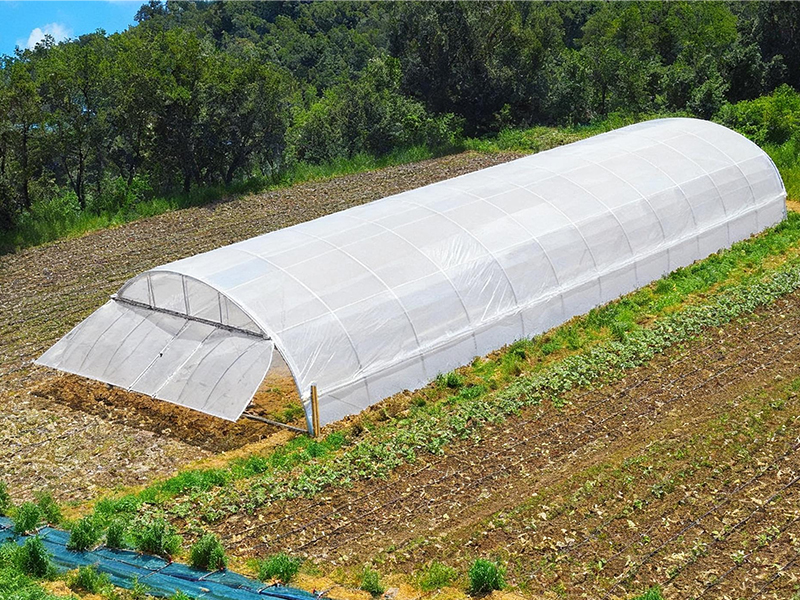
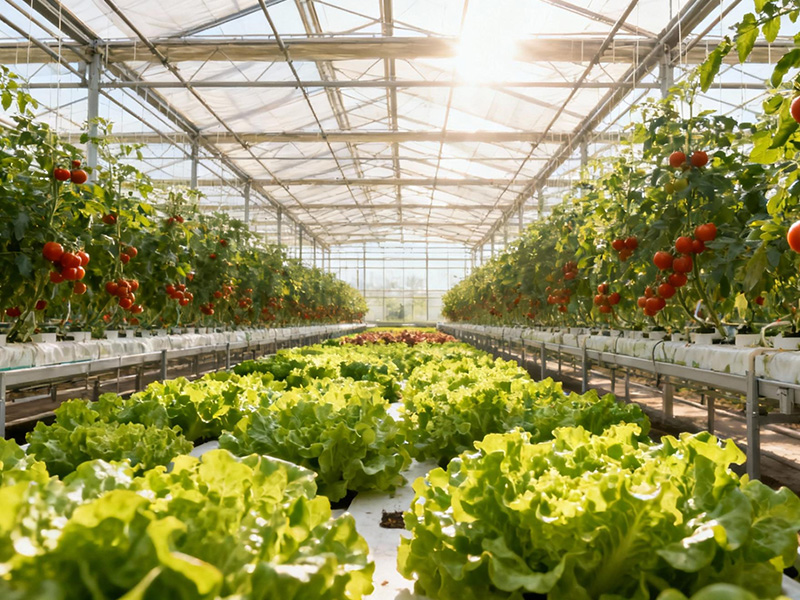
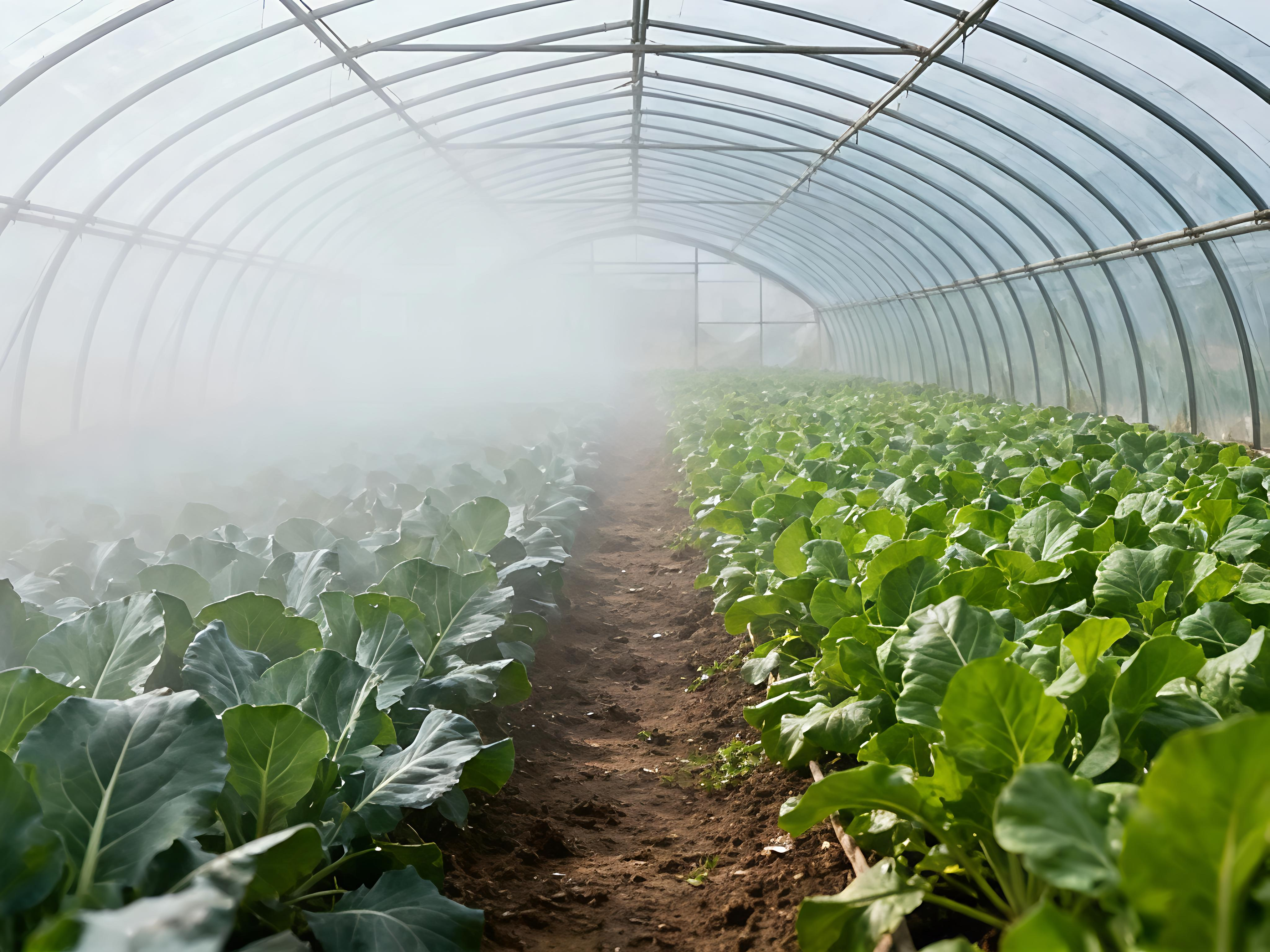
In greenhouse cultivation, traditional mulch film is widely used to stabilize soil temperature and reduce moisture fluctuation. Farmers report improved germination rates and more consistent crop development when proper film selection is applied. Biodegradable mulch systems are increasingly used in pilot programs and specialty crops, particularly where post-harvest cleanup costs are high. However, adoption speed varies depending on crop type, climate, and regulatory pressure.
As HGDN, we work closely with global agricultural partners to evaluate which solution best fits their operational needs. Our experience shows that many commercial farms adopt a hybrid approach—using conventional mulch film for staple crops and compostable alternatives for environmentally certified production zones, including compostable mulch film trials.
Manufacturing Strength and Quality Assurance Behind HGDN Products
As one of the established mulching sheet manufacturers, we focus heavily on production consistency and international compliance. Our manufacturing facilities are equipped with advanced circular looms, warp knitting machines, Swiss-imported rapier looms, water looms, and extrusion systems. These technologies allow us to maintain stable product performance across large-scale orders. All HGDN products are produced in compliance with international standards such as CE, REACH, and BSCI, ensuring that our materials meet both safety and environmental expectations in major global markets. We also provide flexible customization options, including thickness, width, UV resistance levels, and color variations, enabling distributors and agricultural projects to match local farming requirements precisely.
Market Demand and the Future of Sustainable Mulching Systems
The agricultural industry is clearly moving toward more sustainable practices, but practicality remains a decisive factor in product selection. While compostable materials represent the future direction, traditional films continue to dominate due to cost efficiency and reliability.
At HGDN, we believe the future lies in balanced innovation—combining proven agricultural engineering with environmentally responsible materials. Our R&D efforts continue to explore improved formulations that extend the usability of compostable solutions while maintaining field performance comparable to conventional products. At the same time, irrigation integration remains a major development direction. Farmers increasingly combine mulch systems with advanced irrigation networks such as drip-tape irrigation supplies, improving both water efficiency and crop yield stability under changing climate conditions.
Conclusion
The comparison between biodegradable mulch systems and traditional plastic films is not simply about replacement, but about application-specific optimization. Compostable solutions offer strong environmental advantages, while traditional films remain unmatched in durability and consistency for large-scale farming.
At HGDN, we support both pathways by delivering high-quality agricultural film and irrigation-related solutions tailored to global farming needs. With reliable manufacturing capabilities, strict international certifications, and responsive after-sales support, we continue to serve as a trusted partner for modern agriculture. Whether you are evaluating sustainable alternatives or optimizing large-scale production systems, HGDN remains committed to providing practical, high-performance agricultural solutions that meet today’s evolving market demands.