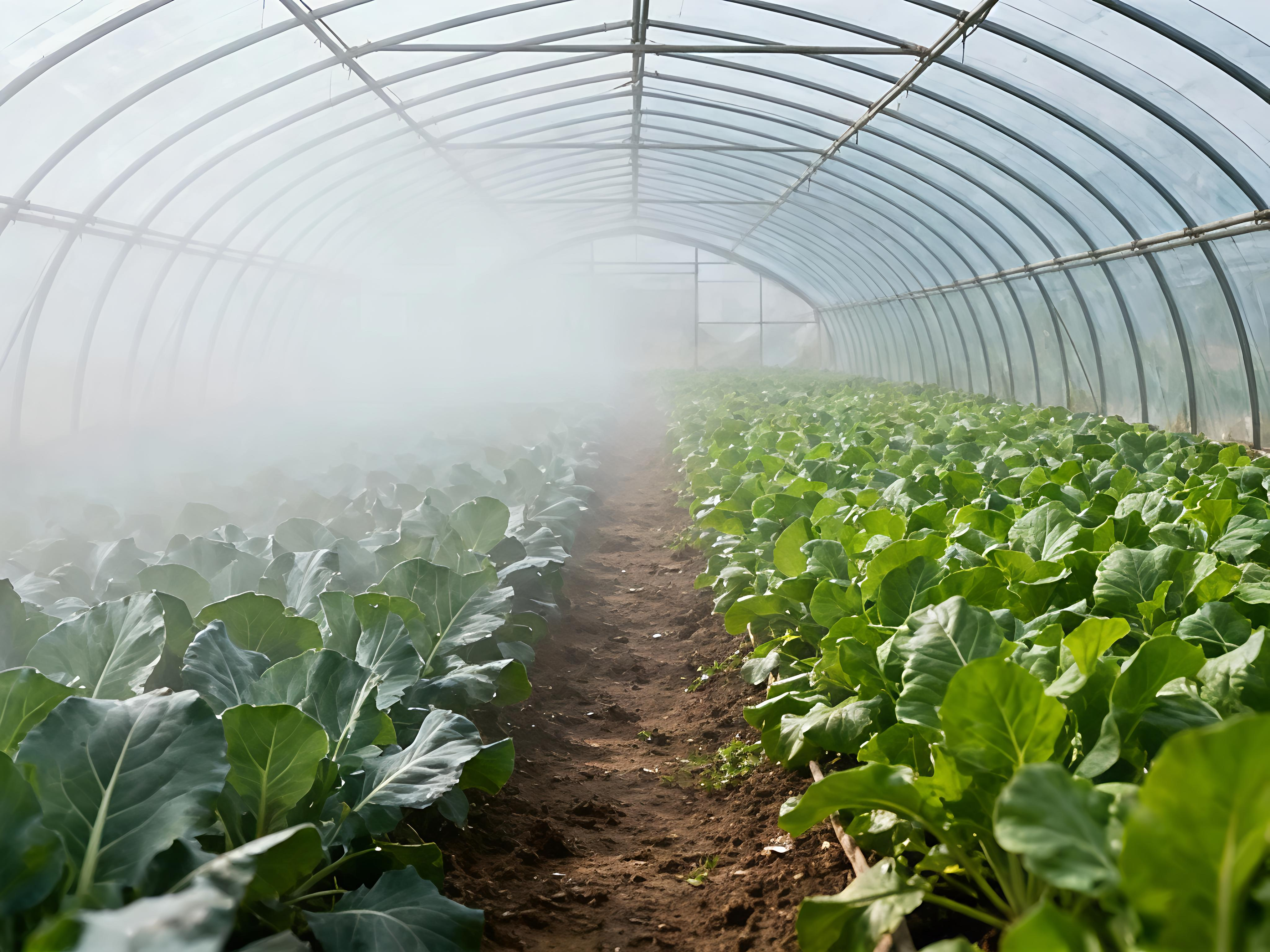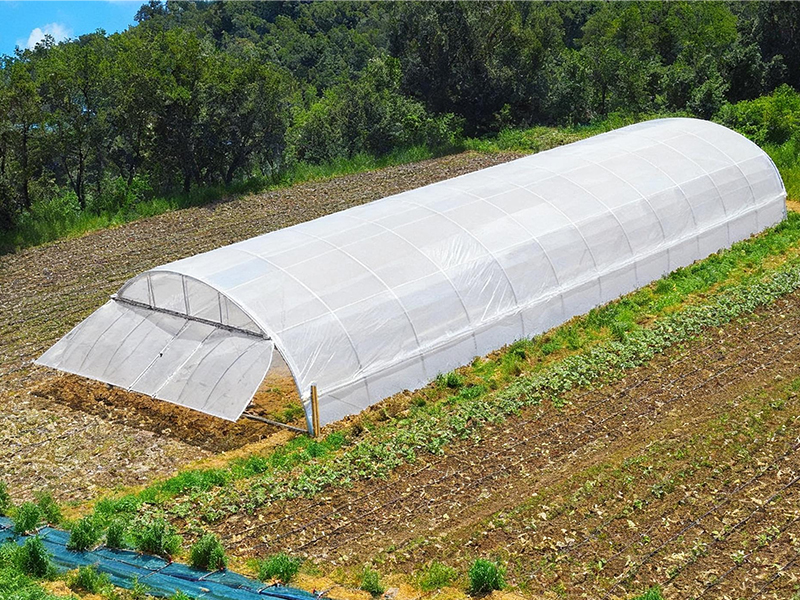
At HGDN, we understand that proper preparation is essential before laying any film in the field. As a plastic film manufacturer, we always recommend evaluating soil conditions, moisture levels, and crop type before starting the installation process. Preparing the land includes leveling the soil surface, removing debris, and ensuring proper irrigation planning. These steps directly affect how well agricultural mulch film performs in real conditions. Many mulch film manufacturers emphasize product quality, but correct application is just as important for achieving consistent results. By starting with a clean and even field, we can ensure that the film lays smoothly and functions as intended throughout the growing cycle.
Step-by-Step Mulch Film Laying Process
When we begin the actual laying process at HGDN, the first step is aligning the roll correctly with planting rows. As a plastic film manufacturer, we design our films for compatibility with both manual and machine laying methods. The film should be stretched evenly across the soil to avoid wrinkles or air pockets, which can reduce the effectiveness of agricultural mulch film. Soil edges are then used to secure both sides firmly, preventing displacement by wind. Compared to general practices shared by other mulch film manufacturers, we find that consistent tension during laying helps maintain durability and improves field performance. Proper hole punching for seedlings should follow, ensuring spacing matches the crop requirements without damaging the film structure.
Enhancing Efficiency with Supporting Solutions
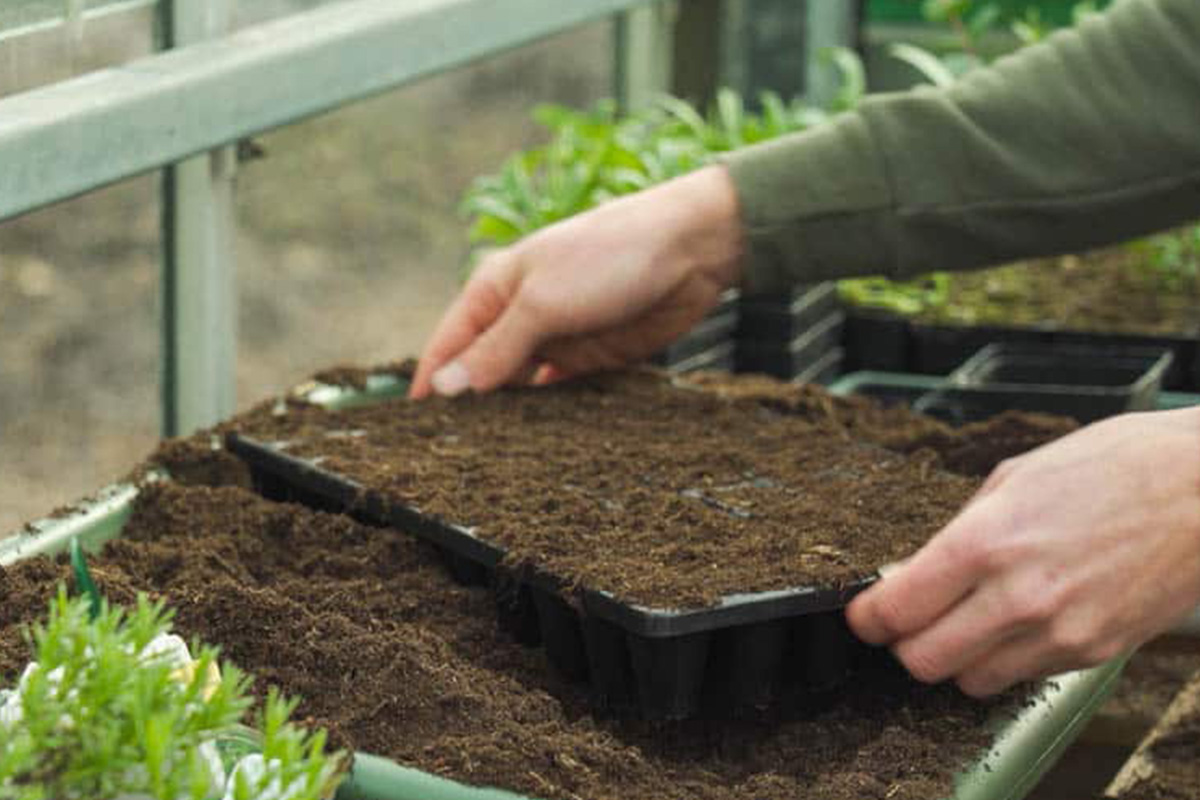
Beyond film application, we at HGDN focus on integrated planting efficiency. As a plastic film manufacturer, we provide complementary products such as seedling trays to support early-stage growth. Our trays are made from recyclable PET material, aligning with environmental requirements while maintaining strength and flexibility. These trays can bend without cracking, which helps reduce replacement frequency. In combination with agricultural mulch film, they contribute to a more controlled growing environment by supporting healthy root development and easy monitoring. While many mulch film manufacturers focus only on film production, we believe that combining film solutions with seedling management tools creates a more practical workflow for growers handling microgreens, herbs, or edible crops.
Conclusion: Achieving Consistent Results with Proper Application
At HGDN, we see mulch film application as a balance between product selection and correct field practices. As a plastic film manufacturer, we design solutions that adapt to real agricultural conditions, but proper laying techniques remain essential for maximizing the benefits of agricultural mulch film. By following a structured process—from soil preparation to installation and integration with tools like seedling trays—growers can achieve more stable and predictable outcomes. While different mulch film manufacturers may offer similar products, consistent application methods play a key role in long-term performance and efficiency.