In modern horticulture and commercial agriculture, choosing the right seedling management tools affects production efficiency, cost control, and plant survival rates. As a manufacturer focused on agricultural plastic solutions, HGDN works with growers and distributors to optimize early-stage cultivation systems through durable materials. This discussion explores differences between reusable and disposable seedling trays, helping growers make informed decisions based on long-term budget planning and operational efficiency.
At the foundation of many modern farming systems is the use of agricultural plastic sheeting, which plays a role in controlling soil temperature, reducing water evaporation, and improving germination conditions. When combined with seedling propagation systems, growers can improve consistency across planting cycles. This is important for commercial farms that rely on stable output and reduced seed wastage.
Cost Efficiency and Material Performance in Seedling Production
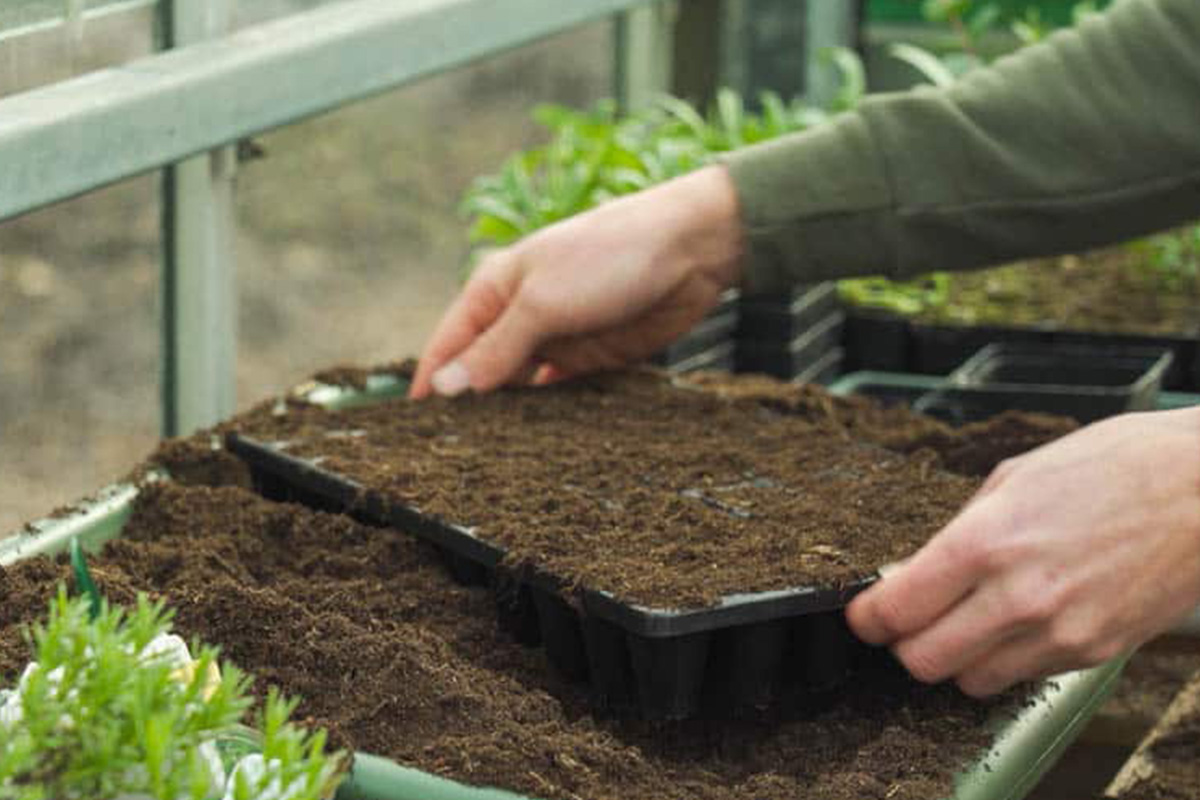
The choice between reusable and disposable seedling trays is not only about upfront cost but also long-term efficiency. Disposable trays are cheaper initially, making them attractive for short-term or small-scale operations. However, they often lack durability, leading to frequent replacement and higher cumulative costs over time.Reusable trays are designed for repeated use. While the initial investment is higher, they reduce per-cycle cost over time. For large-scale growers, this means better budget allocation and reduced procurement frequency. Within farming systems that also utilize agricultural plastic mulch, reusable trays provide better compatibility with standardized planting operations, improving workflow consistency and reducing material waste. From a practical standpoint, reusable trays contribute to environmental sustainability by reducing plastic waste, which is increasingly important in global agricultural supply chains.
How Agricultural Plastic Mulch Supports Seedling Development Efficiency
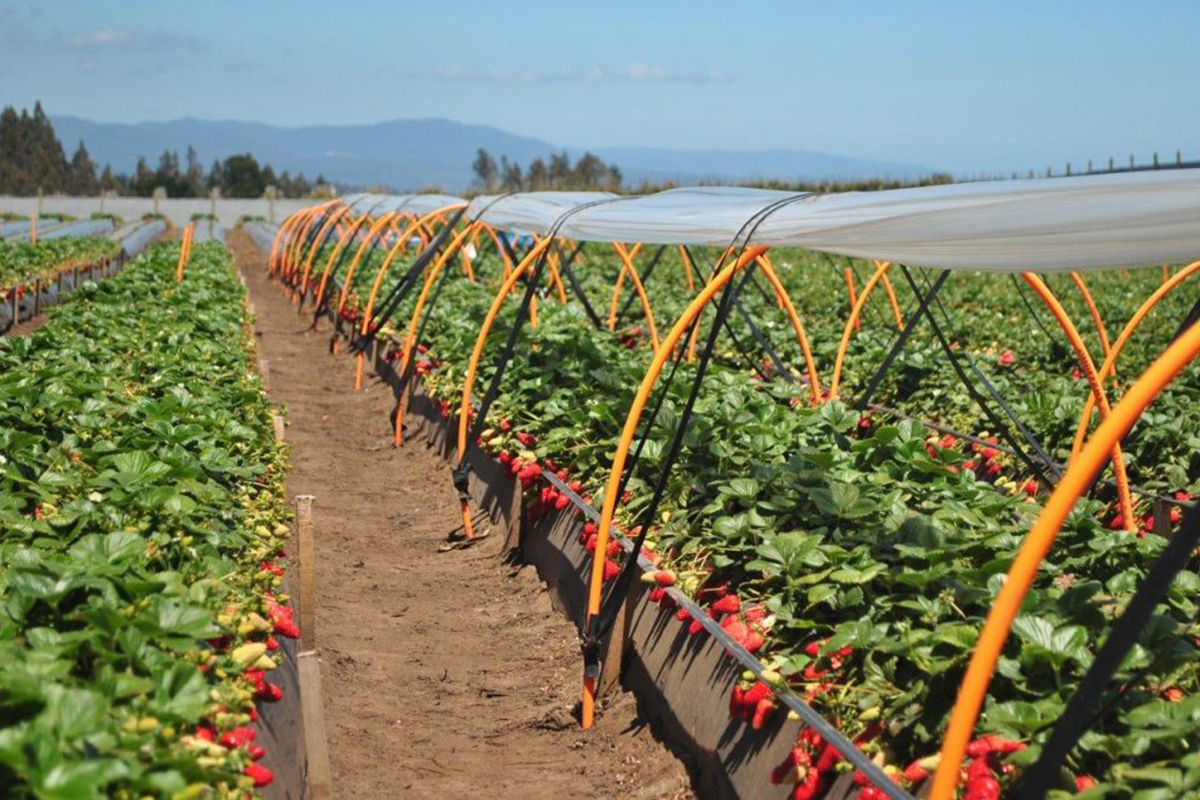
The integration of agricultural plastic mulch in planting environments enhances both reusable and disposable seedling systems. Mulching helps regulate soil moisture, suppress weeds, and maintain stable soil temperatures, creating better conditions for seedling transplantation. In systems using reusable trays, seedling growth becomes more consistent because the controlled environment created by mulching supports uniform root development. Disposable trays can still perform adequately but often lack structural stability for long nursery cycles in high-output operations.
At HGDN, growers increasingly prefer reusable seedling trays combined with mulch-based field preparation due to higher survival rates after transplantation and improved root integrity. This combination reduces losses and improves predictability across planting seasons.
Durability, Handling, and Labor Considerations
Another factor in choosing between reusable and disposable seedling trays is labor efficiency. Disposable trays eliminate cleaning and maintenance, which can benefit small-scale operations or limited labor conditions. However, in commercial environments, frequent repurchasing and handling of low-durability trays can increase logistical workload. Reusable trays require cleaning and storage but offer better structural stability during seedling growth. This reduces transplant shock and improves uniform plant development. For growers using HGDN systems, reusable solutions align better with standardized workflows.
In addition, when integrated with irrigation planning systems such as drip-tape irrigation system design, reusable trays provide a more stable seedling stage, ensuring consistent water delivery after transplantation. Proper irrigation design improves nutrient uptake and reduces water waste, which is important for precision agriculture.
The Role of Drip-Tape Irrigation System Design in Seedling Success
Effective drip-tape irrigation system design ensures seedlings transition smoothly from tray to field. A well-designed system delivers consistent moisture directly to the root zone, minimizing water loss and improving fertilizer efficiency. When reusable seedling trays are combined with engineered drip systems, growers achieve higher transplant success rates and more uniform crop development. Disposable trays may not always provide the same consistency, especially when irrigation conditions vary across large fields. At HGDN, we emphasize system-level thinking. Seedling trays, irrigation systems, and field preparation materials must work together. This integrated approach reduces operational risk and improves yield stability across cultivation cycles.
Long-Term Budget Perspective: Which Option Truly Saves More?
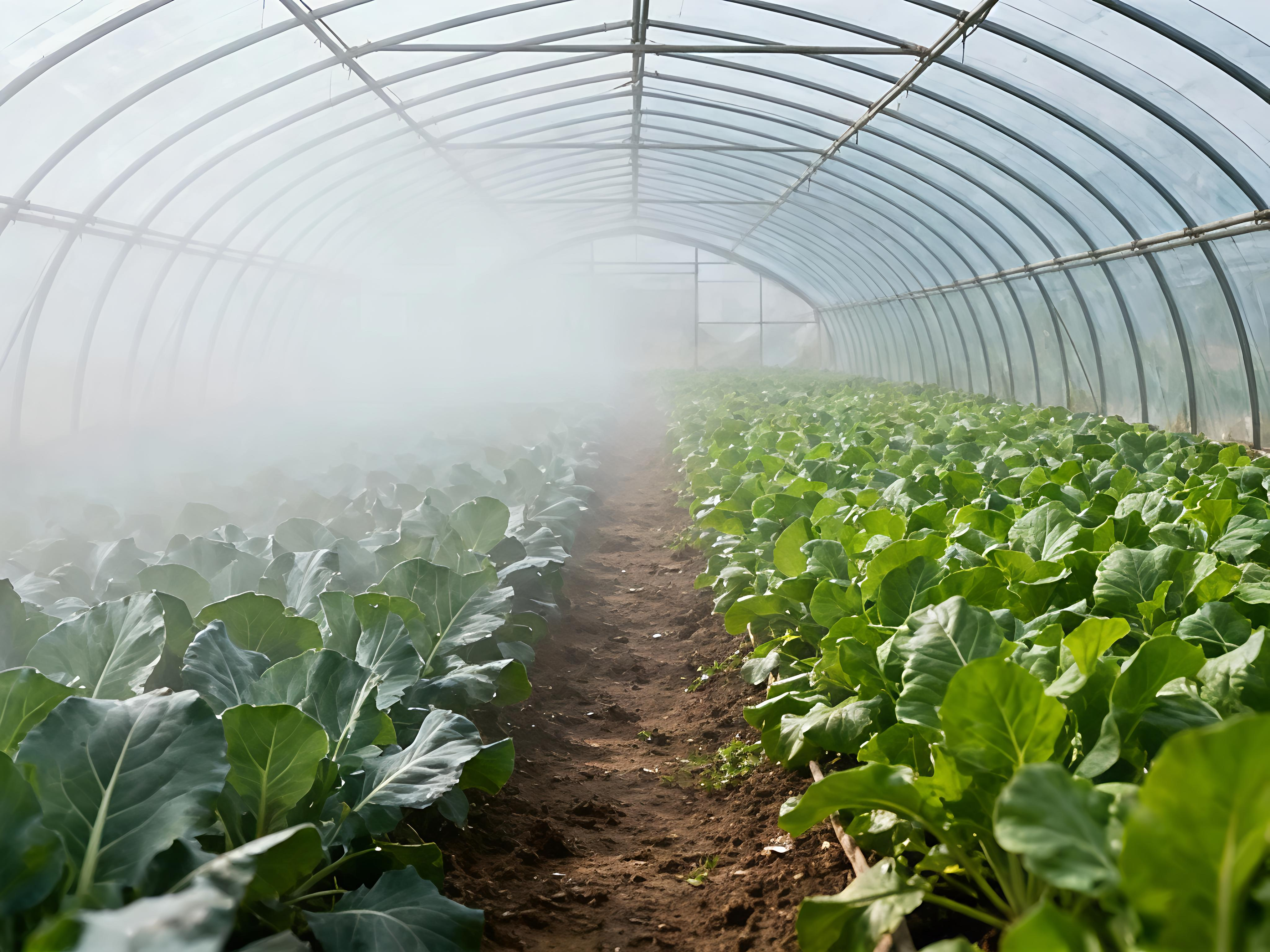
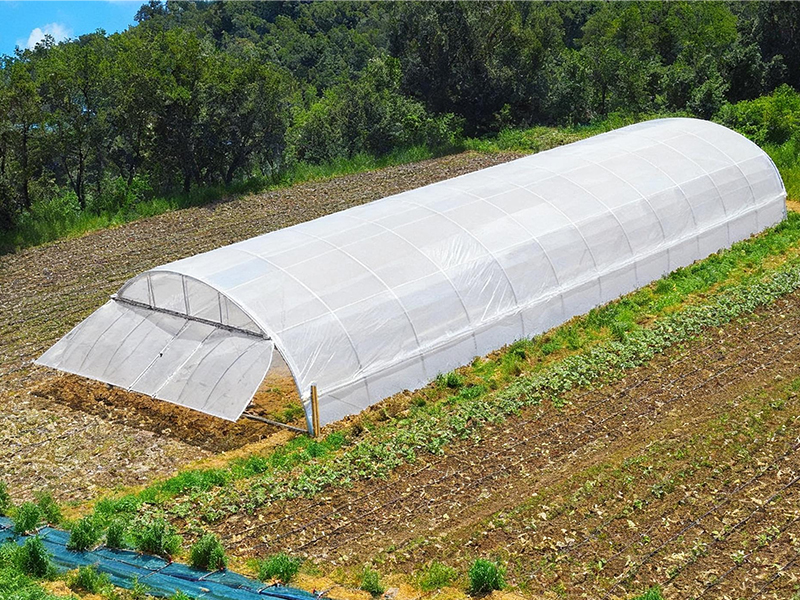
From a financial perspective, reusable seedling trays offer better long-term value for medium and large-scale agricultural operations. Although disposable trays are more cost-effective initially, repeated replacement leads to higher total expenses over time. Reusable systems also align with structured farming environments that rely on controlled inputs, including water management and soil preparation. When combined with agricultural plastic sheeting in greenhouse or nursery settings, growers can build efficient production systems that maximize space and reduce resource waste.
However, the final decision depends on operational scale, labor availability, and production goals. Small farms or experimental growers may still benefit from disposable trays due to simplicity, while commercial producers typically achieve better ROI with reusable systems.
Conclusion
Choosing between reusable and disposable seedling trays is a strategic decision affecting both short-term budgeting and long-term productivity. By considering durability, labor requirements, and system integration, growers can improve operational efficiency. At HGDN, we support modern agriculture with reliable materials and professional consultation. Whether optimizing nursery operations or upgrading irrigation infrastructure through drip-tape irrigation system design, our goal is to help build efficient cultivation systems. By combining structured seedling management with tools such as agricultural plastic mulch and agricultural plastic sheeting, growers can achieve higher survival rates, better resource utilization, and more predictable harvest outcomes across seasons.