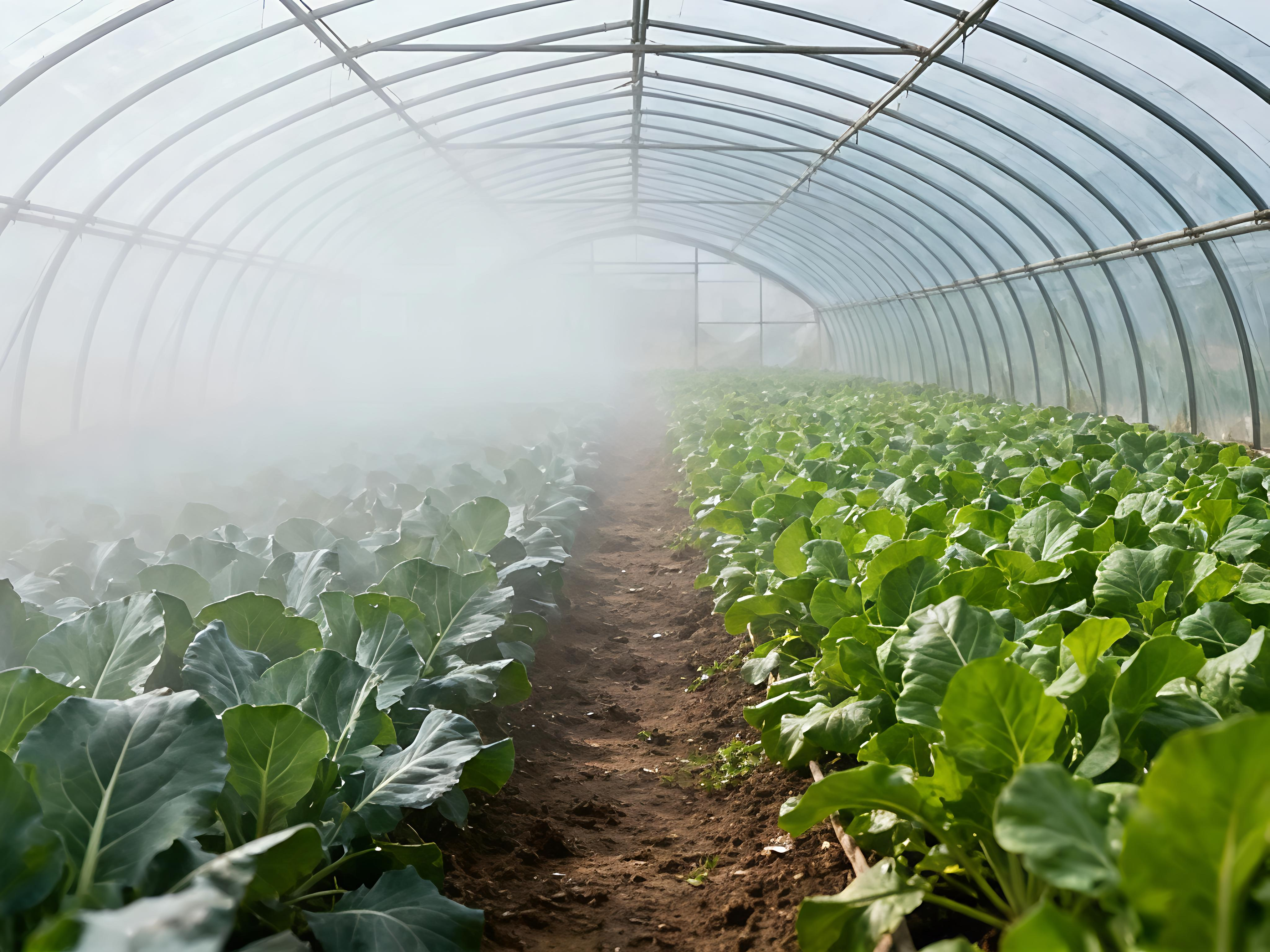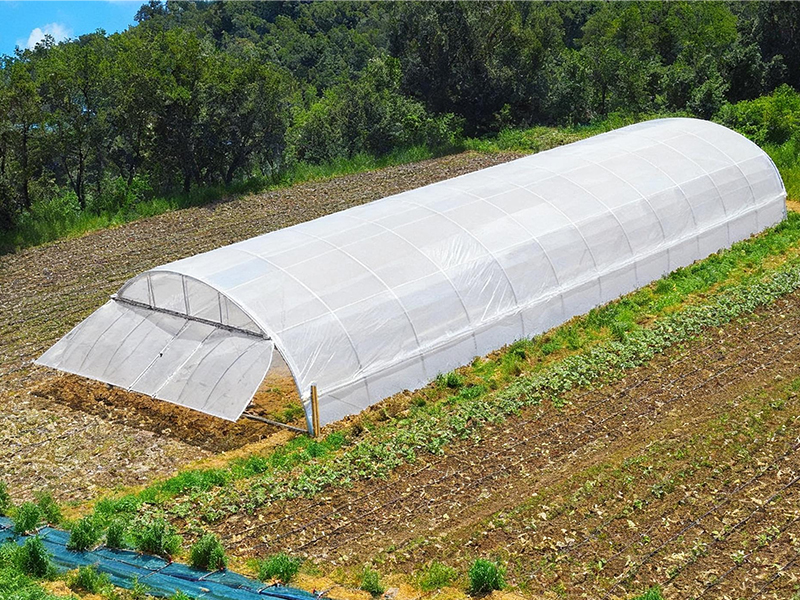
In modern agriculture, growers often compare agricultural mulch film with cover crops when planning soil management strategies. At HGDN, we regularly discuss this topic with customers who are choosing between physical ground cover and biological solutions. While both methods aim to improve soil health and crop performance, their applications, costs, and outcomes can differ depending on climate, crop type, and farm scale.
Understanding Mulch Film and Cover Crops
Mulch film is a controlled, engineered material produced by a plastic film manufacturer to create a protective layer over soil. In contrast, cover crops are planted vegetation used to improve soil fertility and structure over time. From our experience, mulch film provides immediate results by suppressing weeds and regulating soil temperature, while cover crops require a longer growth cycle before benefits appear. This makes mulch film a more predictable option for growers who need consistent short-term performance during a single planting season.
Performance Comparison in Field Conditions
When comparing performance, mulch film manufacturers often highlight the ability of film to deliver uniform results across different environments. Our mulch film is made from 100% virgin LDPE/LLDPE with UV stabilizer, with thickness ranging from 15 to 250 microns depending on application needs. The silver side helps reflect aphids, while the black side suppresses weed growth, offering a practical solution for pest and weed control. Its lifespan typically ranges from 6 to 24 months depending on climate and UV exposure. While cover crops can improve soil organic matter over time, they may compete with main crops for water and nutrients if not properly managed, which can affect yield in certain conditions.
Practical Considerations for Growers
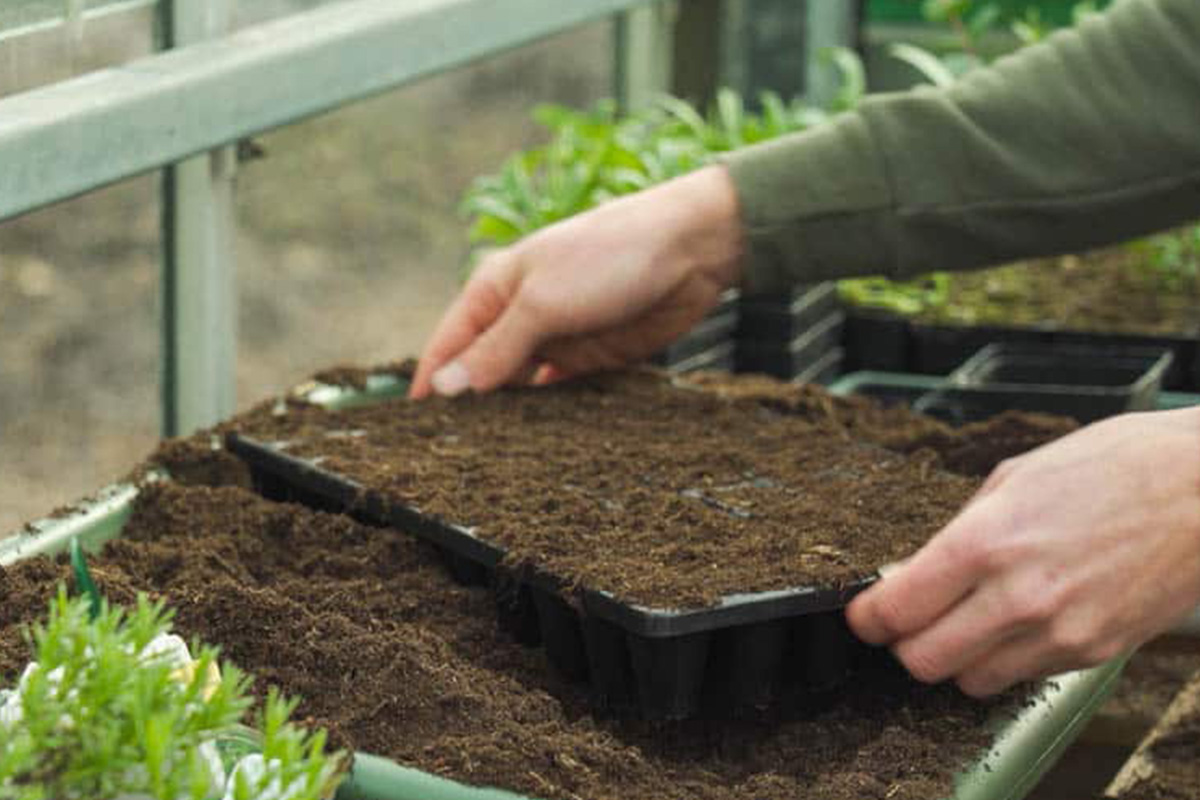
From a practical perspective, both solutions involve different operational approaches. Cover crops require seeding, irrigation, and eventual removal or incorporation into the soil. In contrast, agricultural mulch film can be installed quickly and customized through OEM/ODM options such as width, length, and perforation. As a manufacturing-focused company, we ensure stable supply through advanced production equipment and maintain consistent quality aligned with CE, REACH, and BSCI standards. Our typical delivery time of 15–20 days also helps growers plan seasonal operations more efficiently. For projects that require immediate weed control and moisture retention, mulch film often becomes a more direct and manageable choice.
Conclusion: Choosing the Right Approach
In conclusion, the comparison between mulch film and cover crops depends on specific agricultural goals. Cover crops are suitable for long-term soil improvement, while mulch film offers immediate, controlled performance for crop protection and yield stability. At HGDN, we support growers by providing reliable material solutions and flexible customization options, helping them select the right balance between efficiency and sustainability. Understanding the differences allows farmers to make informed decisions based on their operational priorities and environmental conditions.