Proper storage and management are essential to extend the lifespan of greenhouse covering materials. At HGDN, we understand that materials like greenhouse sheeting, plastic greenhouse film, and agricultural mulch film are long-term investments for growers. When handled correctly, these materials can maintain performance over multiple growing seasons. In our daily operations, we not only supply films but also share practical guidance to help users reduce waste and preserve film quality from delivery to installation.
Storage Conditions for Greenhouse Films
We recommend storing greenhouse sheeting and plastic greenhouse film in a clean, dry, and shaded environment before use. Direct sunlight exposure during storage can accelerate material aging, even before installation. In our experience, keeping rolls in original packaging and placing them on pallets prevents ground moisture damage. Our company provides packaging designed for transport stability, and our 15–20 day delivery cycle ensures materials arrive in suitable condition. When handling agricultural mulch film, avoiding sharp edges and excessive stacking pressure is equally important to prevent micro-tears that may expand during field use.
Handling and Installation Best Practices
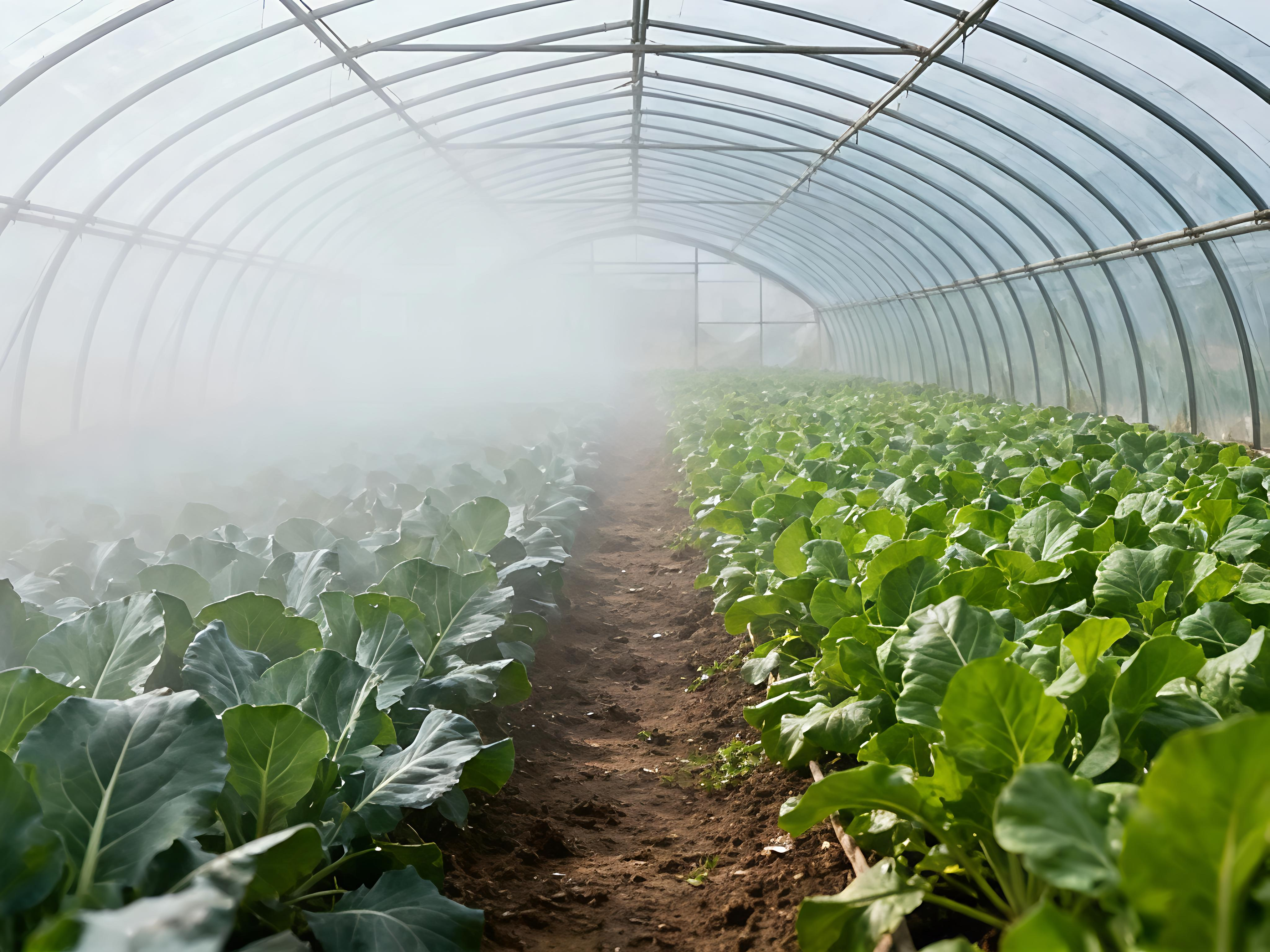
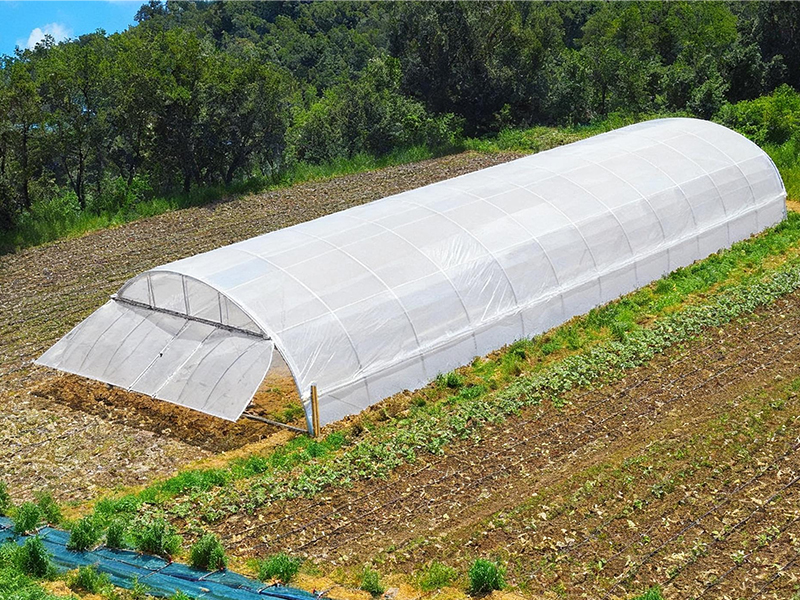
Correct handling during installation directly impacts how long plastic greenhouse film performs in real conditions. We advise installing films during mild weather to avoid excessive stretching caused by heat. Our 130 Micron Clear Greenhouse Plastic Film is engineered with enhanced UV stabilizers, supporting a service life of around 3–5 years in high-radiation environments. In addition, its anti-drip and anti-fog coating helps reduce condensation-related crop issues while improving light conditions. When applying greenhouse sheeting, consistent tension and secure fastening reduce the risk of wind damage. For agricultural mulch film, proper soil preparation and even laying can minimize punctures and improve durability.
Maintenance and Lifecycle Management
Routine inspection is key to extending the usability of agricultural mulch film and other coverings. We encourage checking for small damages and repairing them early to prevent further tearing. Our films are designed with strong tensile strength and puncture resistance, allowing them to withstand wind, hail, and snow loads under normal conditions. At HGDN, we also support customers with long-term service, offering 3–10 years of warranty depending on product type, as well as responsive after-sales assistance. Maintaining cleanliness on greenhouse sheeting surfaces can also improve light transmission, supporting plant growth efficiency over time.
Conclusion: Maximizing Film Longevity Through Proper Management
Effective storage, careful handling, and consistent maintenance all contribute to extending the life of plastic greenhouse film and related materials. By applying these practices, growers can make better use of agricultural mulch film and reduce replacement frequency. At HGDN, we combine manufacturing experience with practical support to help customers manage their materials more efficiently. With reliable product design and thoughtful usage methods, greenhouse films can continue to perform well across multiple seasons.