Proper handling is essential when working with agricultural film, especially for growers who want consistent performance across seasons. As HGDN, we understand that many users focus on installation but overlook storage and management, which can directly affect durability. Whether you source from a plastic film manufacturer or work with experienced mulch film manufacturers, correct storage practices can help maintain film strength, clarity, and functionality over time.
Proper Storage Conditions for Agricultural Films
When storing agricultural film, we recommend keeping materials in a clean, dry, and shaded environment. Exposure to direct sunlight before installation can accelerate aging, even for films with UV protection. At HGDN, we advise placing rolls on pallets rather than directly on the ground to avoid moisture absorption and contamination. This applies to products from any plastic film manufacturer, as improper stacking may cause deformation or pressure damage. In addition, maintaining moderate temperatures helps preserve flexibility, especially for films used in colder climates. Many mulch film manufacturers also suggest covering stored rolls with protective wrapping to prevent dust accumulation and physical wear.
Handling Practices to Extend Film Lifespan
Careful handling during transportation and installation is equally important for extending the life of agricultural film. We recommend avoiding sharp tools or dragging rolls across rough surfaces, as this can compromise structural integrity. At HGDN, our production process focuses on mechanical strength, but even high-quality materials from a reliable plastic film manufacturer require proper care in the field. During installation, ensuring even tension and correct alignment reduces stress points that may lead to tearing. Guidance from experienced mulch film manufacturers often highlights the importance of trained workers and suitable equipment, as improper handling is a common cause of premature film failure.
Product Features That Support Durability
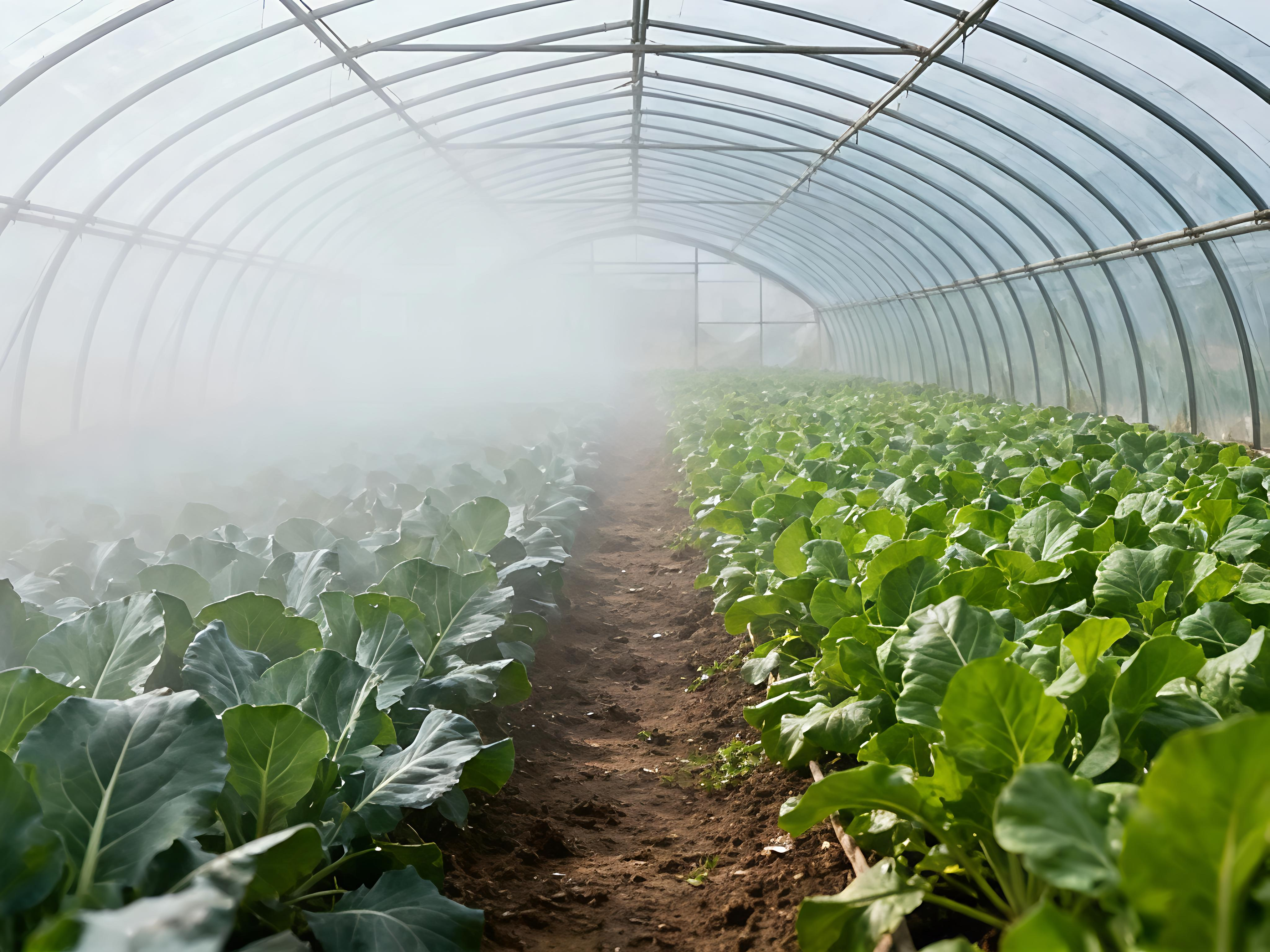
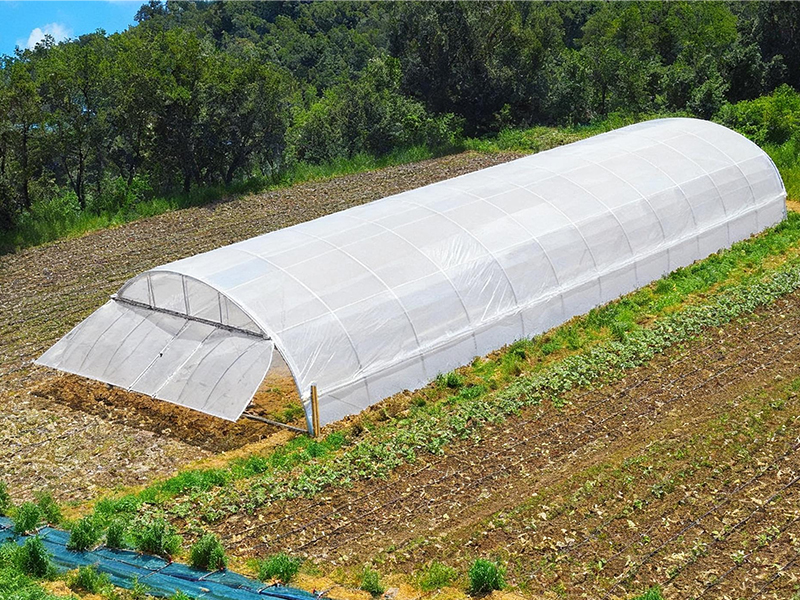
Beyond storage and handling, product design plays a role in longevity. Our Clear Plastic Greenhouse Film is developed with enhanced UV stabilizers, allowing a service life of approximately 3–5 years under strong sunlight conditions. As HGDN, we also integrate anti-drip and anti-fog coatings to reduce moisture accumulation on crops, which can contribute to healthier growing environments. This type of agricultural film supports over 90% light transmission, helping maintain consistent photosynthesis. While these features are valued across the industry, selecting a trusted plastic film manufacturer ensures stable quality. Many mulch film manufacturers also focus on tensile strength and puncture resistance, which are essential for withstanding environmental stress such as wind or hail.
Conclusion
Managing and storing agricultural film properly is a practical way to extend its usability and maintain performance in real farming conditions. From controlled storage environments to careful handling, each step contributes to preserving film quality. At HGDN, we emphasize both product design and user practices to support long-term results. Working with a dependable plastic film manufacturer and understanding recommendations from established mulch film manufacturers can help growers reduce material waste and improve operational efficiency over time.