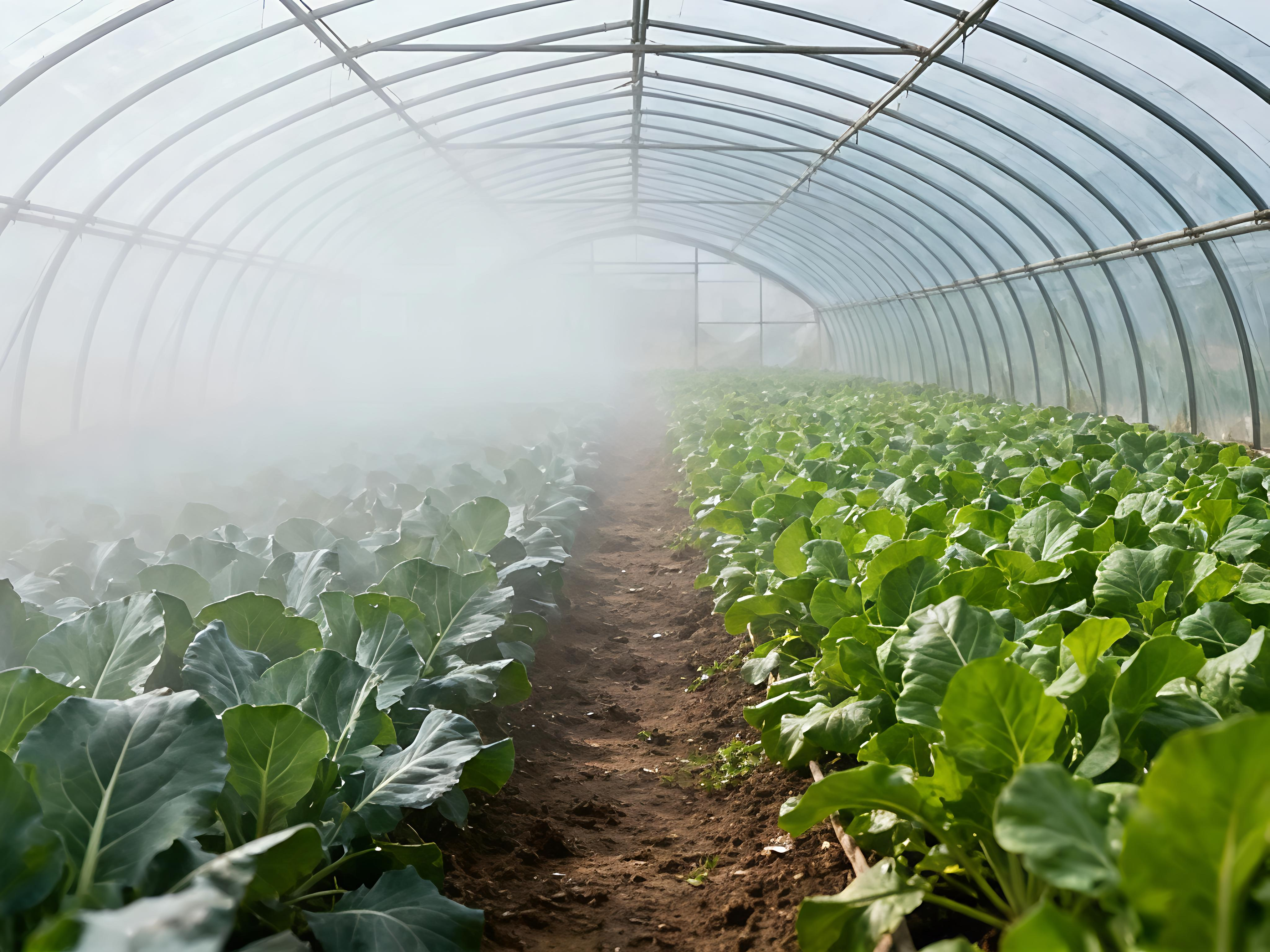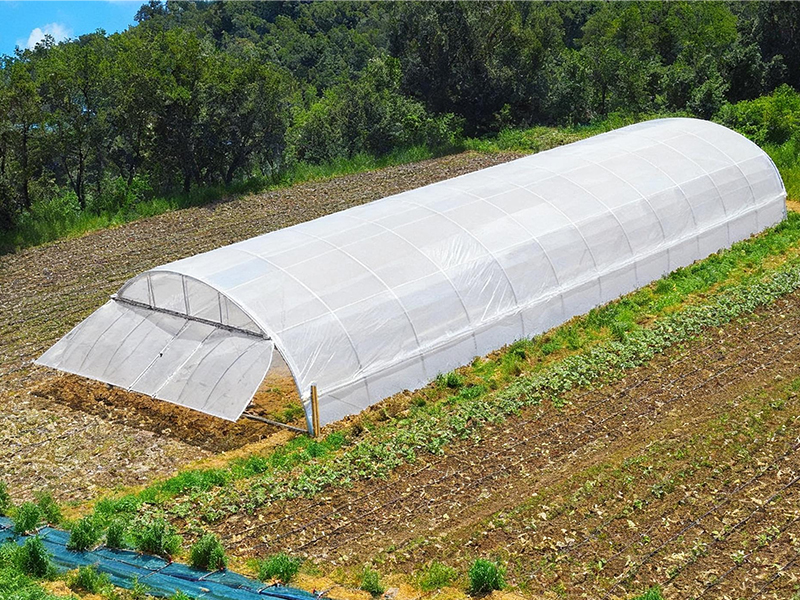
Managing agricultural films properly is crucial for maintaining their performance over multiple growing seasons. At HGDN, we have developed practical strategies that help farmers preserve their greenhouse investments. As a dedicated greenhouse film supplier, we understand the importance of combining high-quality materials with effective storage practices to ensure long-lasting results.
Understanding the Properties of Greenhouse Films
Before storage, it is essential to recognize the characteristics of your greenhouse films. Our greenhouse sheet products, such as the 130 Micron Clear Greenhouse Plastic Film, are engineered for durability and optimal light transmission. Made from 100% virgin LDPE/LLDPE with advanced UV stabilizers, these films resist tearing and degradation when exposed to sunlight. Knowing these properties helps us and our customers make informed decisions about handling and storing films, reducing the risk of premature damage or discoloration.
Cleaning and Preparation for Storage
Proper cleaning and preparation are key steps in extending the lifespan of clear films. We recommend gently washing the clear greenhouse plastic sheeting to remove dirt, dust, and plant residues, which can otherwise compromise the material’s integrity. Once cleaned, the films should be completely dried before rolling or folding. At HGDN, we provide guidance on folding techniques that minimize creases and prevent stress points, ensuring that the greenhouse sheet maintains its flexibility and transparency for future use.
Optimal Storage Conditions
Storage conditions play a significant role in film longevity. We advise keeping the 130 Micron Clear Greenhouse Plastic Film in a cool, shaded, and well-ventilated environment to avoid excessive heat and UV exposure. Ideally, films should be stored off the ground on pallets or racks to protect them from moisture and pests. As a committed greenhouse film supplier, we emphasize the importance of avoiding sharp objects and high-pressure stacking during storage, as these can lead to punctures or deformation. Our commercial-grade films are designed to withstand multiple seasons, but careful storage maximizes their performance and return on investment.
Conclusion: Maximizing Film Lifespan
In conclusion, the longevity of agricultural films depends on a combination of high-quality materials and thoughtful management practices. At HGDN, we integrate these principles with our greenhouse sheet offerings, including the Commercial Grade 130 Micron Clear Greenhouse Plastic Film, to provide solutions that endure. By understanding material properties, preparing films properly, and ensuring optimal storage conditions, farmers can preserve the clarity, flexibility, and strength of their clear greenhouse plastic sheeting. These measures not only enhance crop growth but also contribute to sustainable agricultural operations.