When growers evaluate insulation performance, choosing between greenhouse film and polycarbonate often depends on climate, crop type, and cost considerations. As HGDN, we understand how important it is to select the right greenhouse sheet for long-term agricultural efficiency. In this comparison, we look at how greenhouse film performs against polycarbonate panels, especially from the perspective of a reliable greenhouse film supplier, while also considering the role of clear greenhouse plastic sheeting in modern cultivation.
Insulation Performance and Thermal Efficiency
Insulation is one of the most discussed factors when comparing materials. Polycarbonate panels are known for their rigid structure and multi-wall design, which can help retain heat effectively. However, a well-designed greenhouse sheet made from advanced film technology can also provide stable thermal conditions when installed correctly. As a greenhouse film supplier, we focus on multi-layer film structures that reduce heat loss during colder periods while maintaining flexibility for seasonal adjustments.
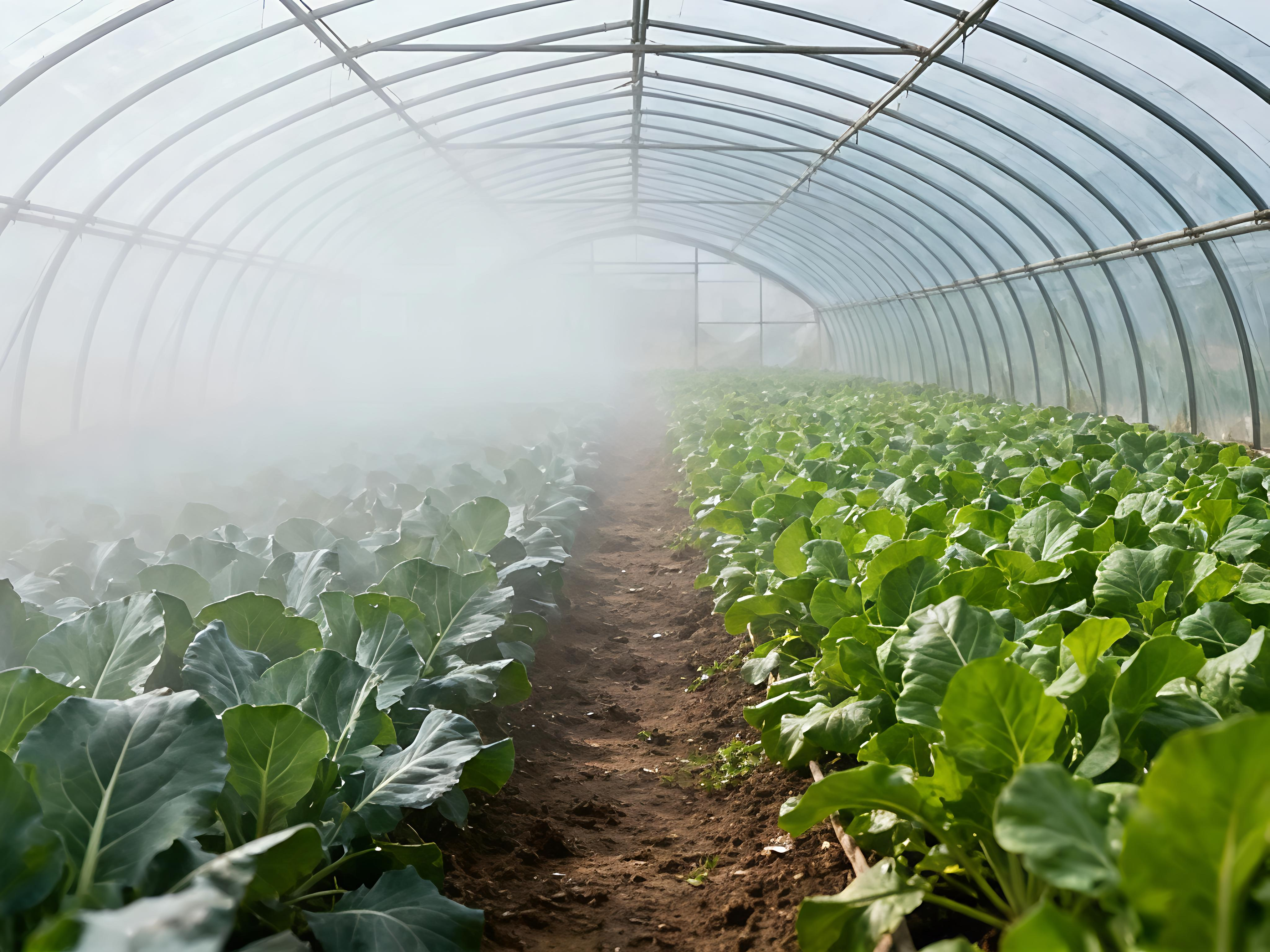
In practical use, clear greenhouse plastic sheeting offers a balance between insulation and light diffusion. While it may not match the thickness of polycarbonate, it supports consistent internal temperatures when paired with proper ventilation systems. This makes greenhouse film a practical option for growers seeking adaptable insulation solutions.
Light Transmission and Crop Growth Impact
Light is essential for plant development, and this is where greenhouse film demonstrates distinct advantages. Our HGDN solutions include clear greenhouse plastic sheeting with over 90% light transmission, allowing crops to receive sufficient sunlight for photosynthesis. Compared to polycarbonate, which can sometimes diffuse light unevenly, greenhouse film provides a more uniform light distribution.
As a dedicated greenhouse film supplier, we also incorporate UV-resistant stabilizers into every greenhouse sheet, ensuring durability for 3–5 years even in regions with high solar exposure. In addition, anti-drip and anti-fog coatings help reduce condensation, which supports healthier plant environments. These features make greenhouse film suitable for growers aiming to maintain both insulation and crop quality.
Flexibility, Installation, and Cost Considerations
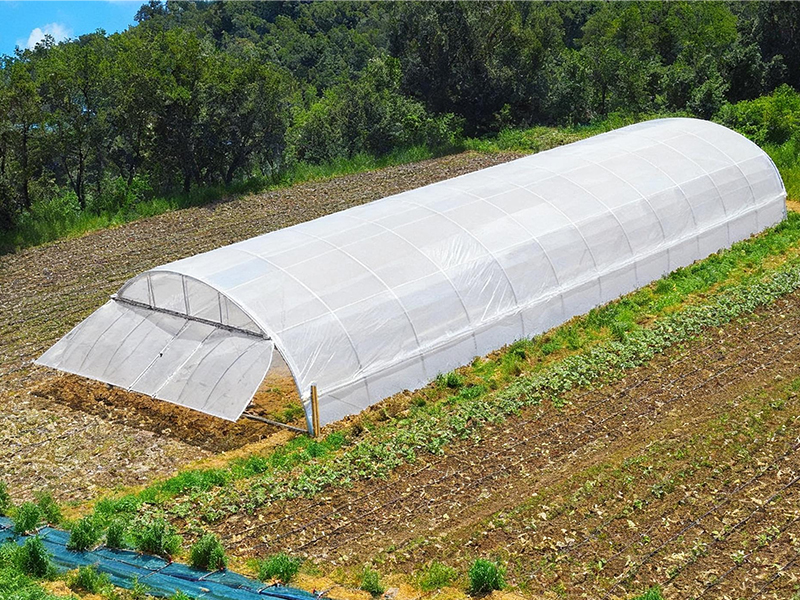
From an operational standpoint, flexibility and installation play a significant role. Polycarbonate panels require rigid framing and higher initial investment, while clear greenhouse plastic sheeting is easier to install and replace. As HGDN, we provide greenhouse film options that can be adapted to different greenhouse structures, offering a practical alternative for various project scales.
Working as a greenhouse film supplier, we also consider production and delivery efficiency. With advanced equipment and a delivery cycle of 15–20 days, we ensure that each greenhouse sheet meets international standards such as CE, REACH, and BSCI. This allows growers to plan installations without unnecessary delays while maintaining consistent material quality.
Conclusion: Choosing the Right Material for Insulation Needs
In conclusion, both greenhouse film and polycarbonate have their place in agricultural applications, but the choice depends on specific operational priorities. As HGDN, we see greenhouse film as a flexible and efficient solution that balances insulation, light transmission, and ease of use. For growers seeking adaptable materials, working with a reliable greenhouse film supplier can provide access to durable clear greenhouse plastic sheeting and versatile greenhouse sheet options that support stable growing environments.