Selecting the right seedling trays is essential for successful vegetable production. At HGDN, we understand that every step in greenhouse cultivation influences plant growth and overall yield. One of the key factors to consider is the cell size of the trays, as it directly affects root development, nutrient absorption, and transplant success. Our company provides a range of seedling trays designed to support efficient and sustainable vegetable production. By considering tray cell size carefully, growers can optimize space, improve plant health, and enhance operational efficiency.
Understanding Cell Size and Root Development
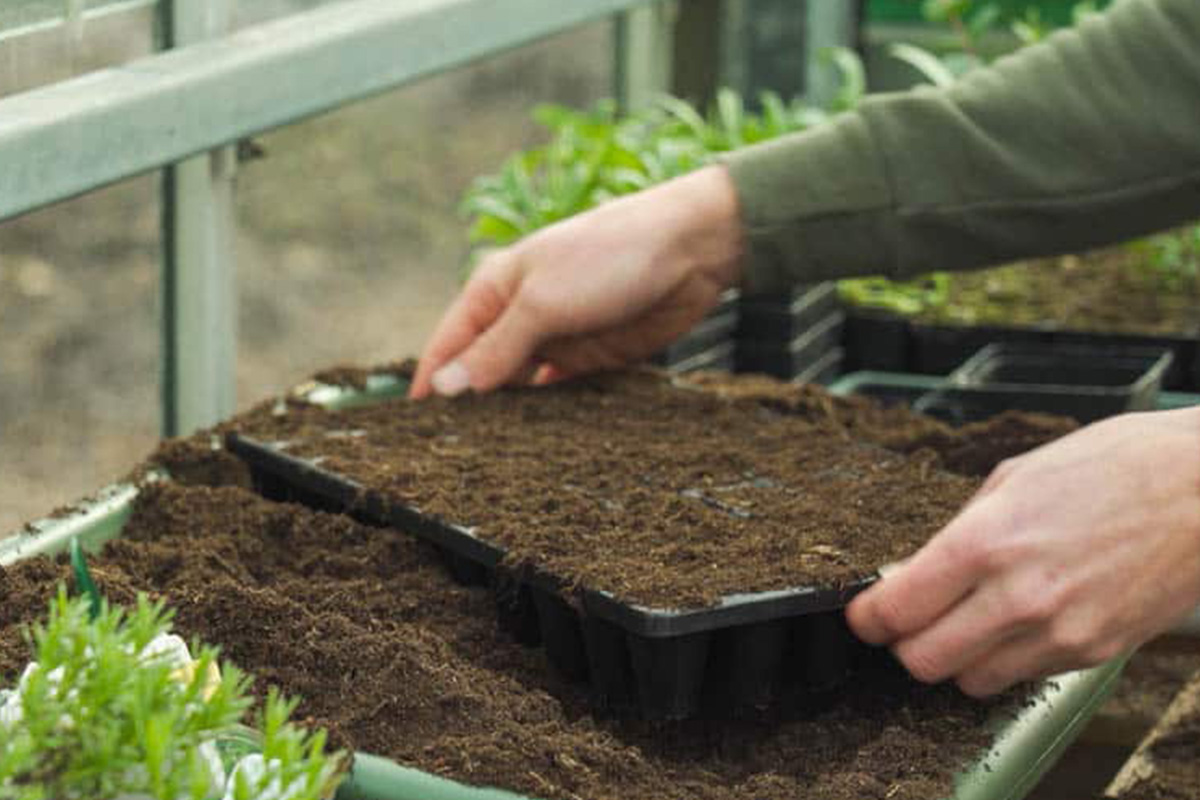
The size of each cell in a seedling tray plays a critical role in shaping the root system of young plants. In large scale greenhouse farming, smaller cells may be suitable for fast-growing crops or limited space, while larger cells allow more extensive root development for vegetables that require longer growing periods. We often recommend evaluating the specific crop requirements and expected transplant time before selecting a tray. At HGDN, our trays are designed to offer consistent cell dimensions that promote uniform growth, making it easier for growers to maintain quality standards across the greenhouse.
Maximizing Efficiency in Greenhouse Cultivation
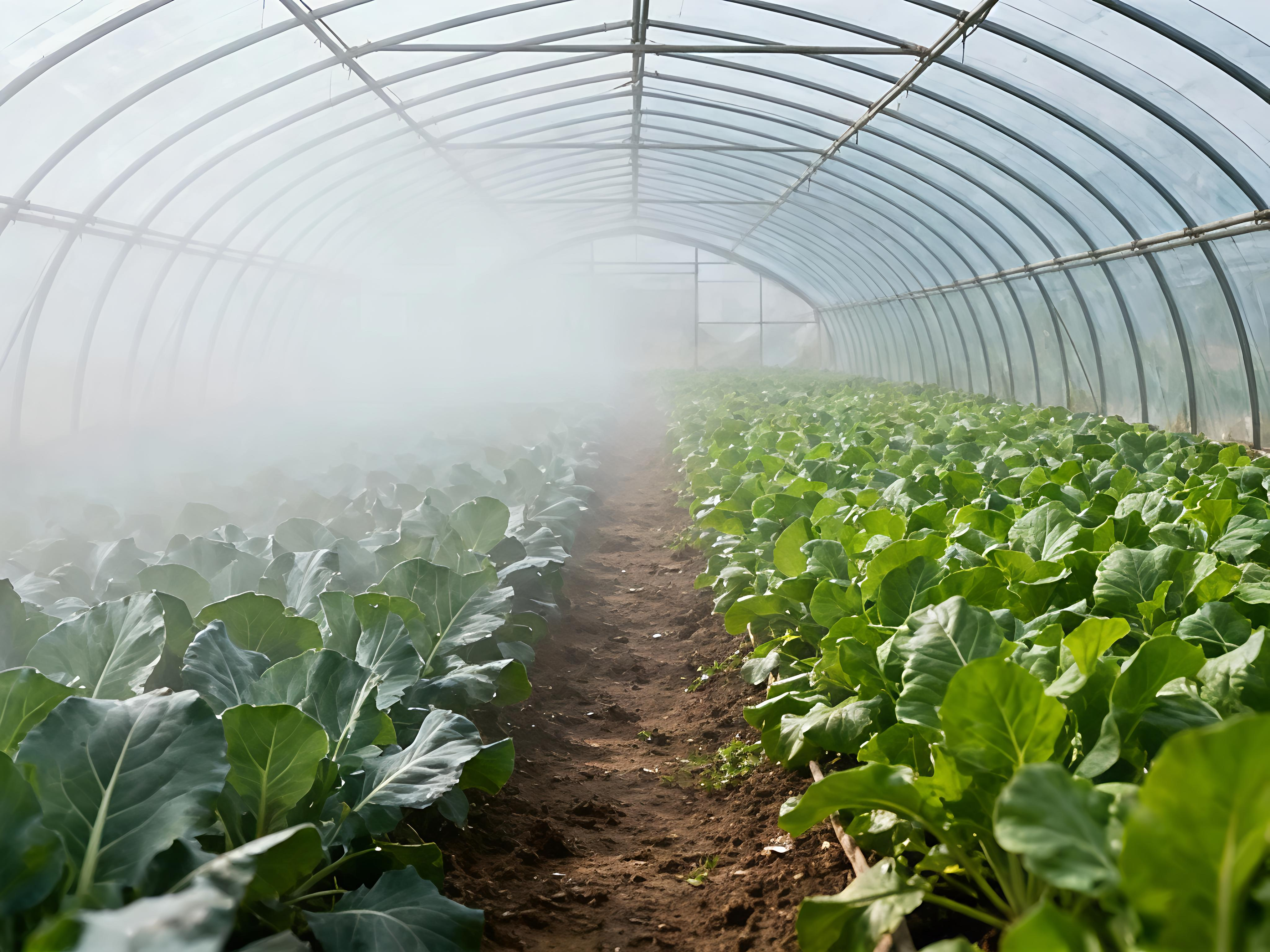
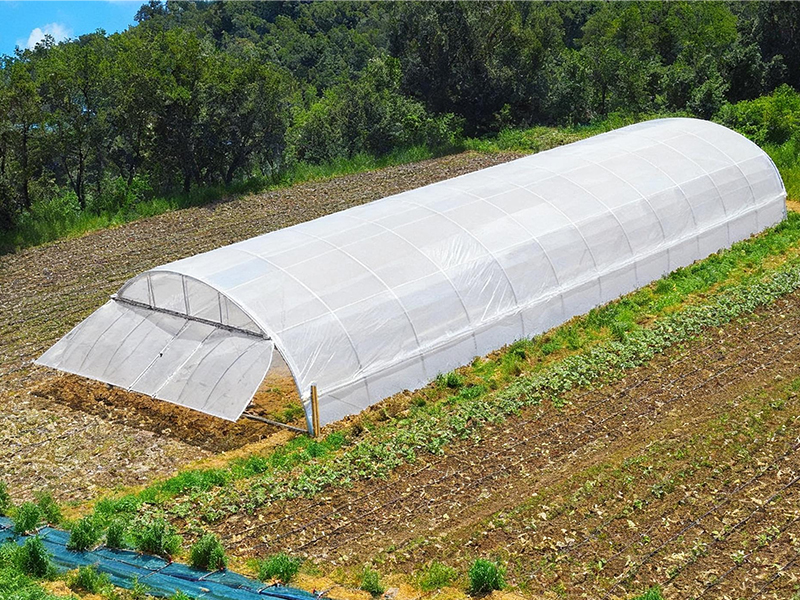
Proper tray selection also contributes to operational efficiency. Trays with uniform cell sizes simplify watering, fertilization, and handling during transplanting. When using UV resistant greenhouse plastic sheeting in conjunction with our trays, growers can further control temperature, humidity, and light exposure, which supports healthier seedlings and higher yields. Our company equips greenhouses with trays that are compatible with various cultivation systems, ensuring that the seedlings can thrive under different environmental conditions while maintaining optimal growth. This integration of tray design and HGDN greenhouse films allows for more predictable and consistent results in vegetable production.
Balancing Tray Size with Crop Needs
Choosing the right tray cell size is not just about plant health—it also affects labor and resource management. Larger cells may require more space and media but provide robust seedlings ready for transplant, whereas smaller cells increase tray density and reduce material use. In large scale greenhouse farming, this balance is critical for managing costs and labor efficiently. At HGDN, we offer guidance on selecting trays that align with the growth patterns of specific vegetables, helping growers achieve both productivity and quality goals. Our seedling trays are engineered for durability and reusability, complementing our UV resistant greenhouse plastic sheeting solutions to create a comprehensive system for modern greenhouse operations.
Conclusion: Optimizing Seedling Trays for Vegetable Production
In conclusion, understanding tray cell size is essential for effective greenhouse cultivation. By selecting trays that match the crop’s root growth requirements, growers can improve transplant success, enhance yield, and streamline management in large scale greenhouse farming. At HGDN, we combine high-quality seedling trays with our UV resistant greenhouse plastic sheeting to provide a reliable and sustainable solution for vegetable production. Our company’s advanced equipment, quality assurance, and certified materials ensure that each tray supports healthy seedlings, contributing to the overall efficiency and success of greenhouse operations.