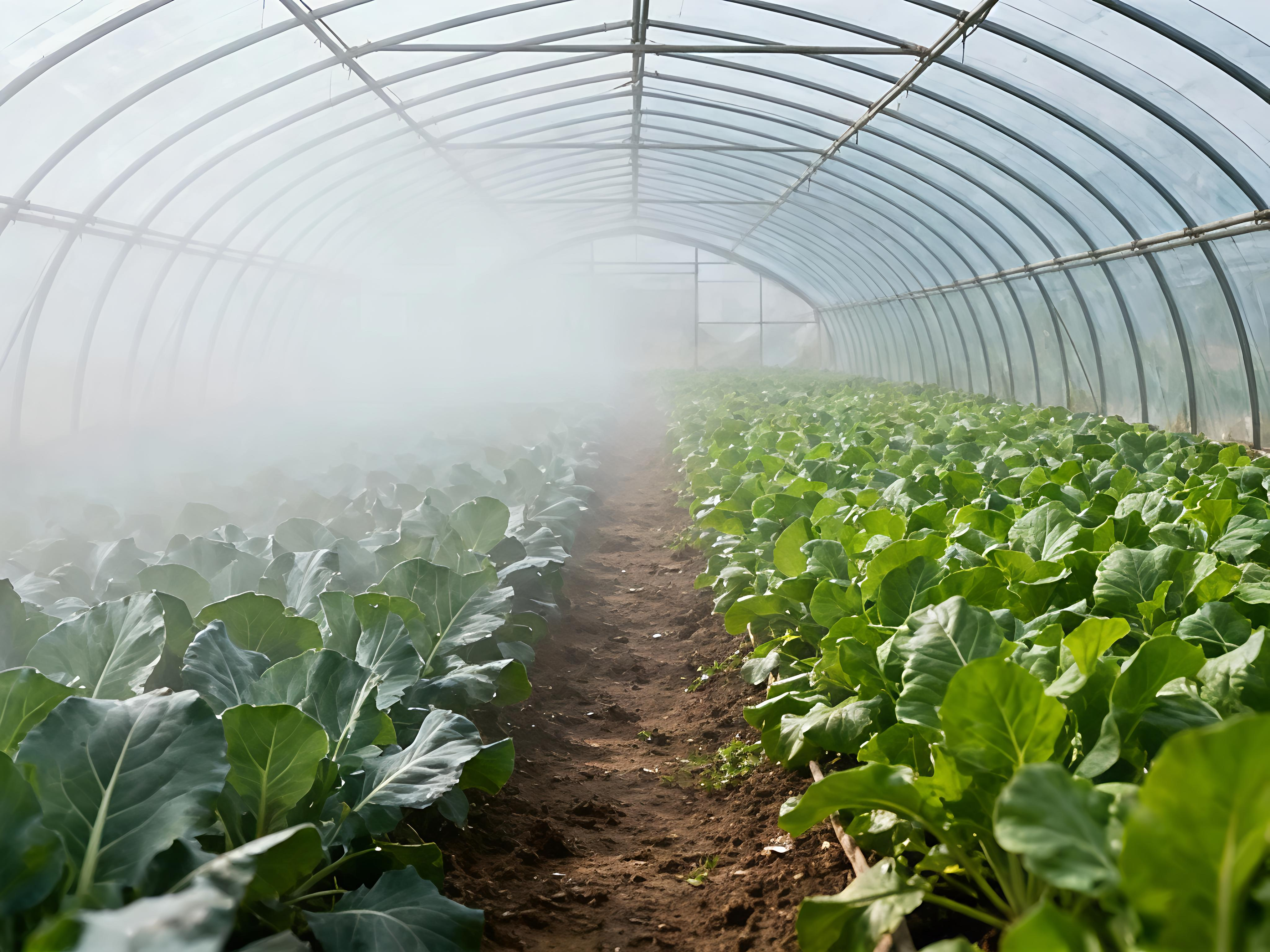
In modern horticulture, choosing between black mulch film and white mulch film depends on light control, soil temperature, and crop needs. At HGDN, we focus on practical solutions that support growers in different climates. The use of agricultural film has become an important part of protected cultivation because it helps stabilize soil conditions and reduce weed pressure. Many growers also evaluate best greenhouse film options when planning seasonal production systems.
Black mulch film is often used to limit weed growth and retain soil moisture, while white mulch film reflects sunlight and can moderate soil temperature in warmer regions. Growers sometimes combine film selection with irrigation planning to improve consistency in crop emergence. This approach aligns with sustainable greenhouse management practices across many production systems. It also supports long-term soil health and reduces reliance on chemical weed control methods.
Material Selection in Field Conditions
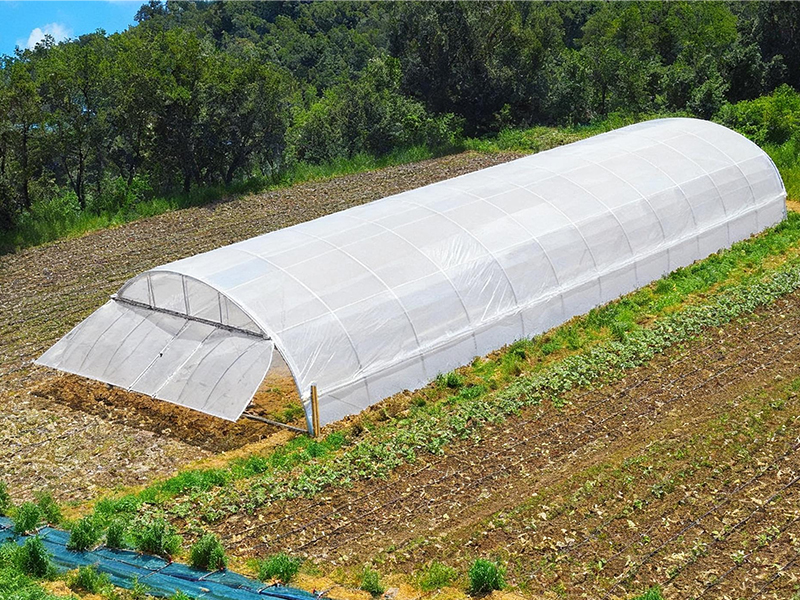
When evaluating mulch systems, growers often compare black and white films based on crop stage and climate. In some regions, biodegradable mulch is considered for fields where post-harvest removal needs to be simplified. This option reduces manual labor while maintaining soil coverage during growth cycles. At the same time, best greenhouse film is reviewed alongside shading requirements to ensure balanced light distribution in protected environments. The broader category of agricultural film also includes variations designed for different planting systems, helping growers adjust to seasonal changes without major structural modifications. HGDN provides technical support to help users understand these differences and apply them in practical field conditions. This ensures stable production planning across varying environments without compromising crop performance.
Seedling Development and Nursery Practice
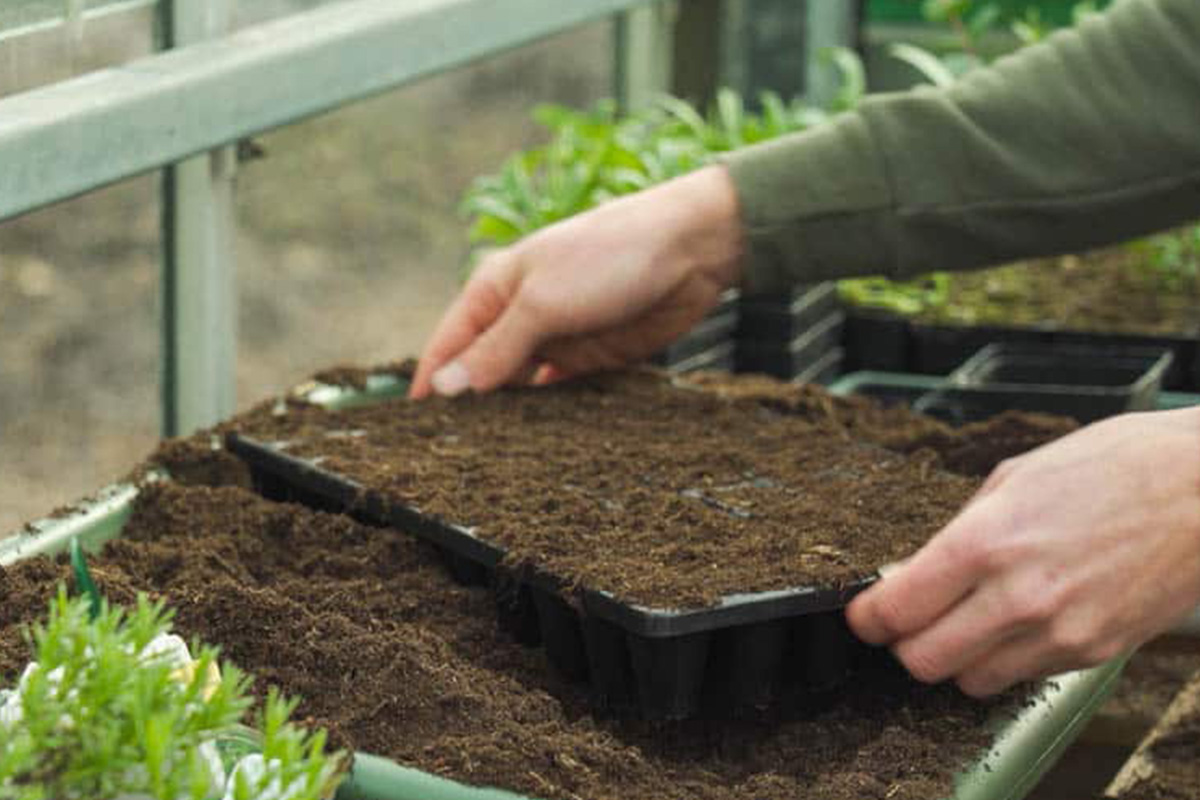
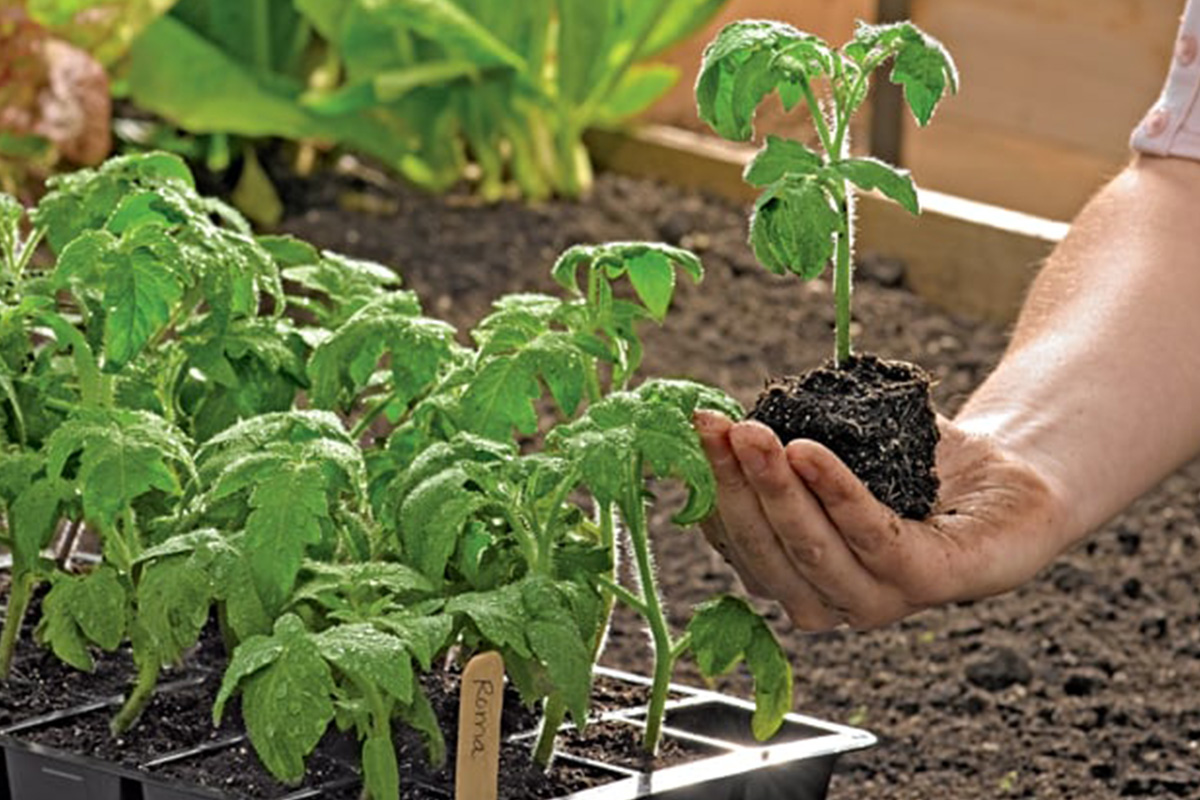
Place the seeded multi-cell seed tray in a warm, dark location, covering it with film to maintain moisture for germination. Before germination, mist the surface of your seedling trays daily to keep the substrate moist; after germination, water only when the medium begins to dry. Once most seeds have emerged, remove the cover and move the multi-cell seed tray to a bright location to prevent weak, stretched growth. Maintain ideal temperature conditions during day and night to support healthy development in seedling trays. If multiple seedlings grow in one cell, remove weaker ones after cotyledons unfold, leaving the strongest plant per cell. After true leaves appear, apply low concentration fertilizer, and biodegradable mulch can support moisture retention in systems.
Conclusion: Field Strategy Overview
Selecting between black and white mulch film depends on environmental conditions, crop requirements, and irrigation management strategies. Black options help suppress weeds and stabilize soil moisture, while reflective surfaces assist with light balance in warmer regions. Practices such as nursery preparation using seedling trays and careful temperature control further improve early growth consistency. We also consider how biodegradable mulch fits into field systems where reduced removal effort is important. HGDN maintains a practical approach by focusing on real cultivation needs and supporting growers through reliable material selection guidance and technical communication across agricultural environments for long-term use.