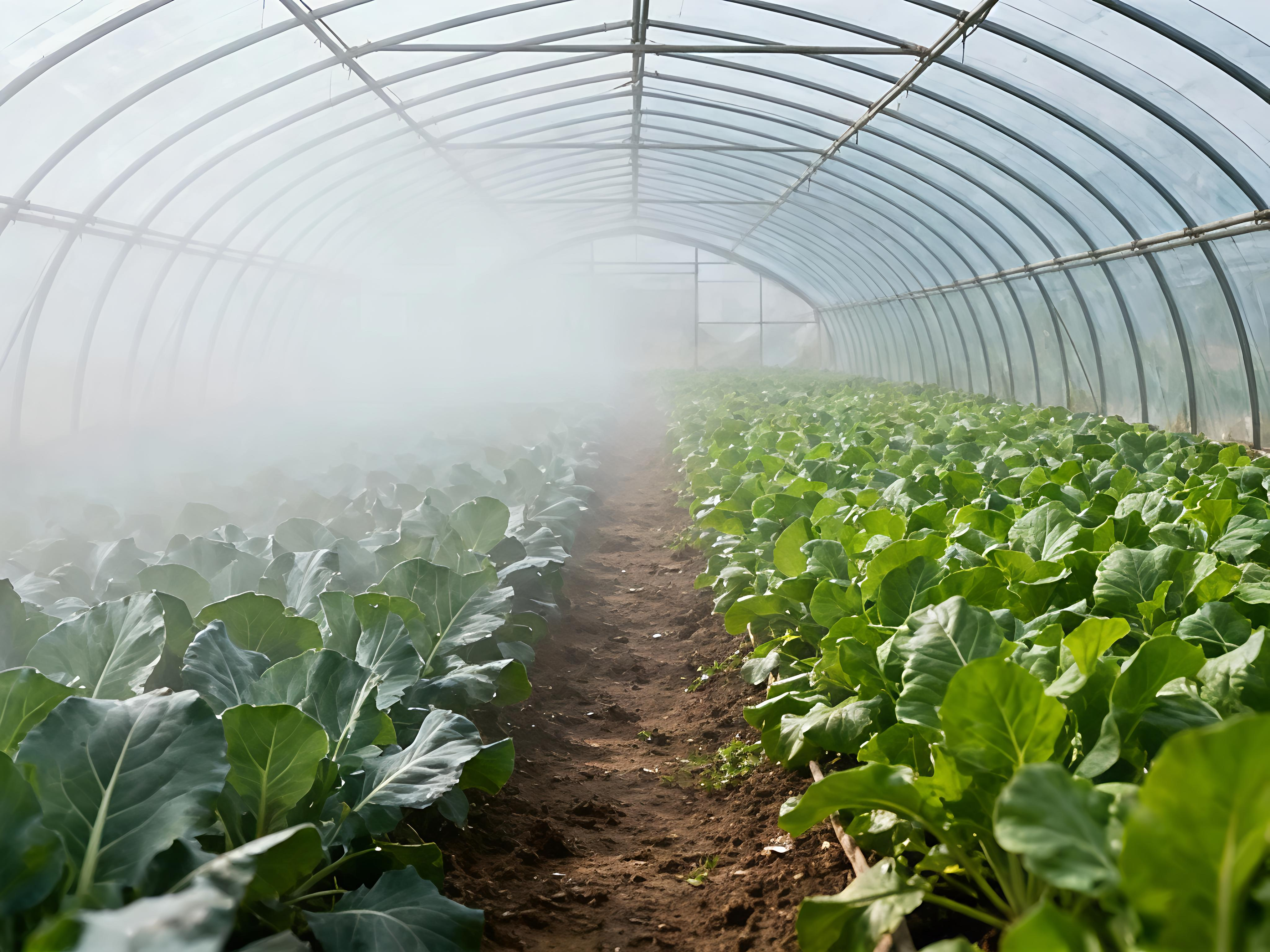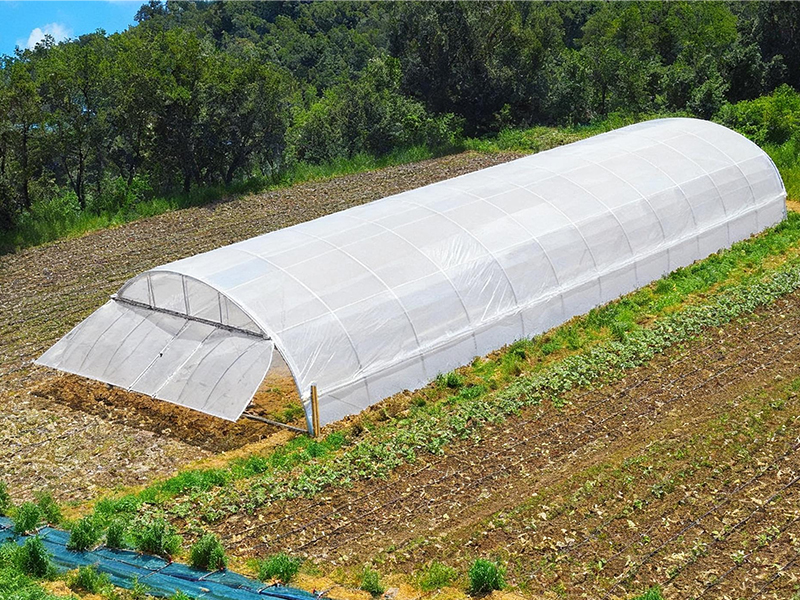
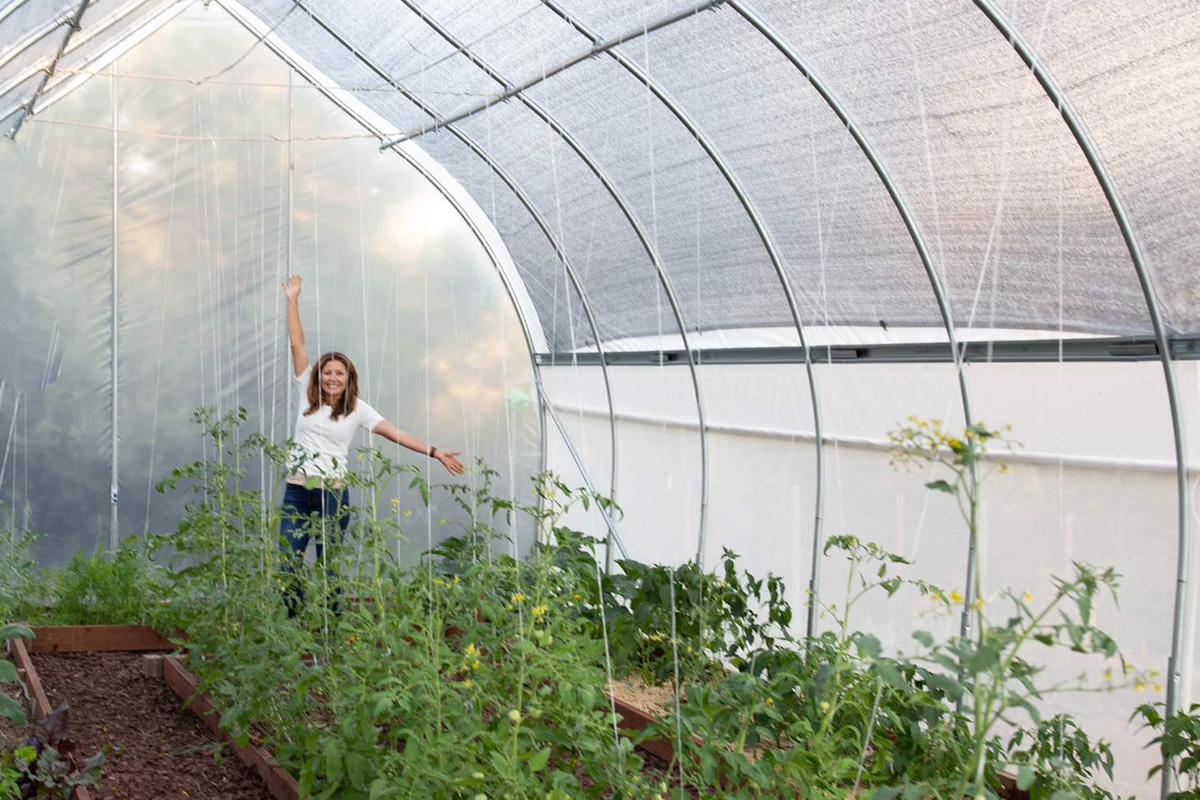
Understanding how different protective covers impact crop environments helps optimize seasonal yields and farm efficiency. As a dedicated plastic film manufacturer, we engineer various specialized covers tailored to distinct cultivation needs. While both types of protection shield crops from external stressors, they serve entirely unique primary functions. Greenhouse covers establish a fully enclosed, walkable growing space designed to control air temperature, humidity, and overall ambient climate. In contrast, agricultural mulch film options are applied directly to the soil surface to manage the subterranean environment, specifically targeting root temperature, moisture retention, and weed suppression. Choosing the right material depends heavily on whether your crops require overhead atmospheric protection or direct soil management.
Technical Variations in Design and Engineering
The physical specifications and chemical formulations of these materials reflect their different roles in the field. Our premium greenhouse film is manufactured using advanced multi-layer co-extrusion technology, giving it the structural integrity to withstand prolonged environmental exposure. These overhead covers are significantly thicker, typically ranging from 80 to 200 microns, and feature robust additives that provide five to eight years of UV resistance alongside anti-drip and anti-fog performance. On the other hand, traditional and biodegradable ground covers are much thinner, usually between 10 and 50 microns. This specific design allows this type of agriculture film to lay flat against the soil profile, creating an immediate thermal barrier that blocks weed growth and prevents fertilizer leaching without structural weight.
Essential Operational Practices and Maintenance Guidelines
Maximizing the lifespan and performance of your protective materials requires adhering to a precise agricultural film maintenance routine throughout the growing season. For overhead structures, it is critical to clean dust and snow from your agricultural plastic film promptly to maintain optimal light transmission. Additionally, before and after strong winds, check the pressure wires on reinforced greenhouse film to prevent flapping or tearing. Ground installations demand different care; you should immediately repair any holes in plastic mulch film with specialized tape to maintain insulation performance. During hot weather, install a shade net when using our high-durability products to protect crops from intense sunlight and high temperatures. Finally, at night, cover our biodegradable agricultural mulch film with insulating blankets or straw mats to minimize heat loss, and after the growing season, carefully remove our biodegradable mulch, clean and dry it, then store it in a cool, dark place to prevent degradation.
Conclusion
HGDN provides field-proven solutions that cater to both atmospheric and soil-level crop protection needs globally. Our certified manufacturing processes comply fully with European and North American standards, including CE, REACH, and BSCI, guaranteeing reliable performance in diverse climates. By utilizing advanced extrusion machinery and precise weaving equipment, we ensure a dependable 15-to-20-day delivery time for bulk commercial orders. We support our global distributors with 24-hour online technical assistance and structural warranties ranging from 3 to 10 years depending on the material specification. Selecting the ideal configuration between ground and overhead covers ensures healthy crop development, efficient water usage, and consistent farm productivity throughout every season.