Selecting the correct greenhouse plastic film determines the success of modern agricultural ventures. Climate variables like temperature, sunlight intensity, humidity, and wind pressure dictate how well a covering performs over time.
This guide explores how to identify the ideal plastic film for greenhouse use to ensure long-term productivity and cost efficiency across various environmental conditions.
Why Greenhouse Plastic Film Matters
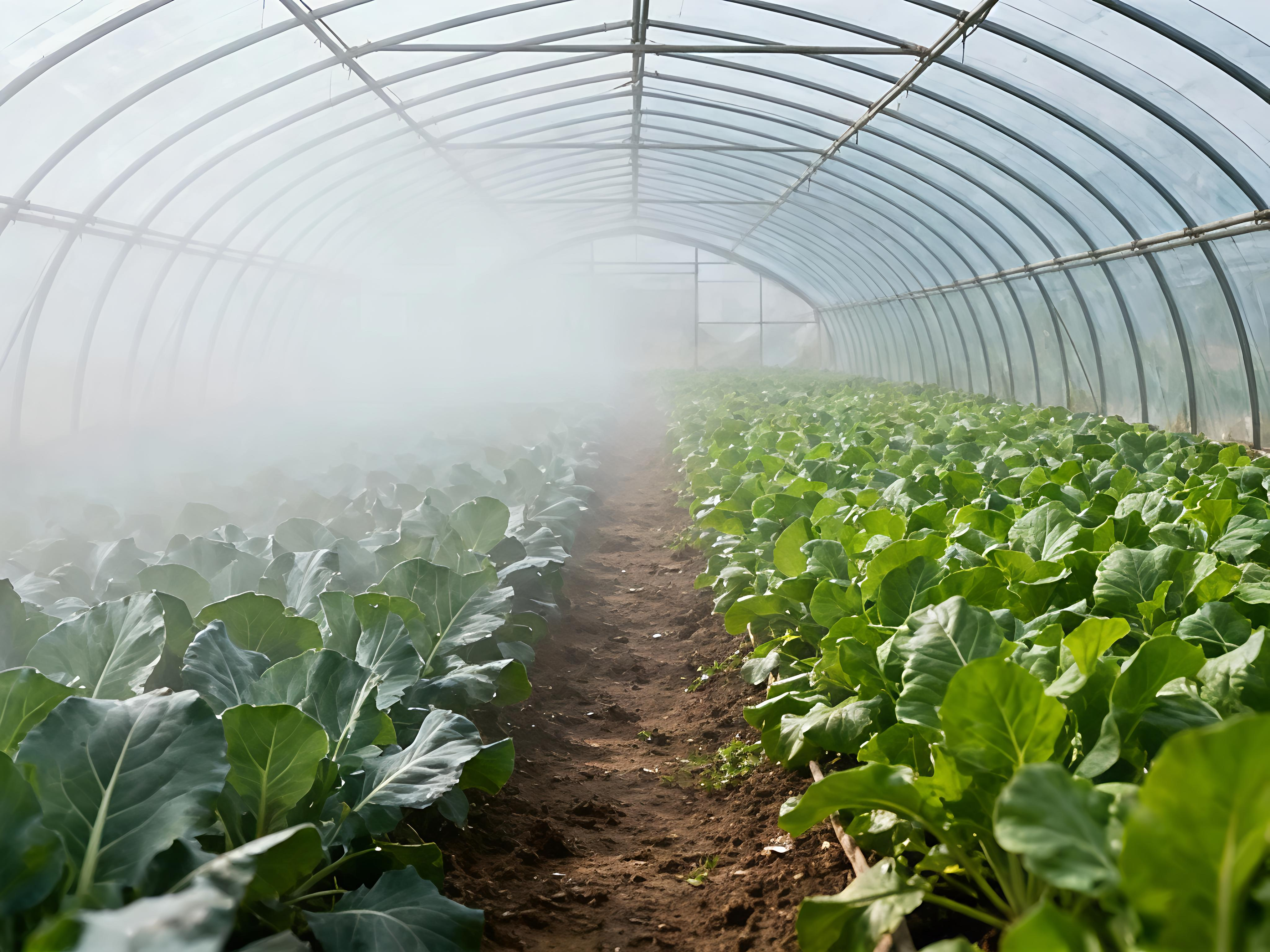
Modern agriculture relies on greenhouse film plastic to create a controlled environment that mimics ideal growing conditions. The covering acts as the primary interface between the internal crops and the external environment. Its role is multifaceted and directly impacts the bottom line of a farming operation.
Key benefits of high-quality films include:
Protecting crops from harsh weather: The film serves as a physical barrier against heavy rain, hail, and frost.
- Maintaining stable temperatures:It traps thermal energy to prevent drastic temperature swings between day and night.
- Improving light transmission for plant growth:Premium films allow the specific wavelengths of light necessary for photosynthesis to pass through efficiently.
- Reducing moisture loss:By controlling evaporation, the film helps maintain consistent soil moisture levels and reduces the need for frequent irrigation.
Choosing the wrong film can lead to significant setbacks. Low-quality materials might degrade within a single season or fail to provide adequate insulation. This results in poor plant growth, higher energy bills for heating, and the recurring cost of replacing the greenhouse covering prematurely.
Key Factors to Consider When Choosing Greenhouse Plastic Film
Before purchasing any material, you must understand the technical specifications that define its performance. Different regions require different balances of durability and clarity.
1. Film Thickness and Polyethylene Plastic for Greenhouse Use
Standard thickness for polyethylene plastic for greenhouse structures ranges between 100 and 200 microns. Thicker films offer superior durability and resistance to mechanical stress.
While thinner options are more economical initially, they are prone to punctures and damage from heavy snow.
2. UV Resistance
Ultraviolet radiation causes plastic to become yellow and brittle. Producers add specialized stabilizers to the resin to block or absorb these harmful rays.
UV stabilization is essential to extend the service life of the greenhouse covering from a few months to several years, preventing premature material failure.
3. Light Transmission
Effective plant growth requires high Photosynthetically Active Radiation levels. Clear films usually provide 85 percent to 91 percent light transmission.
In areas with limited natural sunlight, choosing a film with maximum clarity is vital for maintaining optimal crop development and high yields.
4. Anti-Drip and Anti-Fog Features
Temperature differences often cause condensation on the inner film surface. Large droplets can fall on plants and trigger fungal diseases.
Anti-drip technology uses surfactants to make moisture flow down the sides of the structure. This maintains a healthier environment and ensures water does not block incoming sunlight.
Choosing Greenhouse Plastic Film for Different Climates
Every geographic location presents unique environmental challenges that require specific material properties.
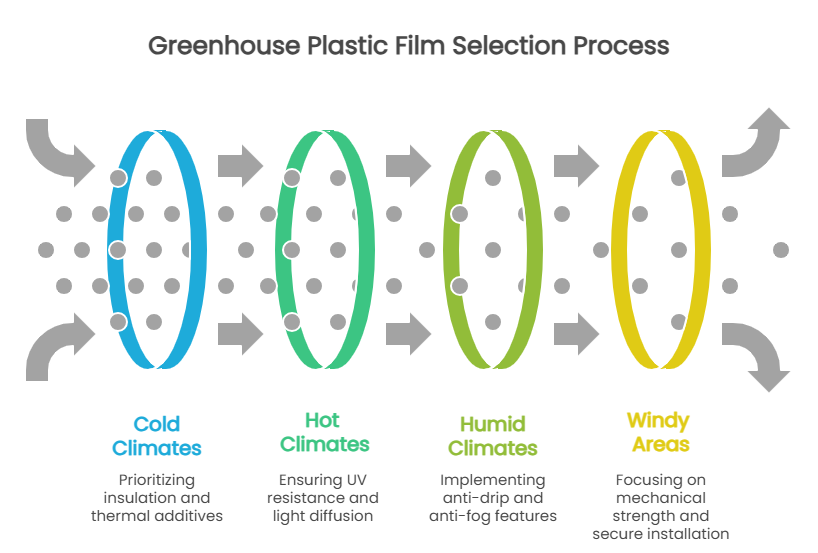
1. Cold Climates
In frost-prone regions, insulation is the primary requirement. Growers should select thicker greenhouse plastic sheeting containing thermal additives.
These additives reflect heat back into the structure at night, reducing heating costs and protecting sensitive crops from sudden temperature drops.
2. Hot and Sunny Climates
Intense sun exposure leads to heat stress and rapid material degradation. UV resistance is mandatory in these zones.
Films designed to diffuse light are highly effective here because they spread sunbeams evenly. This prevents leaf scorch and ensures light reaches the lower sections of the plant canopy.
3. Humid or Rainy Regions
Moisture management is critical in wet climates to prevent pest outbreaks. Anti-drip and anti-fog films are necessary tools for maintaining air quality.
Additionally, the film must have the structural integrity to support the weight of heavy rainfall without sagging or tearing.
4. Windy Areas
High wind speeds put immense pressure on both the frame and the covering. In these corridors, mechanical strength is the most important factor.
Using a thicker plastic film for greenhouse structures with high tear resistance prevents small snags from becoming major failures. Secure installation is also vital to stop the film from flapping against the frame.
Recommended Greenhouse Plastic Film Specifications by Climate
The following table summarizes optimal technical parameters for different climate conditions to help growers make faster decisions:
| Climate Type | Recommended Thickness (Micron) | UV Resistance | Light Transmission | Key Features Needed |
| Cold Climates | 150–200 µm | High | 80%–88% | Thermal insulation, heat retention additives |
| Hot & Sunny | 120–150 µm | Very High | 88%–92% | UV protection, light diffusion |
| Humid / Rainy | 120–160 µm | High | 85%–90% | Anti-drip, anti-fog, moisture control |
| Windy Areas | 150–200 µm | High | 85%–90% | High tensile strength, tear resistance |
HGDN Agro 130 Micron Clear Greenhouse Plastic Film
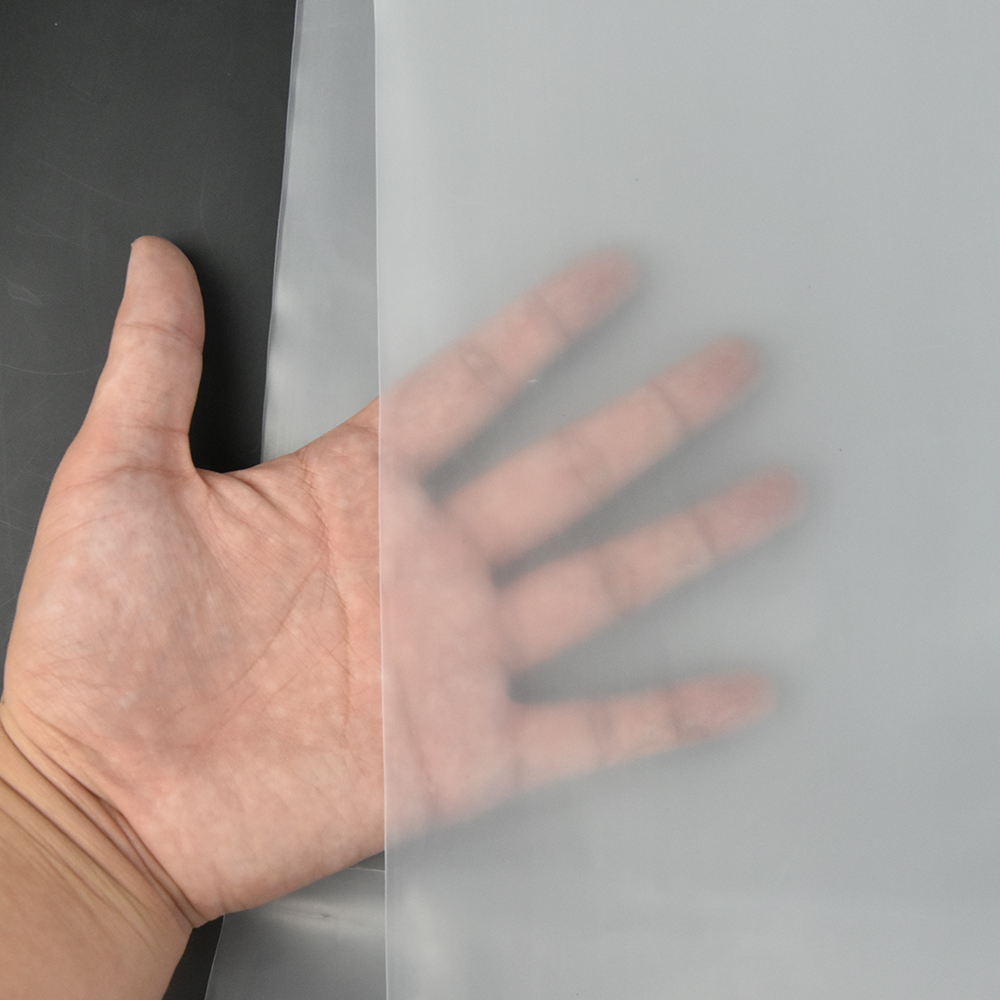
For commercial enterprises that require a balance of durability and extreme clarity, the HGDN Agro 130 Micron Clear Greenhouse Plastic Film stands out as a professional-grade solution. This product is engineered to meet the rigorous demands of large-scale vegetable and flower production.
Key features of this product include:
- Optimized 130 Micron Thickness:This specific gauge provides excellent puncture resistance while remaining light enough for easy installation on various frame types.
- Maximum Light Transmission: The clear composition ensures that over 90 percent of natural sunlight reaches your crops, which is essential for maximizing photosynthesis and annual yields.
- Advanced UV Stabilization: Integrated additives protect the material from the degrading effects of the sun, extending the lifespan of the covering significantly compared to standard plastics.
- Superior Tensile Strength:Manufactured using multi-layer co-extrusion technology, this film can withstand heavy rain and moderate wind without tearing.
- Excellent Flexibility:The high-quality polyethylene resin ensures the film remains easy to handle even in colder temperatures during installation.
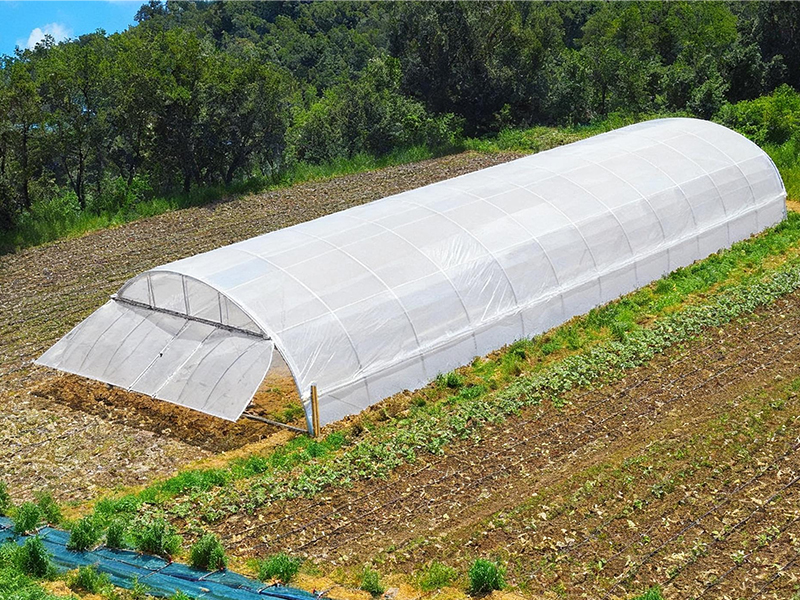
- Versatile Application: It is suitable for a wide range of professional structures, including tunnel houses and large scale multi span greenhouses.
FAQ
- How long does greenhouse plastic film last?
High-quality UV-stabilized films typically last 3–5 years depending on climate conditions and maintenance.
- What micron thickness is best for greenhouse use?
Most commercial greenhouses use 120–200 microns. Colder or windier regions generally require thicker films.
- Does thicker film always mean better performance?
Not always. While thicker films are stronger, they may reduce light transmission slightly. The best choice depends on climate needs.
- Can greenhouse plastic film improve crop yield?
Yes. Proper films enhance light diffusion, temperature stability, and humidity control, all of which improve plant growth conditions.
- What is the difference between UV and non-UV film?
UV-stabilized films resist degradation from sunlight, making them last significantly longer than non-UV versions.
Conclusion
HGDN Agro is a leading provider of professional agricultural solutions, specializing in high-performance greenhouse films that help agricultural businesses globally achieve better results.
If you are ready to upgrade your agricultural setup or need expert advice on selecting the best covering for your commercial climate, please contact us today. Our team is ready to provide you with a customized quote and help you find the perfect greenhouse plastic film for your professional project.