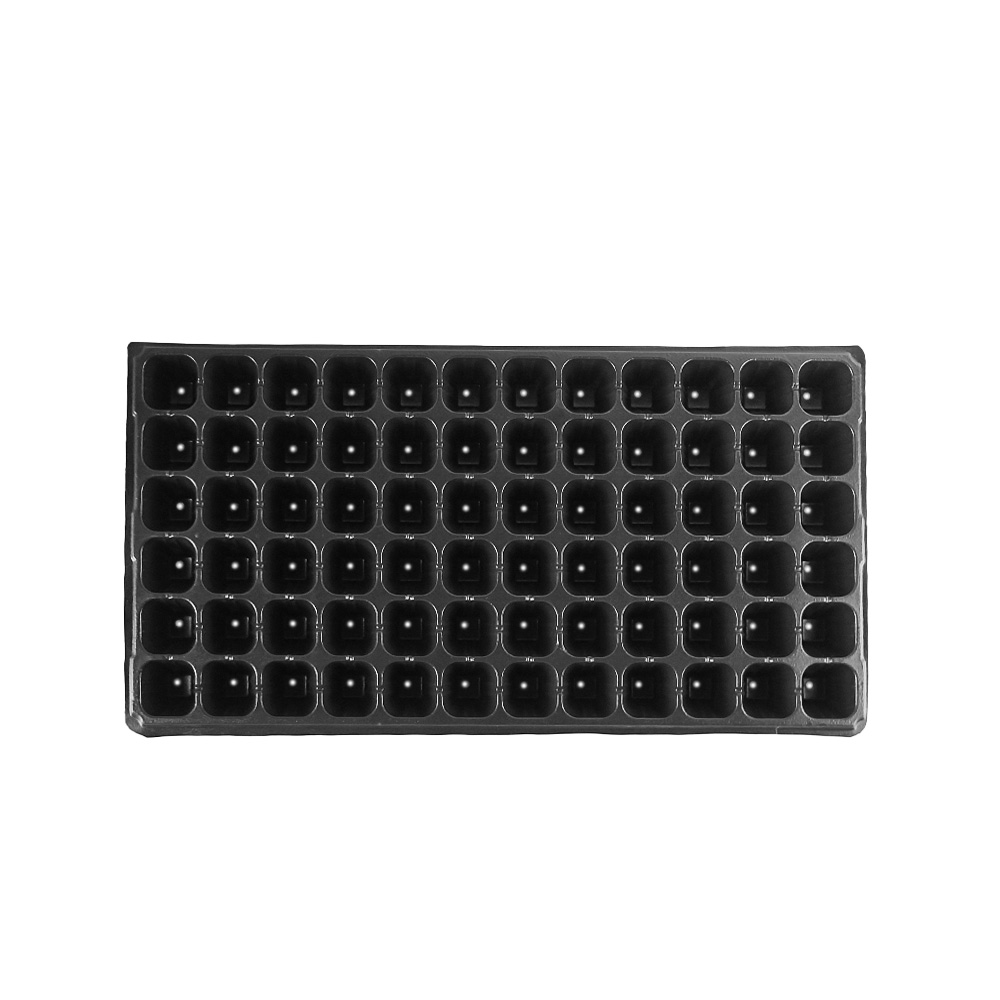
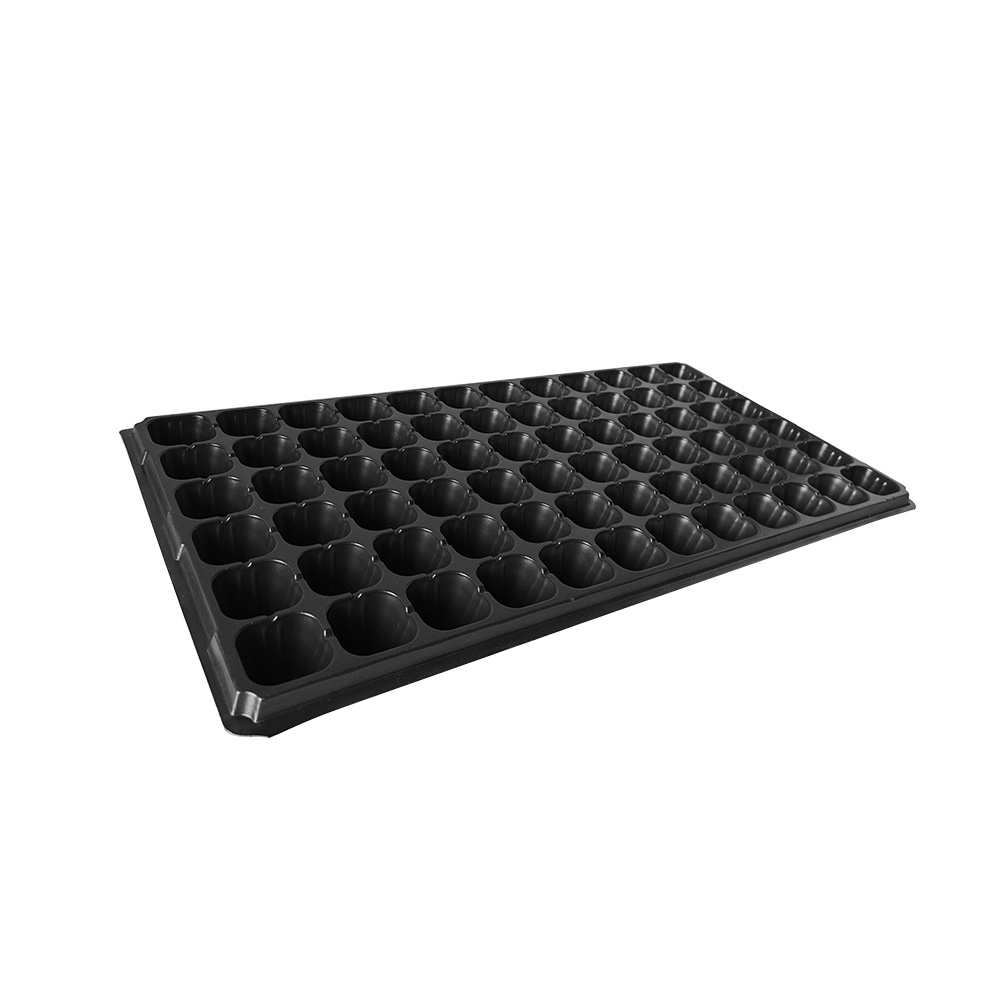
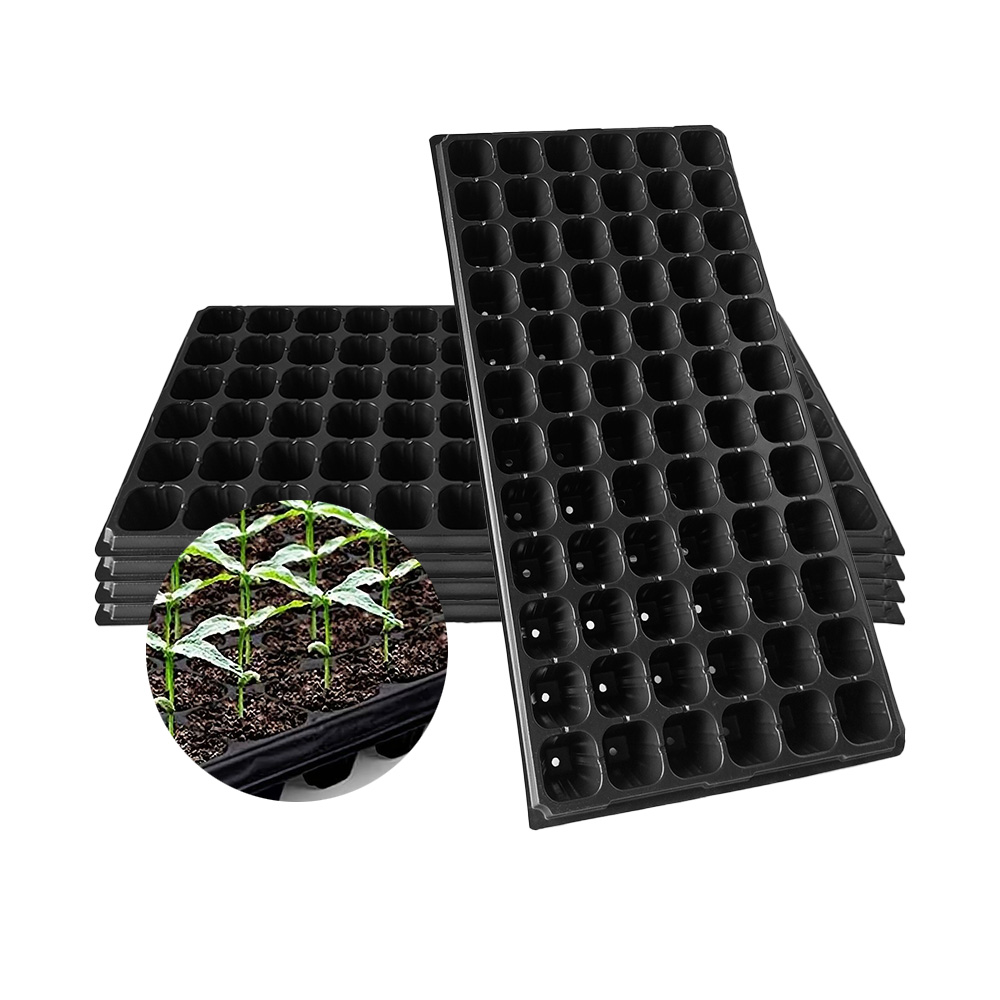
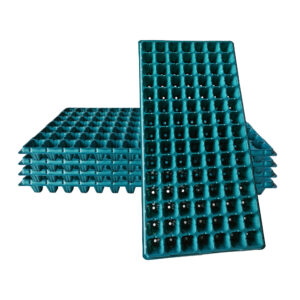
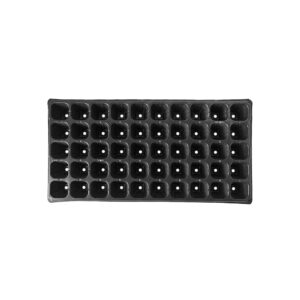
72 cell plug tray for greenhouse seedling propagation, nursery plug production, vegetable starts, and flower seedlings. The black PET plastic tray provides a balanced cell count, bottom drainage holes, and stackable handling for wholesale greenhouse and nursery supply.
72-cell layout for higher-density propagation than 50-cell trays
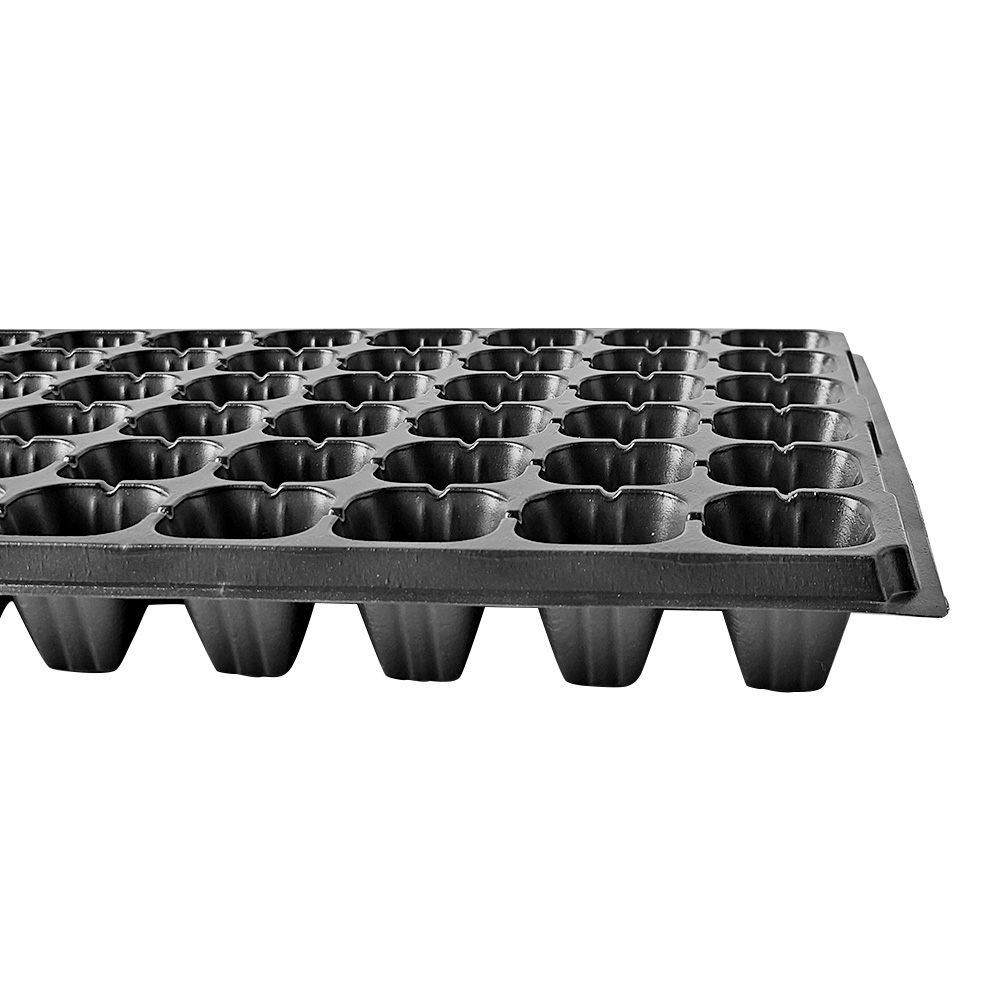
Black PET plastic tray with lightweight, stackable structure
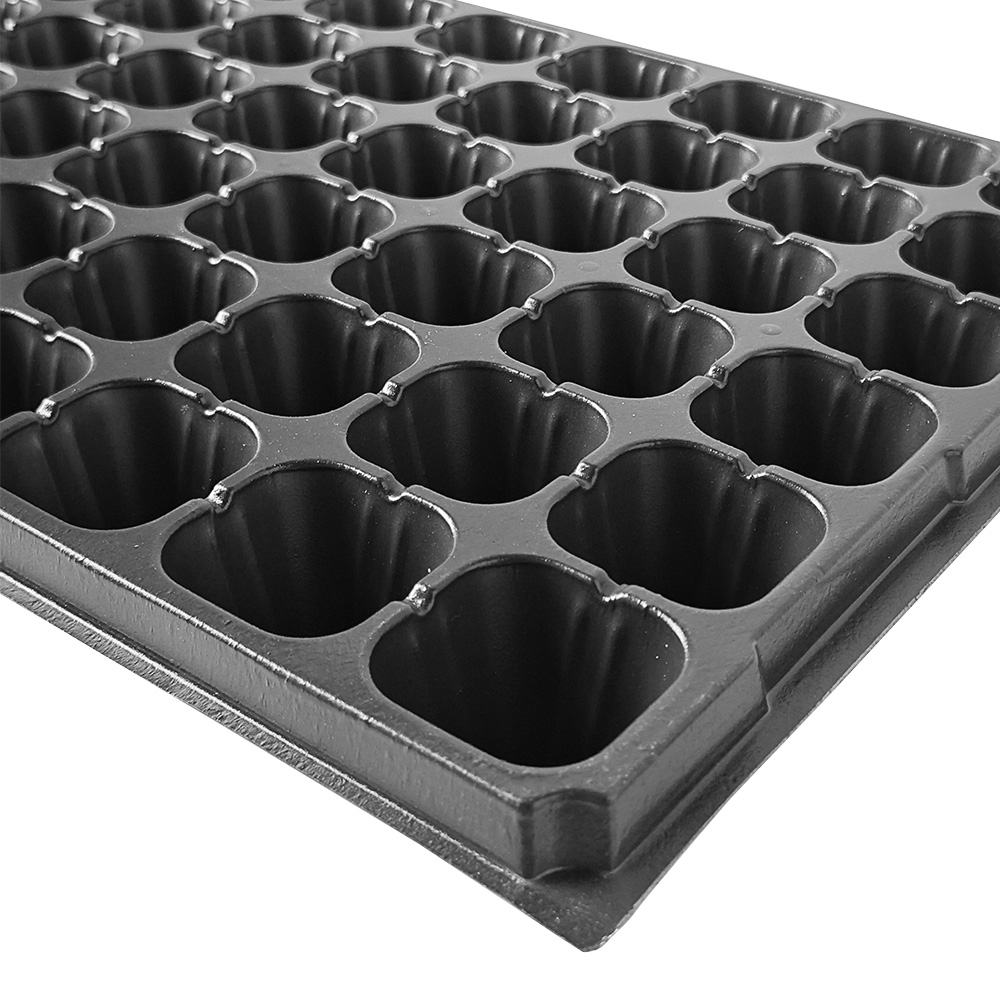
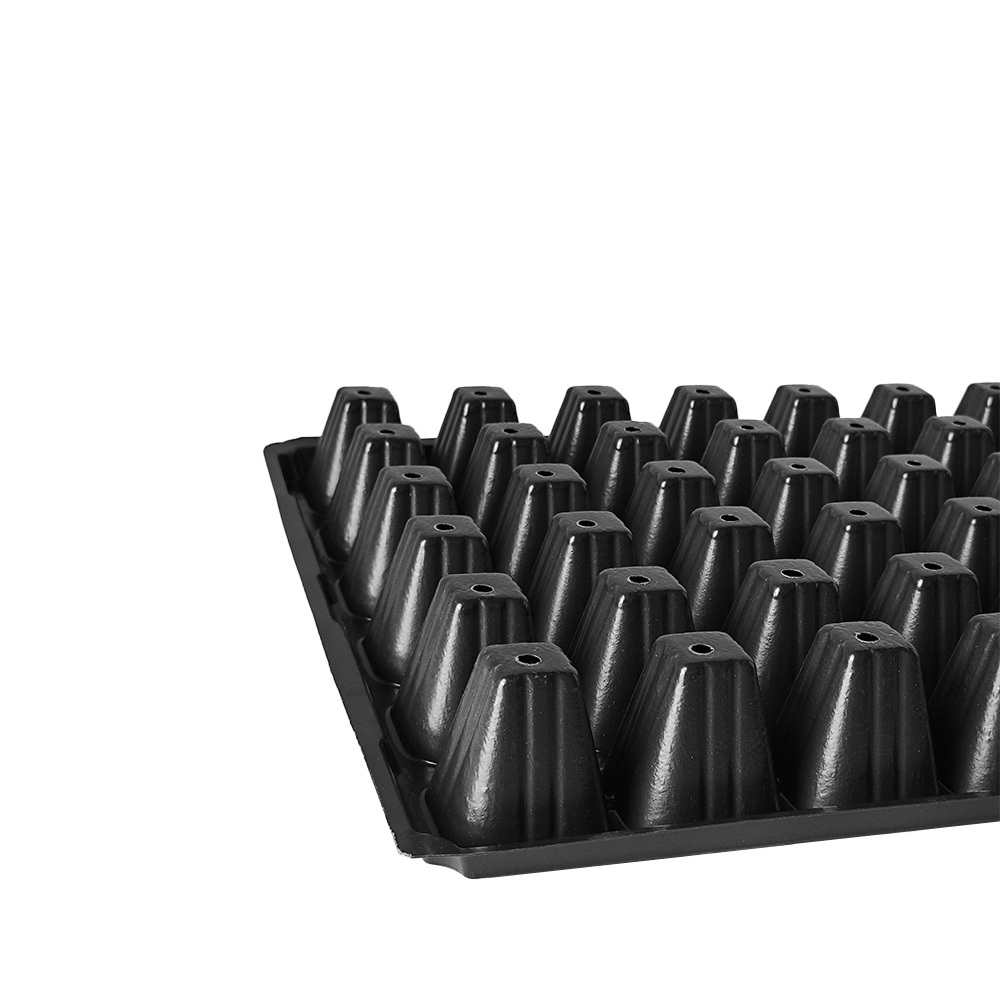
Bottom drainage holes for controlled seedling water management
Suitable for greenhouse nurseries, plug growers, and transplant suppliers
Wholesale packing, OEM color, thickness, and carton requirements can be discussed
72 Cell Plug Tray for Commercial Greenhouse Propagation
The 72 cell plug tray is designed for greenhouse seedling propagation, nursery plug production, vegetable starts, and flower seedling programs. Compared with a 50-cell seedling tray, the 72-cell layout increases production density while still giving each seedling an organized cavity for root development.For B2B buyers, this tray is usually selected by cell count, tray size, cavity shape, drainage design, thickness, color, packing quantity, and order volume. PET plastic is listed as the material, while the main selection logic should focus on propagation density and practical handling requirements.
Wholesale, OEM color, custom thickness, and packing options
Application Scenarios for Nursery Plug Production
The 72 cell plug tray is suitable for commercial seed starting where growers need more plants per tray than a 50-cell format. It is commonly used for greenhouse propagation, nursery transplant production, vegetable seedlings, herb starts, and flower plugs.Buyers who need a stronger root ball may choose 50-cell trays, while buyers who need a balance between plug size and production density often choose 72-cell trays. For higher-density propagation, 105-cell trays may be considered depending on crop type and transplant timing.
72 Cell Plug Tray Drainage and Handling Features
Each cavity includes a bottom drainage hole to help reduce excess water retention and support more consistent propagation conditions. The tray can be stacked for storage, shipment, and greenhouse workflow management.The black tray color gives a clean agricultural product appearance and is commonly used in nursery and greenhouse supply channels. Buyers can confirm tray thickness, weight, carton quantity, and packing method according to market requirements.
72 Cell Plug Tray Wholesale Supply and OEM Options
HGDN supplies plug trays for greenhouse growers, nursery farms, agricultural distributors, and planting material importers. For wholesale orders, buyers can discuss color, thickness, packing quantity, carton label, and other OEM requirements before production.To prepare an accurate quotation, please confirm the cell count, tray dimensions, cavity depth, material preference, thickness or weight, order quantity, destination port, and packing requirements.
72 Cell Plug Tray FAQ
What is a 72 cell plug tray used for?
A 72 cell plug tray is used for seed starting and plug propagation in greenhouses, nurseries, vegetable farms, and flower production. It provides more cavities per tray than 50-cell formats while keeping organized root space.
Is a 72 cell tray better than a 50 cell tray?
It depends on the crop and production target. A 72 cell tray is better when growers need higher plant density, while a 50 cell tray is better when seedlings need more root space before transplanting.
What crops are commonly grown in 72 cell plug trays?
72 cell plug trays are commonly used for vegetable seedlings, herbs, flowers, and greenhouse transplant production. The final choice should be based on seedling size, root development needs, and transplant timing.
Does this 72 cell plug tray have drainage holes?
Yes. The tray includes bottom drainage holes to help manage excess water and support more consistent seedling growth during nursery propagation.
What should B2B buyers confirm before ordering 72 cell plug trays?
Buyers should confirm tray dimensions, cavity size, material, thickness, color, packing quantity, carton requirements, and order volume. These details help match the tray to greenhouse operations and local market demand.