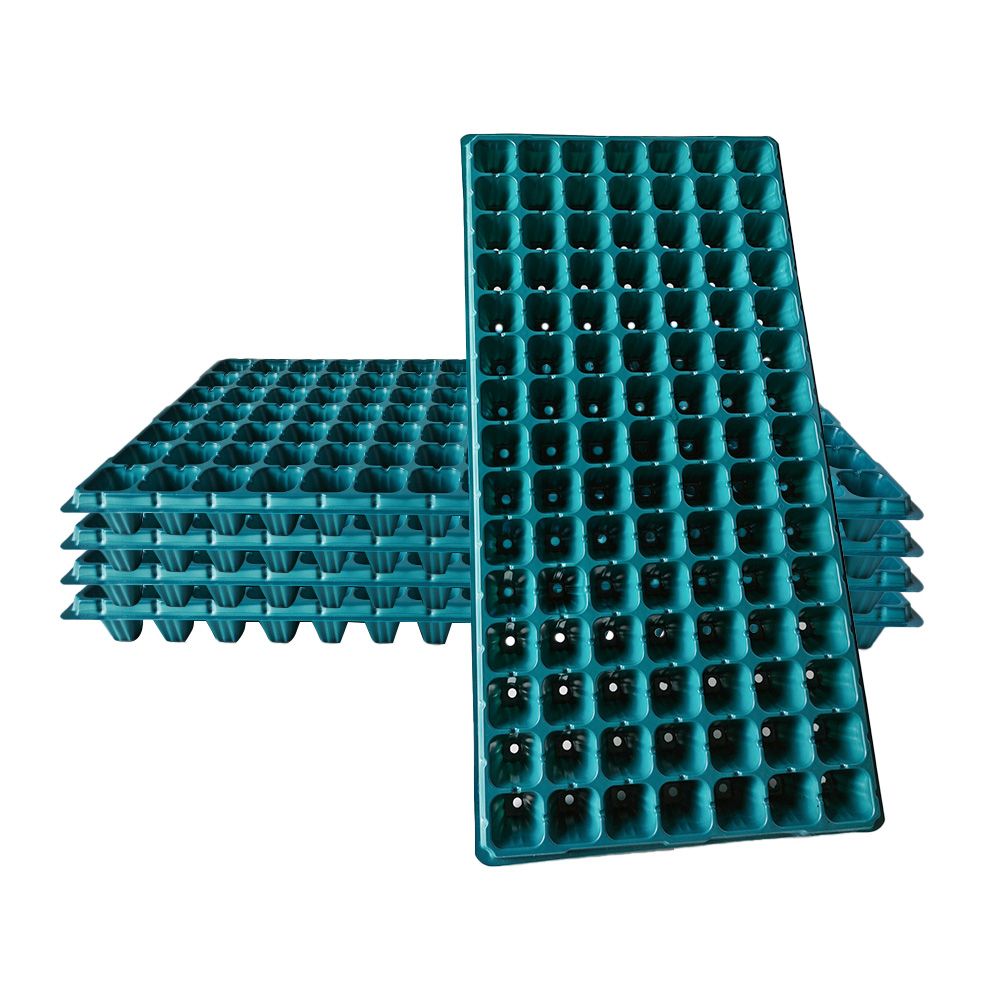
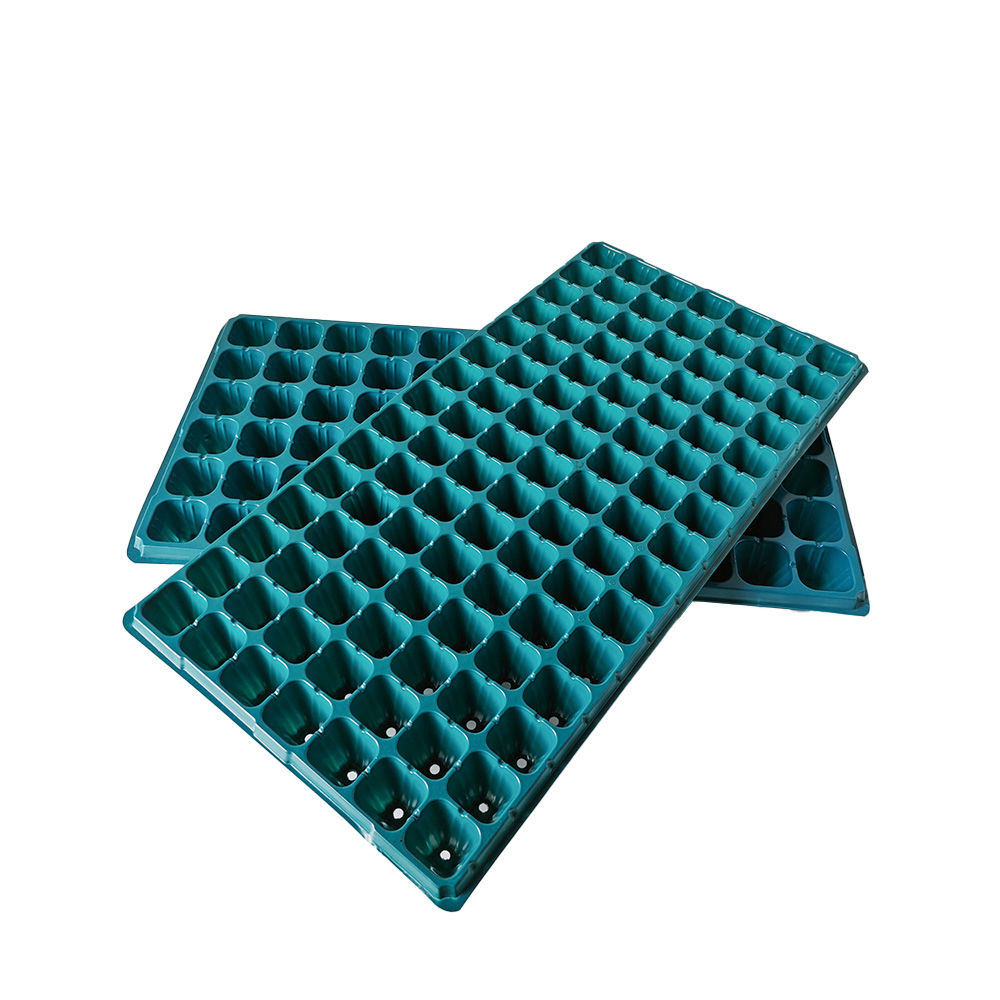
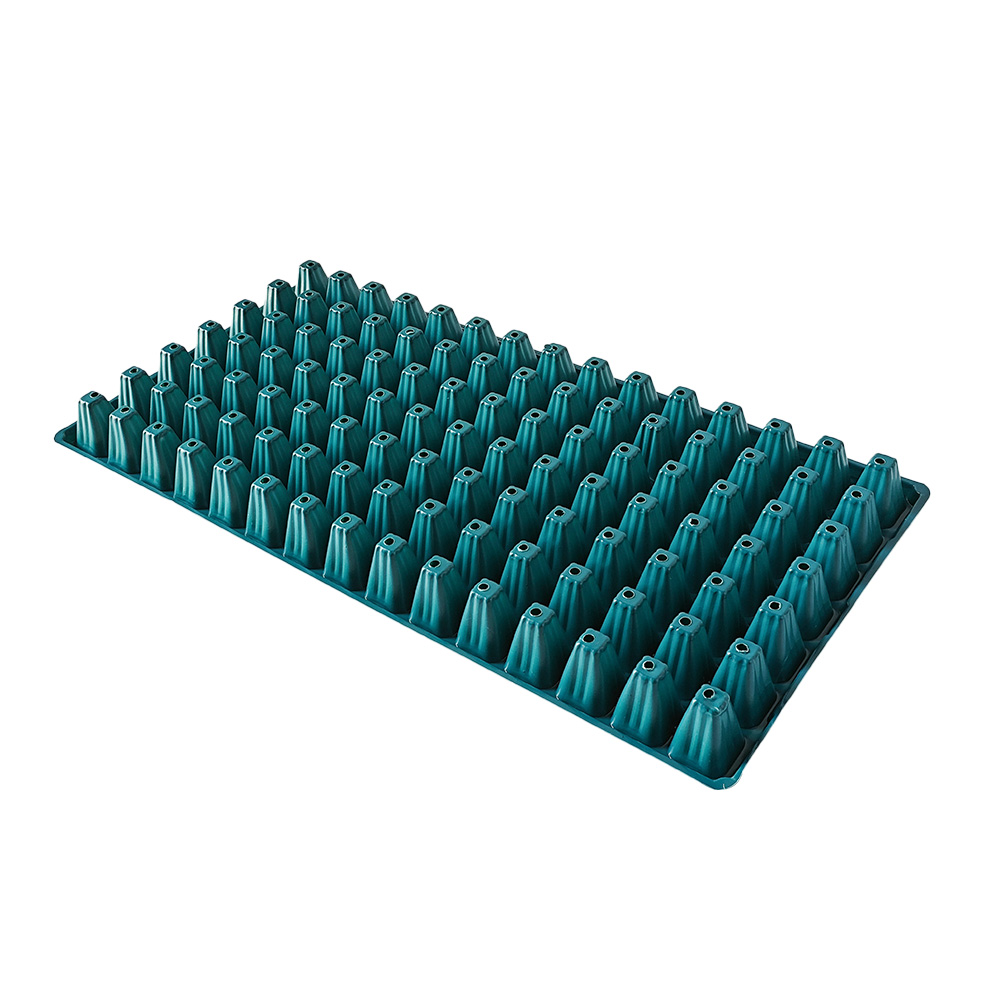
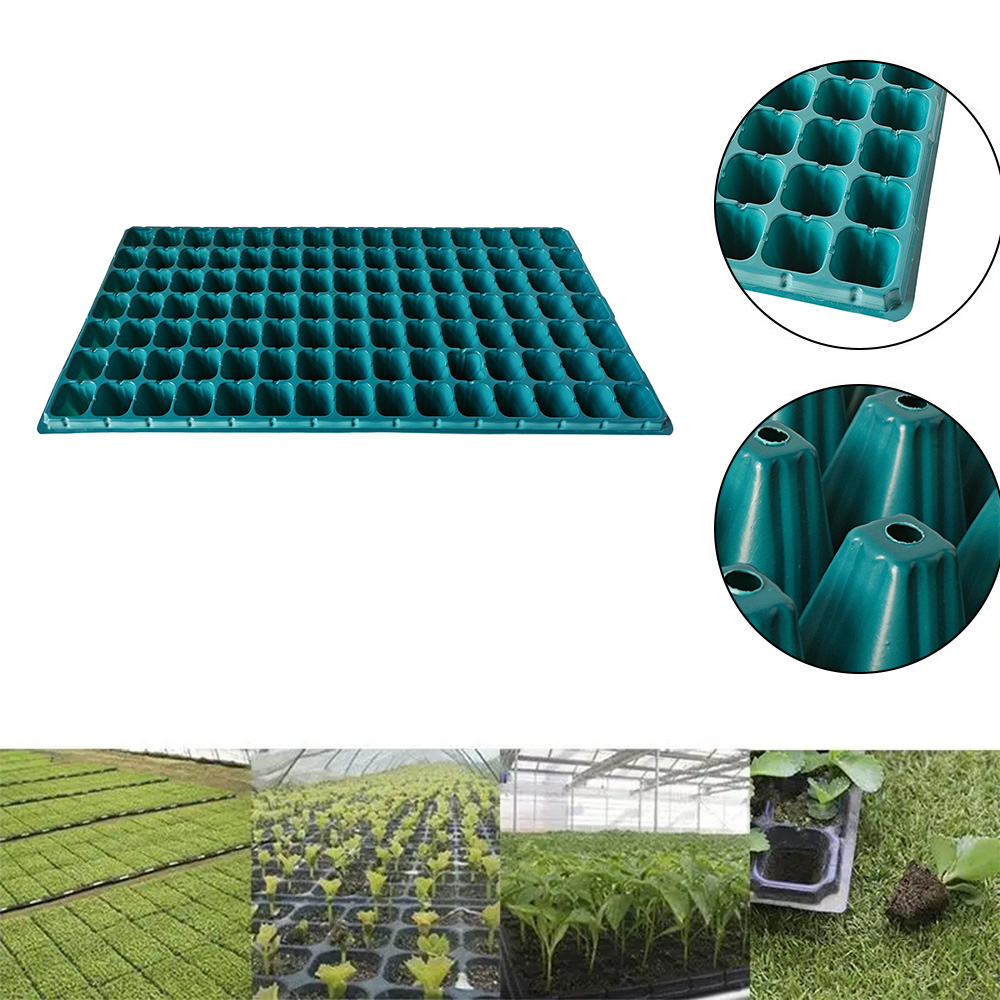
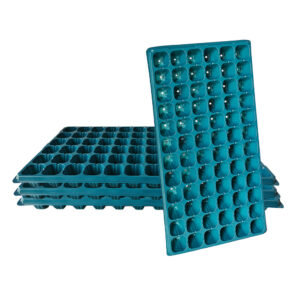
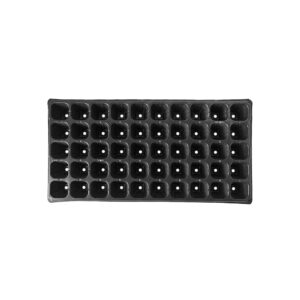
105 cell plug tray for nursery seed starting, greenhouse propagation, small seedling plugs, and wholesale transplant production. The dark green PET plastic tray supports high-density propagation, bottom drainage, and stackable handling for B2B nursery and distributor supply.
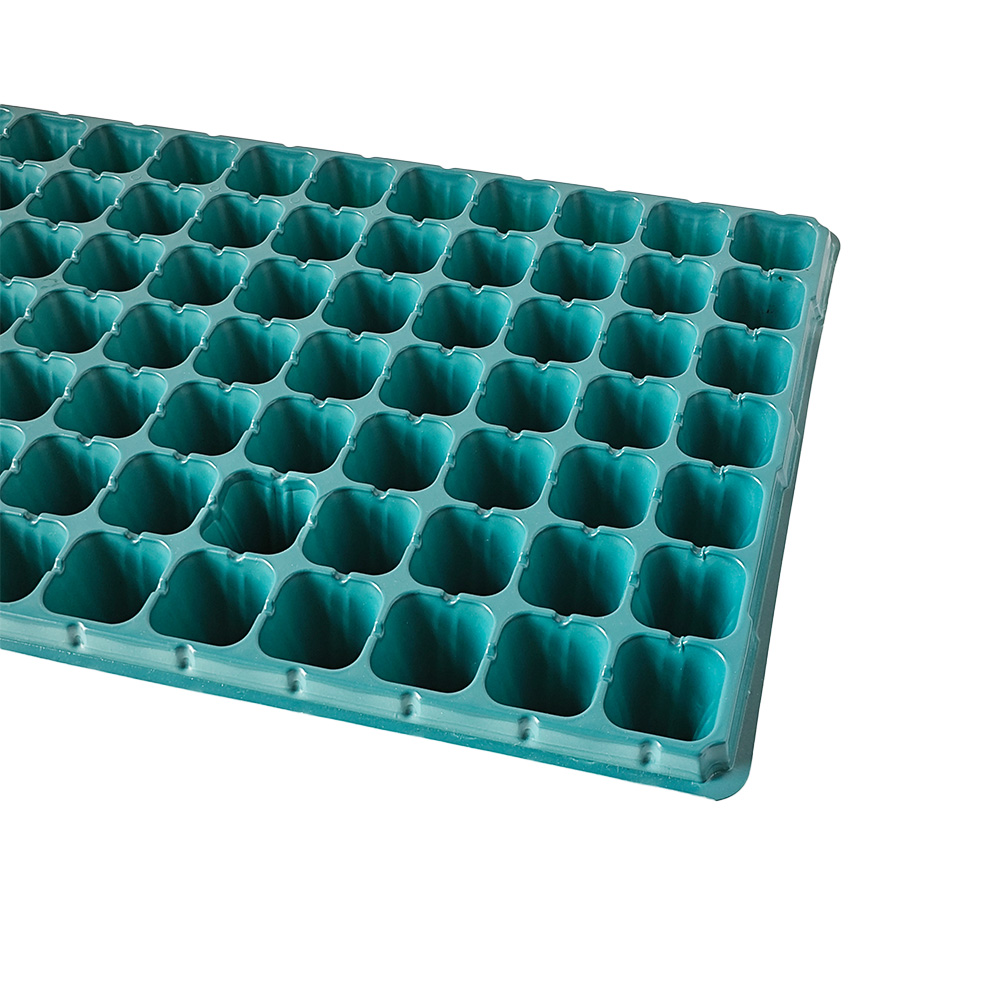
105-cell plug tray layout for high-density seed starting
Dark green color option for nursery batch and market differentiation
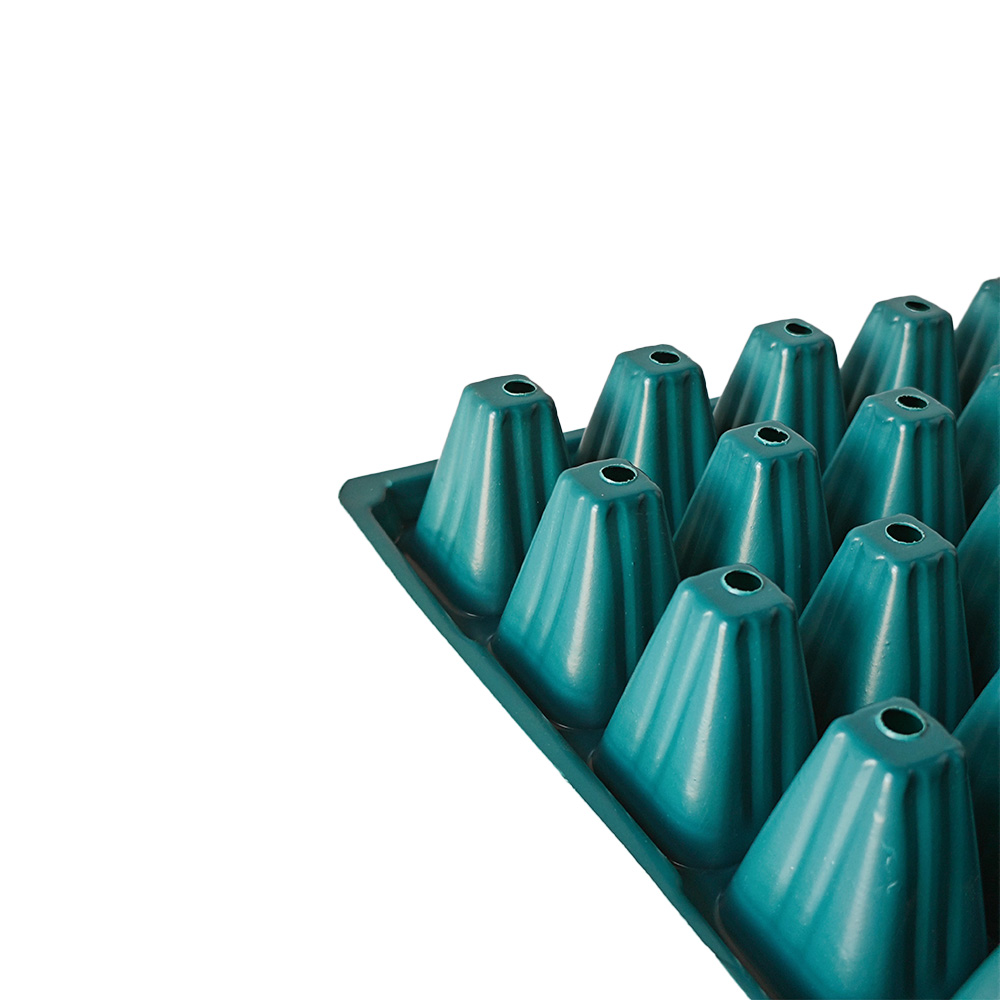
Bottom drainage holes for practical water management
Suitable for greenhouse growers, nursery farms, transplant suppliers, and distributors
Wholesale packing, OEM color, thickness, carton, and label requirements can be discussed
The 105 cell plug tray is designed for nursery seed starting, greenhouse propagation, and high-density plug production. This layout helps growers produce more seedlings per tray when smaller cavities are suitable for the crop, nursery cycle, and transplant schedule. For B2B buyers, the dark green color can support batch separation, distributor product lines, or market-specific color preferences. PET plastic is listed as the material, while the main purchasing logic should focus on cell count, tray size, cavity depth, drainage, thickness, packing quantity, and order volume.
105 Cell Plug Tray Key Specifications
Product type
Plug tray / seedling tray / seed starter tray
Cell count
105 cells
Color
Dark green
Material
PET plastic
Drainage
Bottom drainage holes
Application
Nursery seed starting, greenhouse propagation, vegetable and flower plugs
Supply type
Wholesale, OEM color, custom thickness, and packing options
Application Scenarios for Nursery Buyers
This 105 cell seedling tray is suitable for commercial seedling nurseries, greenhouse farms, agricultural distributors, and transplant suppliers. It can be used for vegetables, herbs, flowers, and other seedlings where high tray density and organized plug production are important. Compared with 72-cell trays, a 105-cell plug tray increases seedling quantity per tray. Buyers should confirm whether the crop needs larger root space or whether higher tray density is more important for the production plan.
Drainage, Packing, and Distributor Handling
Each cavity includes a bottom drainage hole to help reduce excess water retention and support more stable propagation conditions. The tray is lightweight and stackable, helping reduce storage space and support carton packing for wholesale shipments. For distributors and importers, color, thickness, tray weight, carton quantity, label requirements, and packing method should be confirmed before production. These details help match the tray to local market expectations and logistics requirements.
Wholesale Supply and OEM Options
HGDN supplies plug trays for nursery growers, greenhouse farms, transplant producers, planting material importers, and agricultural supply distributors. Bulk orders can be discussed according to cell count, tray dimensions, cavity depth, color, material, thickness, packing quantity, carton label, and destination market. To prepare a quotation, please confirm the required tray size, cavity depth, color, thickness or weight, order quantity, packing method, and destination port.
105 Cell Plug Tray FAQ
What is a 105 cell plug tray used for?
A 105 cell plug tray is used for high-density seed starting and nursery plug propagation. It is suitable for greenhouse growers and nurseries that need more seedlings per tray before transplanting.
Is a 105 cell plug tray suitable for vegetables and flowers?
Yes. It can be used for many vegetable seedlings, herbs, bedding plants, and flower plugs. Buyers should confirm whether the crop can grow well in smaller cavities before transplanting.
How should buyers choose between 72 cell and 105 cell trays?
Choose 72 cell trays when seedlings need more root space and choose 105 cell trays when higher production density is more important. The decision should match crop type, nursery cycle, and transplant size.
Can the color and thickness be customized for wholesale orders?
For B2B orders, color, thickness, packing quantity, carton label, and other OEM details can usually be discussed according to order quantity and production requirements.
What should importers confirm before placing an order?
Importers should confirm tray dimensions, cavity depth, material, thickness, color, packing quantity, carton size, label requirements, order volume, and destination port before quotation.