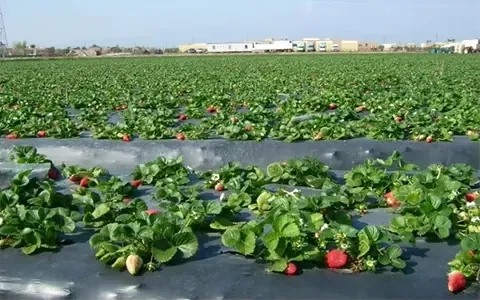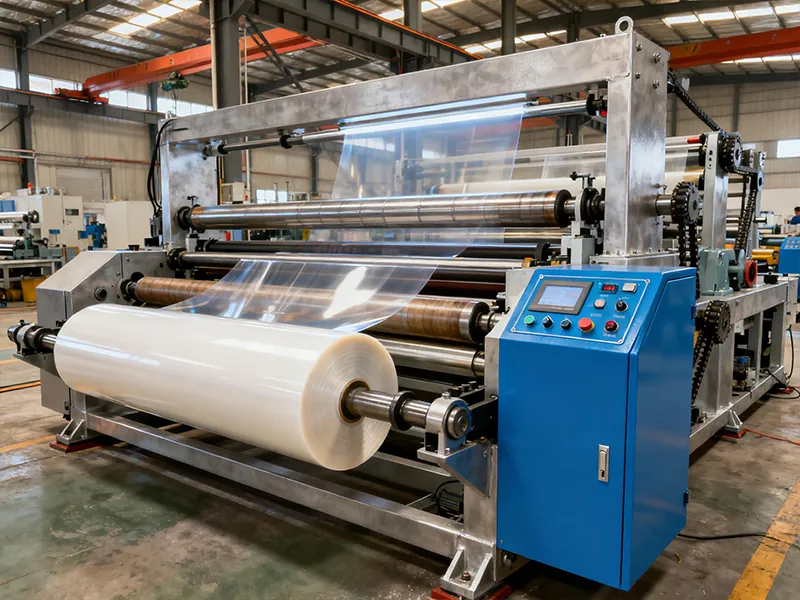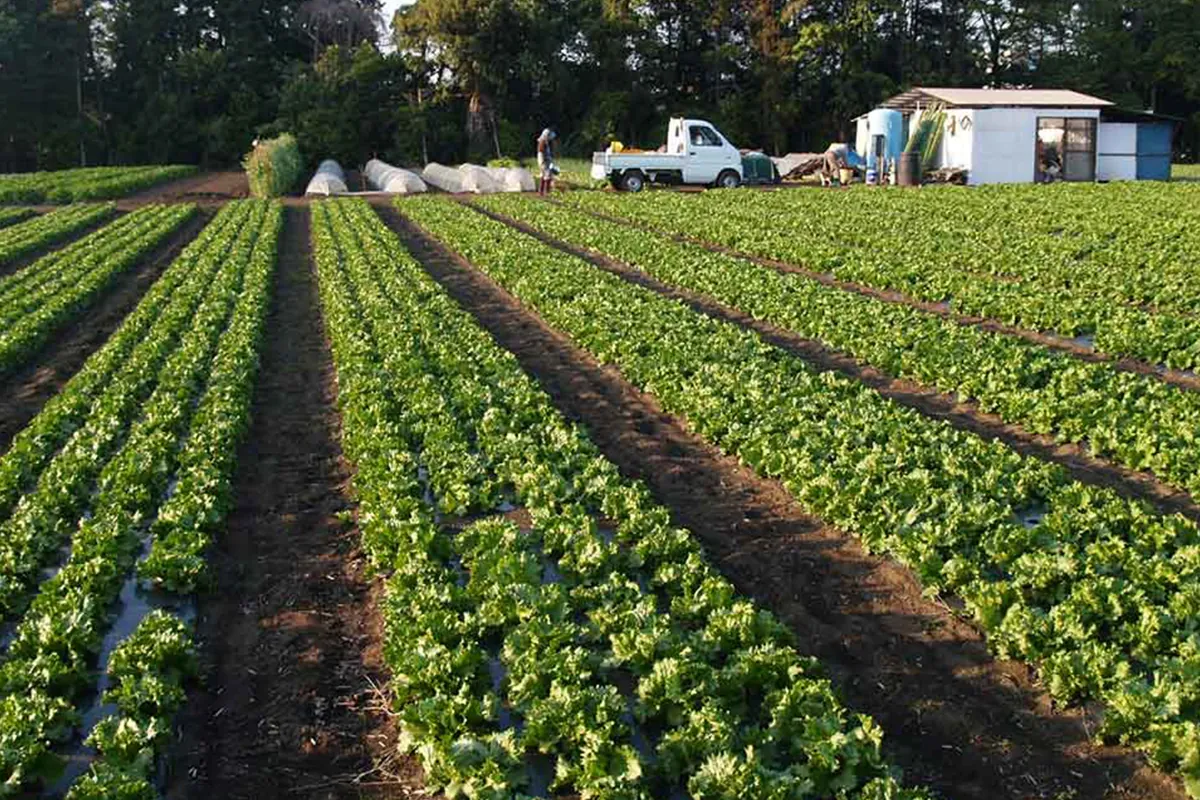
Selecting greenhouse film is not only a matter of choosing thickness, size, or material type. For growers and agricultural businesses, local climate conditions directly influence how greenhouse structures perform throughout the production cycle. When discussing requirements with a supplier, climate data provides valuable information about temperature changes, solar radiation, rainfall, humidity, and seasonal challenges. At HGDN, we use these details to help business customers identify suitable greenhouse film solutions for different cultivation environments.
Climate Information Creates More Accurate Greenhouse Film Requirements
Every growing region presents different environmental conditions. A greenhouse located in a high-radiation area may experience stronger UV exposure, while another location may require better insulation because of colder seasons. Without climate data, suppliers may only provide general recommendations that do not fully match the actual operating environment.
For commercial greenhouse farming, understanding local weather patterns helps buyers communicate more specific requirements. Information such as annual sunlight intensity, average temperature range, wind conditions, and rainfall levels can influence decisions about film durability, light transmission, and protective features.
When customers share detailed climate information, we can better understand the challenges their greenhouse systems need to manage. This makes supplier discussions more efficient because the conversation moves from general product selection toward practical application needs.
UV Resistant Greenhouse Plastic Sheeting Supports Long-Term Performance
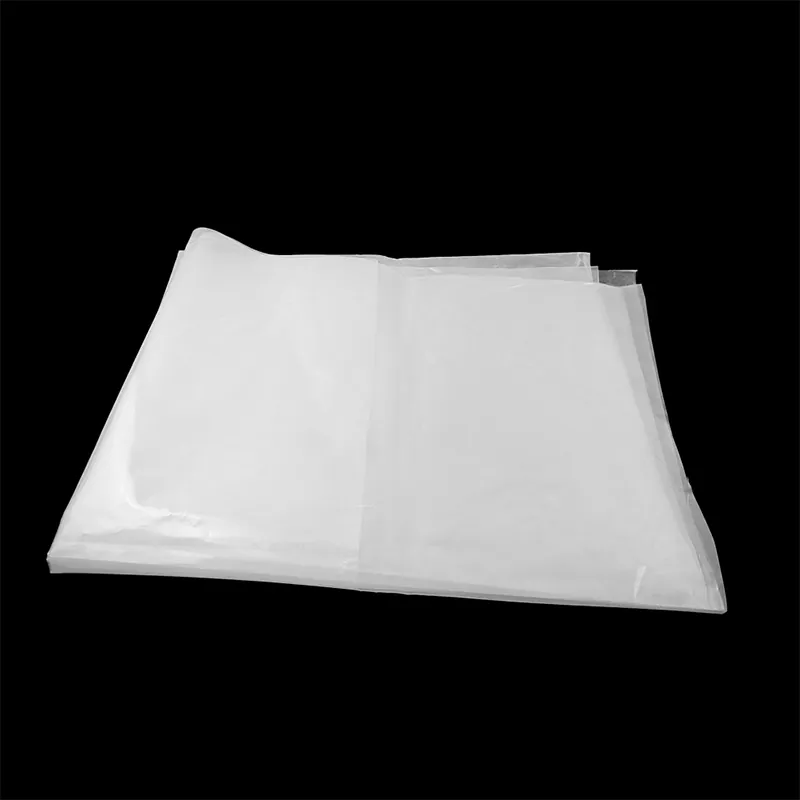
Solar radiation is one of the most important factors affecting greenhouse film performance. Continuous exposure to ultraviolet rays can accelerate material aging, reducing service life and affecting greenhouse operation. Therefore, growers in areas with strong sunlight often need UV resistant greenhouse plastic sheeting designed for extended outdoor use.
At HGDN, we produce multi-span greenhouse PO/PE film with UV resistance using 100% virgin PE/PO materials combined with UV stabilizers. Our greenhouse film series uses premium metallocene raw materials and advanced 3/5/7-layer co-extrusion technology to improve durability and support stable greenhouse conditions.
The UV resistance capability is especially important for large-scale agricultural projects. Our UV resistant greenhouse plastic sheeting is designed to provide 3–5 years of durability even in high-radiation zones. By considering local UV exposure levels before purchasing, growers can select a film structure that better matches their operational expectations.
Weather Data Helps Suppliers Recommend Suitable Film Features
Climate data includes more than sunlight conditions. Temperature fluctuations, humidity, and precipitation also affect greenhouse performance. For example, growers operating in colder regions may prioritize insulation properties, while those in humid areas may need solutions that help manage moisture-related issues.
During supplier discussions, climate information helps determine which greenhouse film characteristics should receive more attention. Light diffusion, anti-drip performance, insulation ability, and mechanical durability can all influence greenhouse efficiency.
For commercial greenhouse farming, these considerations are closely connected with production goals. A suitable film choice can help maintain a more stable internal environment, allowing growers to better manage crop growth conditions throughout changing seasons.
How Buyers Can Prepare Before Discussing Greenhouse Film
Before contacting a supplier, buyers can collect several types of climate information to make the discussion more productive. Historical temperature records, average annual rainfall, local solar radiation levels, and extreme weather conditions can provide a useful reference.
It is also important to consider greenhouse design factors, including structure type, location, and cultivation plans. A multi-span greenhouse used for large-scale production may have different requirements compared with a smaller greenhouse designed for seasonal cultivation.
At HGDN, we consider both environmental conditions and application requirements when communicating with customers. Our goal is to help buyers understand how greenhouse film features relate to their specific growing environments rather than selecting materials based only on standard specifications.
Matching Greenhouse Film Selection with Commercial Greenhouse Farming Goals
The purpose of climate-based selection is to create a better match between greenhouse film performance and production objectives. Different crops, regions, and greenhouse systems may require different balances between light transmission, protection, and durability.
For commercial greenhouse farming, reliable greenhouse materials are an important part of maintaining consistent agricultural operations. Our greenhouse sheeting is engineered to provide superior light transmission while helping greenhouses withstand challenging weather conditions.
By combining climate information with professional supplier guidance, growers can make clearer decisions about film specifications. Factors such as UV protection, insulation requirements, and environmental resistance become easier to evaluate when they are connected with real local conditions.
Building Better Supplier Communication Through Climate-Based Planning
Climate data gives buyers and suppliers a shared foundation for discussing greenhouse film requirements. Instead of focusing only on product names or general specifications, both sides can evaluate how materials will perform in a particular environment.
At HGDN, we work with agricultural businesses that need reliable greenhouse film solutions for different production scenarios. Our multi-span greenhouse PO/PE film combines virgin PE/PO materials, UV stabilizers, and multi-layer co-extrusion technology to address common challenges such as rapid aging, dripping, and poor insulation.
When selecting UV resistant greenhouse plastic sheeting, understanding the local climate helps businesses improve purchasing decisions and reduce uncertainty. A detailed evaluation of environmental conditions allows greenhouse operators to choose materials that better support long-term cultivation plans.
Making Climate Data Part of Smarter Greenhouse Investment Decisions
Greenhouse film selection is closely connected with climate conditions, production scale, and operational goals. By bringing accurate environmental information into supplier conversations, buyers can identify solutions that better fit their agricultural requirements.
For businesses involved in commercial greenhouse farming, climate-based planning creates a stronger foundation for greenhouse construction and future production. At HGDN, we provide greenhouse film solutions designed around real application needs, and we welcome customers to contact us for professional recommendations and customized greenhouse film support.