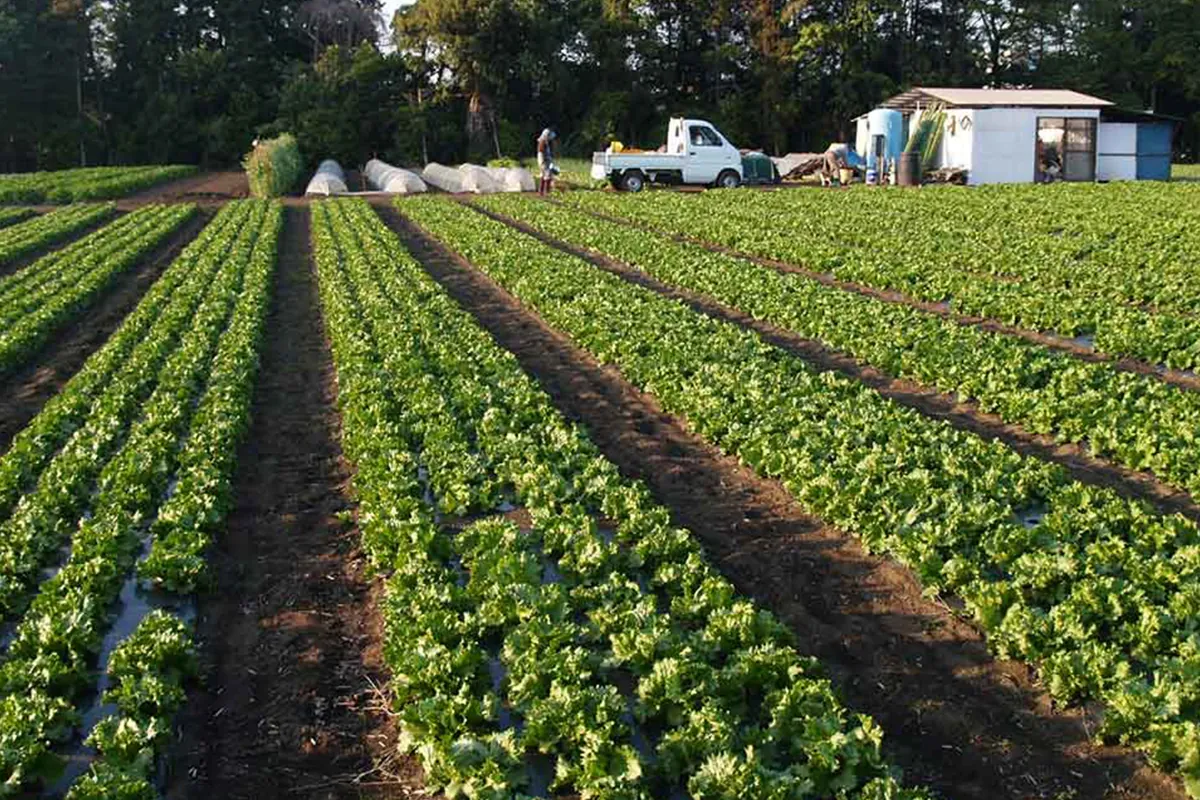
A greenhouse film trial is an important step for growers who want to evaluate whether a new covering material can improve crop performance, environmental control, and long-term production efficiency. Instead of relying only on visual impressions, growers should collect clear field data throughout the trial period. Recording factors such as light conditions, temperature changes, crop development, and durability helps businesses make informed decisions before large-scale installation.
At HGDN, we understand that selecting the right covering material is a strategic decision for commercial growers and agricultural distributors. A successful trial requires more than installing a new film; it requires a structured evaluation process. By monitoring key indicators, growers can better understand how agricultural plastic sheeting performs under specific climate and cultivation conditions.
Establishing a Clear Trial Checklist Before Installation
Before starting a greenhouse film trial, growers should define what they want to measure. Different crops and locations may have different priorities, such as improving light diffusion, reducing heat stress, maintaining temperature stability, or extending film service life.
A practical checklist should include installation date, greenhouse location, crop type, weather conditions, and the specifications of the tested material. Recording these basic details creates a reliable reference for comparing performance over time.
For businesses evaluating clear greenhouse film, documenting the initial greenhouse environment is especially important. Factors such as existing covering materials, ventilation systems, and seasonal climate patterns can influence trial results. A detailed starting record allows growers to identify whether changes come from the film itself or other production adjustments.
Monitoring Light Transmission and Crop Response
Light management is one of the most important factors during a greenhouse film trial. Growers should record daily or weekly observations related to sunlight conditions, plant appearance, and crop growth patterns.
A high-quality clear greenhouse film is designed to support sufficient light availability while helping manage environmental challenges. During a trial, growers can monitor leaf development, flowering progress, fruit quality, or overall plant uniformity to understand how the material affects crop performance.
At HGDN, we focus on developing greenhouse solutions that balance protection and light transmission. Our UV-resistant greenhouse plasticfilm solutions are designed for agricultural environments where maintaining stable growing conditions is essential. Careful field records help growers evaluate these benefits based on real production results.
Tracking Temperature, Humidity, and Seasonal Conditions
Environmental data provides valuable information about greenhouse performance. During a film trial, growers should regularly record internal temperature, humidity levels, and differences between daytime and nighttime conditions.
These measurements help determine whether the tested material supports better climate management. For example, improved thermal insulation may help reduce temperature fluctuations during colder periods, while suitable light control may help manage heat accumulation during intense summer conditions.
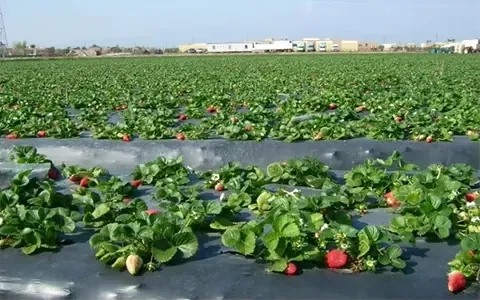
Agricultural plastic sheeting plays an important role in creating a controlled growing environment. However, its effectiveness depends on local climate, greenhouse structure, and crop requirements. Detailed environmental records allow growers to assess whether a film solution matches their specific operating conditions.
Recording Film Durability and Maintenance Requirements
A greenhouse film trial should also include observations about physical performance. Growers should check for issues such as surface damage, stretching, dust accumulation, condensation behavior, and changes in transparency.
These records are useful because film durability influences replacement cycles and overall operating costs. A material that maintains performance over time can provide greater value for commercial growers managing large greenhouse areas.
Regular inspections also help identify installation-related problems. Proper tension, frame compatibility, and handling procedures can affect how greenhouse coverings perform. Recording maintenance needs provides additional insight into the total ownership experience.
Spanish Greenhouse Flower Project: Evaluating Film Performance in Real Conditions
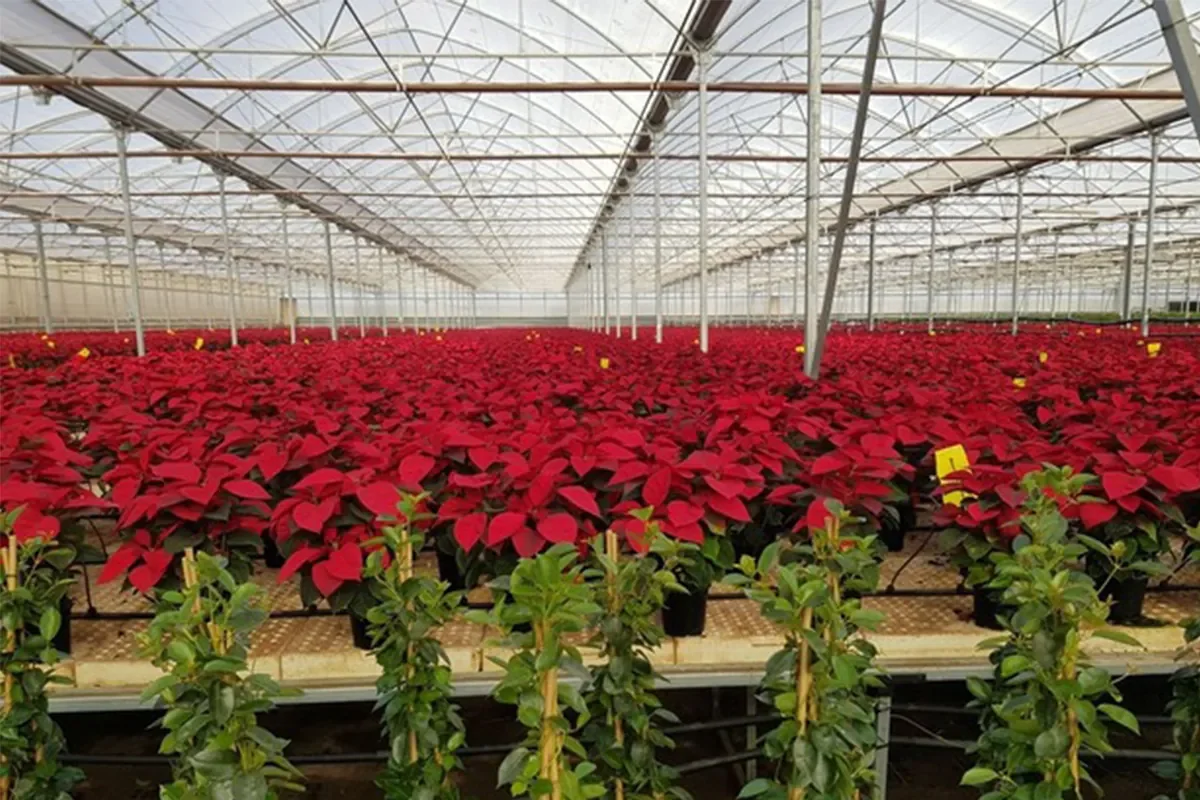
A practical example comes from Flora Gardens, a family-run flower farm in southern Spain managing more than 20 hectares of modern greenhouses. The region experiences strong Mediterranean summer UV radiation and occasional winter cold, creating challenges for rose and carnation production.
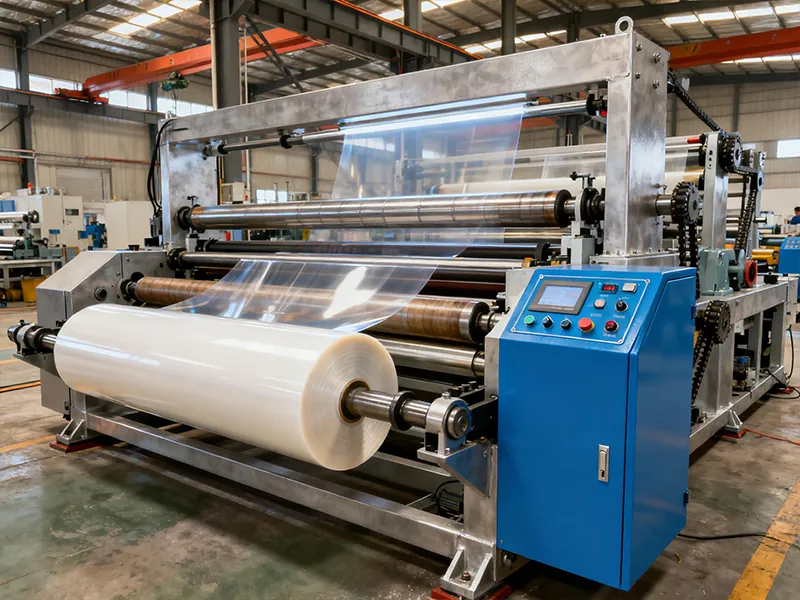
To address these conditions, we provided our highly transparent UV-resistant greenhouse plasticfilm. This premium clear greenhouse film was designed to help block harmful UV rays while maintaining excellent light transmission and thermal insulation. As a high-performance agricultural plastic sheeting solution, it supports modern plastic film applications for commercial cultivation.
During the first year after implementation, Flora Gardens reported a 15% increase in flower production. The growers also observed improvements in bloom color and uniformity. One grower shared that the film provided “perfect protection and optimal light” needed to remain competitive in the market.
This project demonstrates why field records are valuable. By tracking crop output, environmental conditions, and product performance, growers can clearly evaluate whether a greenhouse covering solution delivers measurable benefits.
Turning Trial Data into Better Purchasing Decisions
For commercial growers and distributors, trial results provide important guidance when selecting greenhouse materials. A structured evaluation process reduces uncertainty and helps businesses choose solutions that fit their production goals.
We encourage customers to record both measurable data and practical observations throughout their greenhouse film trials. Combining environmental measurements with crop feedback creates a more complete understanding of product performance.
At HGDN, we work with global agricultural partners to provide reliable greenhouse covering solutions based on real cultivation needs. Our experience with agricultural plastic sheeting and clear greenhouse film allows us to support customers seeking stable quality, factory-direct value, and long-term cooperation. We welcome growers and distributors worldwide to contact us for customized greenhouse film solutions.