Agricultural film plays an important role in modern farming systems, but its performance depends on more than production quality alone. Proper storage before installation is a key factor that can influence film handling, durability, and field application results. For growers, distributors, and agricultural businesses, understanding storage requirements helps protect purchased materials and ensures they are ready when installation begins.
At HGDN, we understand that agricultural projects often involve planning months ahead of actual use. Whether customers are preparing greenhouse coverings or ground protection solutions, correct storage practices help maintain product conditions during the period between delivery and installation. We work with partners to provide practical film solutions while supporting better management throughout the supply process.
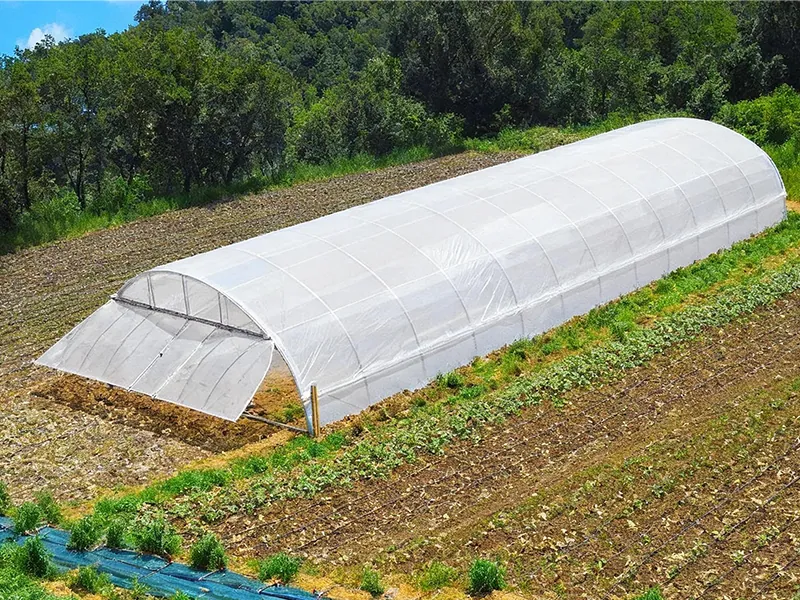
Why Proper Agricultural Film Storage Matters Before Use
After delivery, agricultural film may remain stored for weeks or months before being installed. During this time, environmental conditions can affect the material if storage practices are not properly managed. Exposure to sunlight, moisture, heat, or physical damage may influence the film’s appearance and handling characteristics.
For commercial growers and distributors, storage is an important part of product management. A high-quality film requires proper protection from the moment it arrives at the warehouse until it is placed in the field. Maintaining suitable storage conditions allows customers to reduce unnecessary risks and prepare materials according to their planting schedules.
Before installation, buyers should inspect packaging conditions and confirm that rolls remain protected. Checking storage areas in advance helps ensure that the film can be transported and installed efficiently when needed.
Key Storage Conditions Buyers Should Consider
Temperature control is one of the first factors buyers should evaluate. Extreme heat can affect stored plastic materials, especially when products are exposed to direct sunlight for extended periods. Storage areas should ideally provide shade and protection from excessive temperature changes.
Moisture management is also important. Although many agricultural films are designed for outdoor farming environments, long-term exposure to water during storage may affect packaging and handling. Keeping film rolls in dry, clean storage areas helps maintain better product conditions before use.
Physical protection should not be overlooked. Heavy objects placed on rolls or improper stacking methods may create pressure points that make handling more difficult. Warehouses and distribution centers should organize storage layouts carefully to avoid unnecessary damage.
Organizing Agricultural Film Inventory Efficiently
For agricultural businesses managing multiple orders, inventory organization can improve installation preparation. Labeling rolls with product information, delivery dates, specifications, and intended applications allows teams to identify materials quickly when projects begin.
At HGDN, we support customers by providing agricultural film solutions designed for different farming applications. Clear product information helps partners manage inventory more effectively and connect specific products with their planned agricultural use.
A well-organized storage system is especially valuable for distributors handling various customer requirements. Similar-looking products may have different thicknesses, widths, or intended applications, so accurate records help prevent mistakes during delivery and installation.
Preparing Film Rolls Before Installation
Before installation begins, buyers should conduct a basic inspection of stored film rolls. Checking for visible damage, packaging issues, or unexpected changes helps identify potential concerns before the material reaches the field.
Installation teams should also confirm that the film specifications match the original order requirements. Details such as size, thickness, and application purpose should be reviewed before use. This step helps ensure that the material selected for the project matches the planned agricultural conditions.
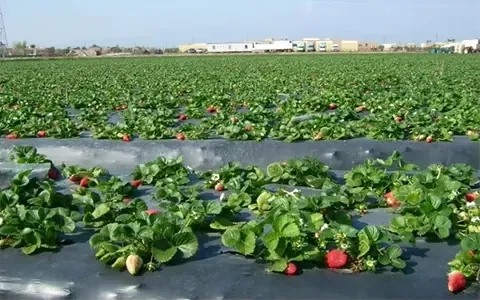
For weed control and water conservation applications, we recommend our black mulch film or black and white mulching sheet. The black layer blocks sunlight, helping prevent weed growth, while the non-porous design significantly reduces water evaporation. This makes the film suitable for farms operating in dry climates where moisture management is an important consideration.
Supporting Crop Management Beyond Film Selection
Agricultural operations often combine different tools and materials to improve efficiency. While agricultural film helps manage soil conditions, other supplies such as nursery trays for plants can support organized seedling production and transplantation processes.
Using nursery trays for plants allows growers to manage young plants in a controlled environment before moving them into larger growing areas. When combined with appropriate mulching solutions, these practices can help create a more structured cultivation workflow.
At HGDN, we focus on providing practical agricultural materials that support different stages of farming operations. We understand that successful crop production depends on many connected factors, from early plant preparation to field management and material storage.
Creating Reliable Supply Plans with Better Storage Practices
For agricultural businesses, storage planning should be included as part of the purchasing process. Buyers should consider available warehouse space, expected installation schedules, and handling procedures before placing large orders.
Working with experienced agricultural film suppliers can also improve preparation. Clear communication about product specifications, delivery timing, and storage requirements helps both suppliers and buyers coordinate more effectively.
Long-term planning is particularly important for farms and distributors managing seasonal demand. By preparing storage conditions in advance, businesses can make better use of purchased materials and reduce delays during busy planting periods.
Building Better Results Through Careful Film Management
Proper storage is an essential step between purchasing and installation. Even well-manufactured products require suitable handling to maintain their intended performance. By protecting rolls from environmental exposure, organizing inventory clearly, and checking materials before use, buyers can improve installation efficiency and project preparation.
At HGDN, we provide agricultural film solutions designed to support modern farming needs, including black mulch film and black and white mulching sheet options for weed suppression and water conservation. We work with agricultural partners to deliver reliable materials and help customers prepare their products from storage to installation for successful cultivation projects.