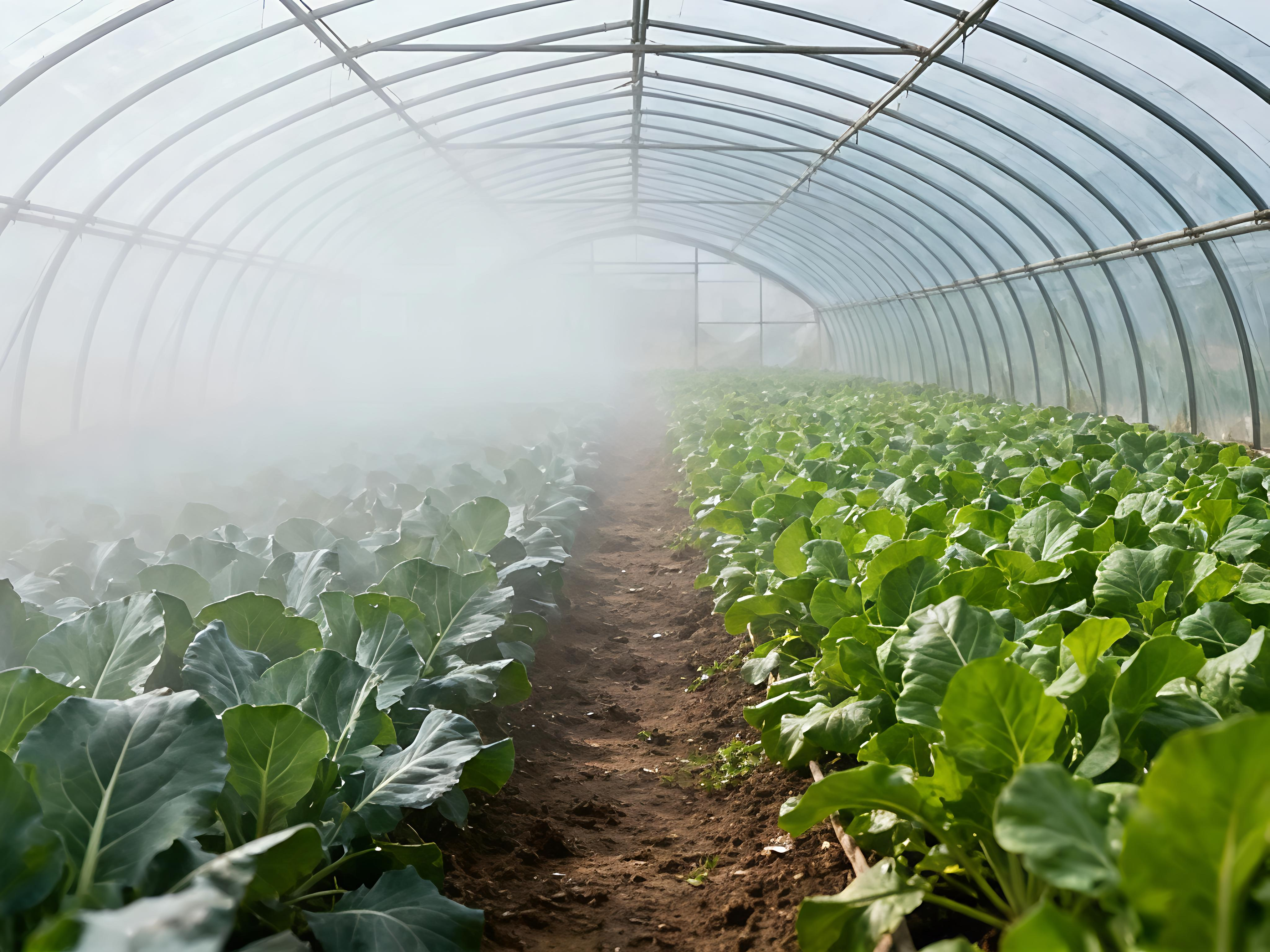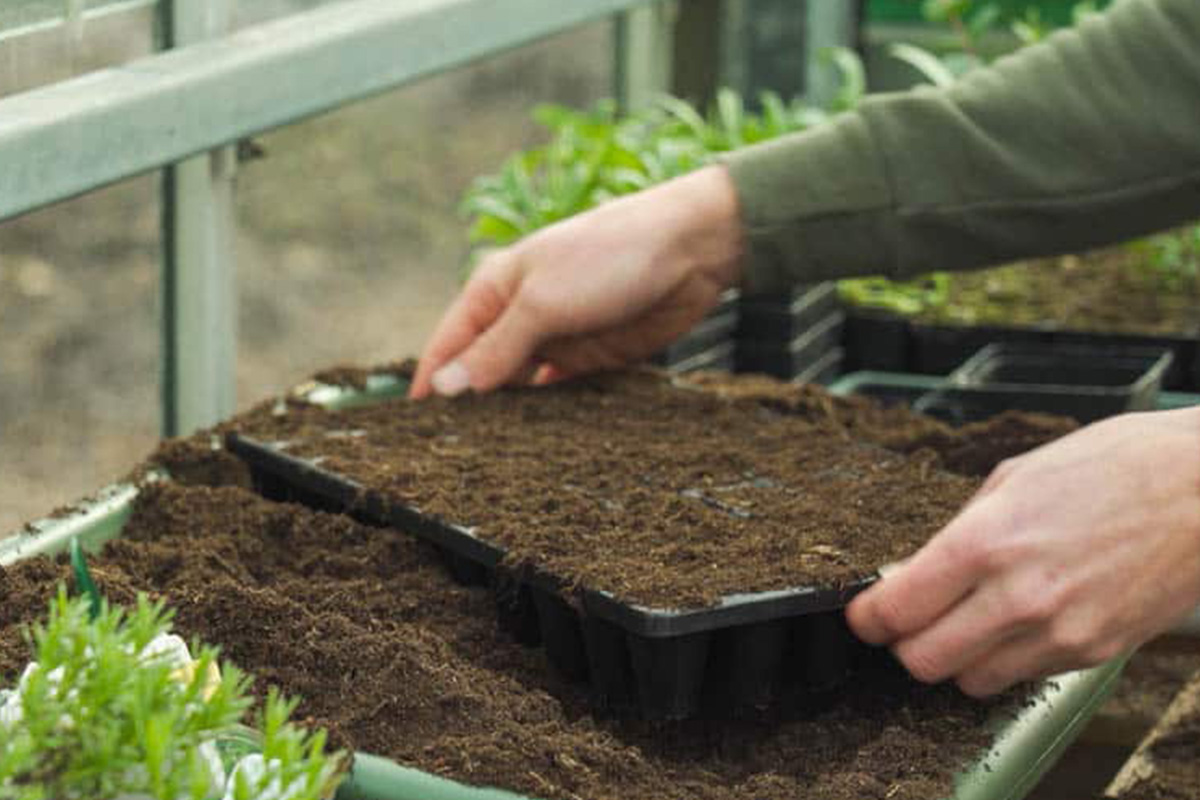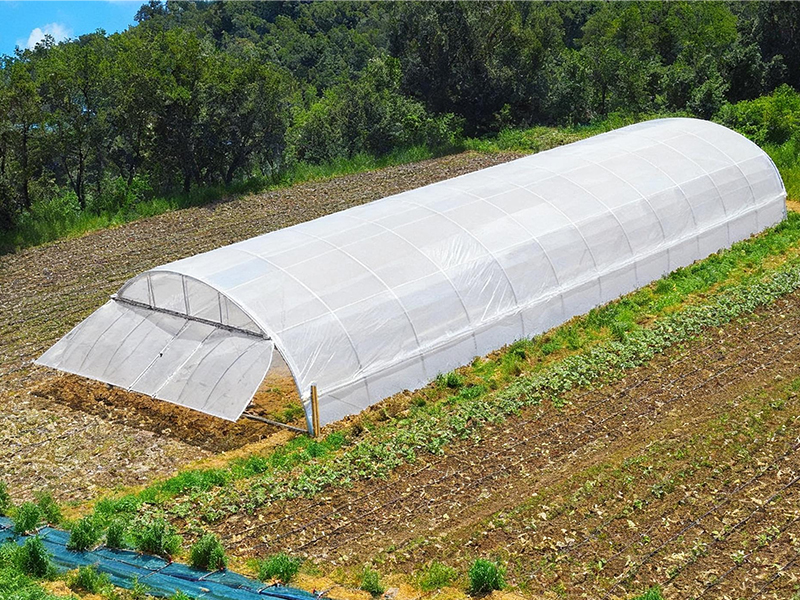
Protected cultivation relies heavily on selecting appropriate covering materials to create an optimized environment for high-value crops. As experienced agricultural film manufacturers, we understand that selecting the right external barrier directly influences your seasonal yield, water conservation, and pest management. Essentially, greenhouse sheeting refers to specialized, heavy-duty translucent plastic layers used to clad agricultural structures, shielding vegetation from harsh external weather elements while allowing vital sunlight to penetrate. It matters immensely for your farm because it stabilizes internal ambient temperatures, prevents sudden frost damage, and extends your natural growing seasons significantly. Without this controlled microclimate, crops remain fully exposed to unpredictable atmospheric shifts, which can diminish total farm productivity and compromise overall plant health.
Technological Framework of Modern Agricultural Covers
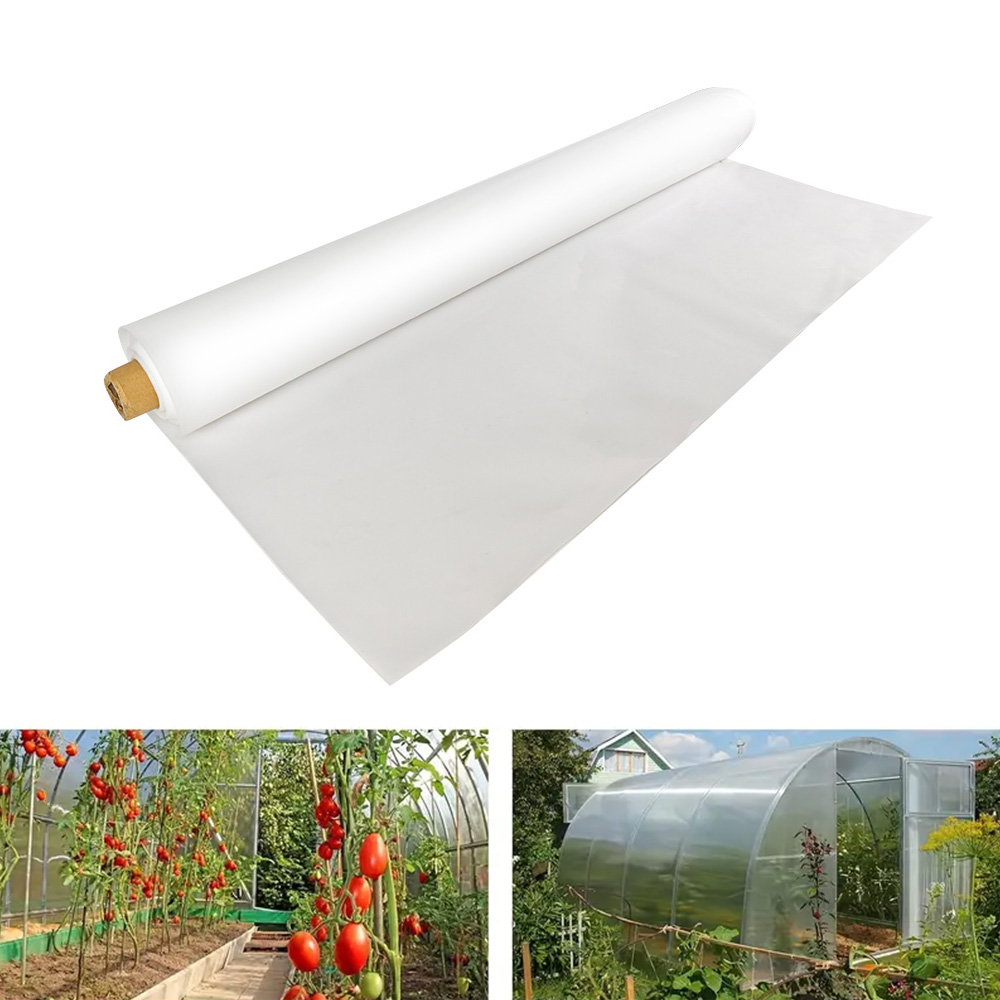
The engineering behind advanced covering materials focuses on maximizing solar performance and structural durability in diverse climatic regions. As a dedicated greenhouse film manufacturer, we utilize advanced multi-layer co-extrusion technology to combine specific polymers with high-grade functional additives. Our specialized UV-resistant greenhouse film roll is specifically designed to diffuse intense sunlight, preventing localized hot spots and ensuring uniform light distribution across the entire plant canopy. This specific formulation prevents structural degradation caused by prolonged solar exposure, ensuring the material remains flexible and highly transparent over multiple seasons. By adjusting the chemical composition of each layer during the extrusion process, we can optimize thermal retention and minimize condensation buildup, which reduces the overall risk of fungal diseases within the enclosed cultivation environment.
Operational Guidelines for Maintaining Light Transmission
Achieving consistent results from your protective structures requires proper physical maintenance and strategic crop management throughout the operational cycle. For overhead installations, it is critical to clean dust and snow from your agricultural plastic film promptly to maintain optimal light transmission. Additionally, before and after strong winds, check the pressure wires on reinforced greenhouse film to prevent flapping or tearing. Ground management requires equal diligence; you should immediately repair any holes in plastic mulch film with specialized tape to maintain insulation performance. During hot weather, install a shade net when using our protective materials to shield crops from intense sunlight and high temperatures. Furthermore, at night, cover our biodegradable agricultural mulch film with insulating blankets or straw mats to minimize heat loss, and after the growing season, carefully remove our biodegradable mulch, clean and dry it, then store it in a cool, dark place to prevent degradation.
Conclusion
Understanding what modern covering materials are and how they protect your crops is essential for optimizing long-term farm efficiency. At HGDN, we provide global commercial growers with reliable protection systems manufactured on advanced round looms, warp knitting machinery, and imported Swiss projectile looms. Our entire production process complies with stringent European and North American regulatory benchmarks, fully meeting CE, REACH, and BSCI certification requirements. We ensure efficient supply chains by maintaining a reliable 15-to-20-day delivery timeline for volume commercial orders. To guarantee seamless operations, our technical support team remains available 24 hours online, backed by dependable 3-to-10-year structural warranties tailored to specific material grades. Investing in properly engineered greenhouse sheeting ultimately secures your crop development, reduces resource waste, and ensures predictable harvesting schedules year after year.