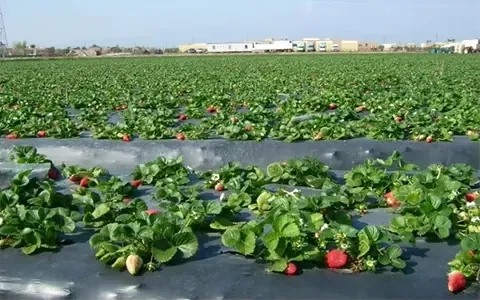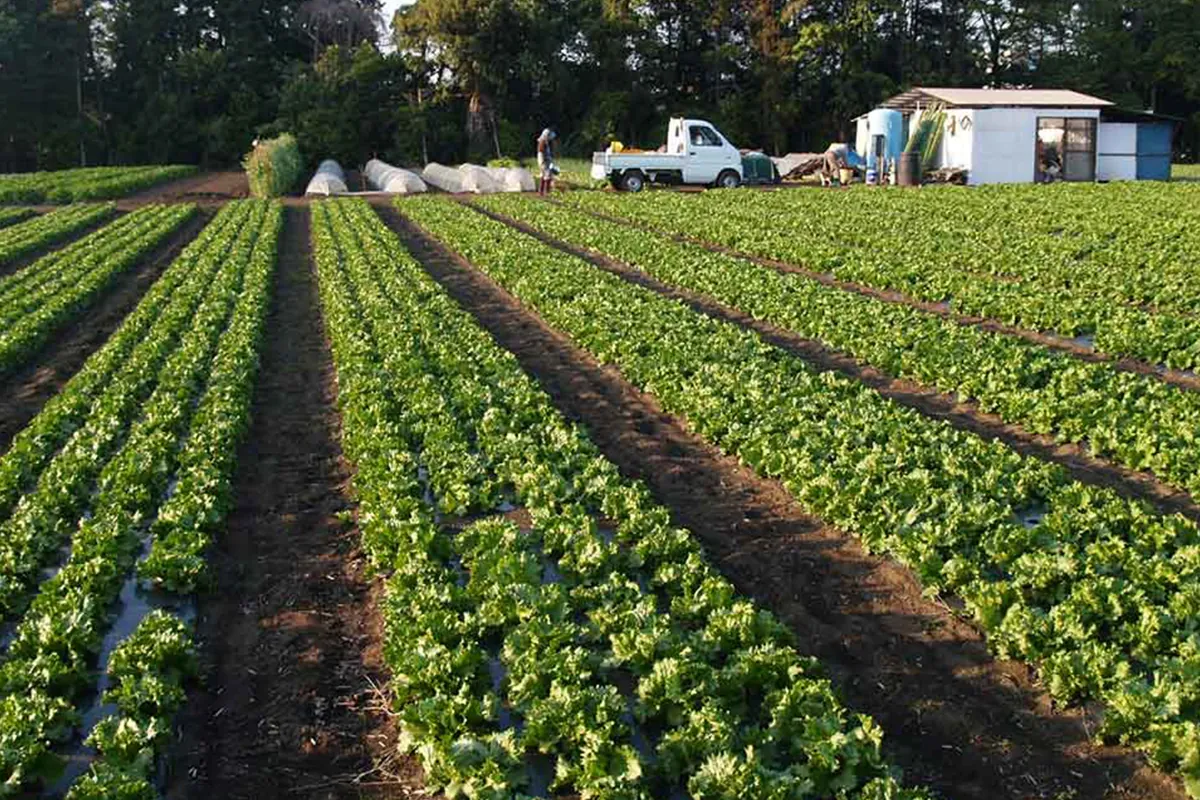
Agricultural production depends on many factors, from soil conditions and irrigation methods to crop management practices and field protection solutions. Among these solutions, mulch films play an important role in helping growers manage soil environments and improve cultivation efficiency. Different film colors can influence light reflection, heat absorption, weed control, and crop growth conditions.
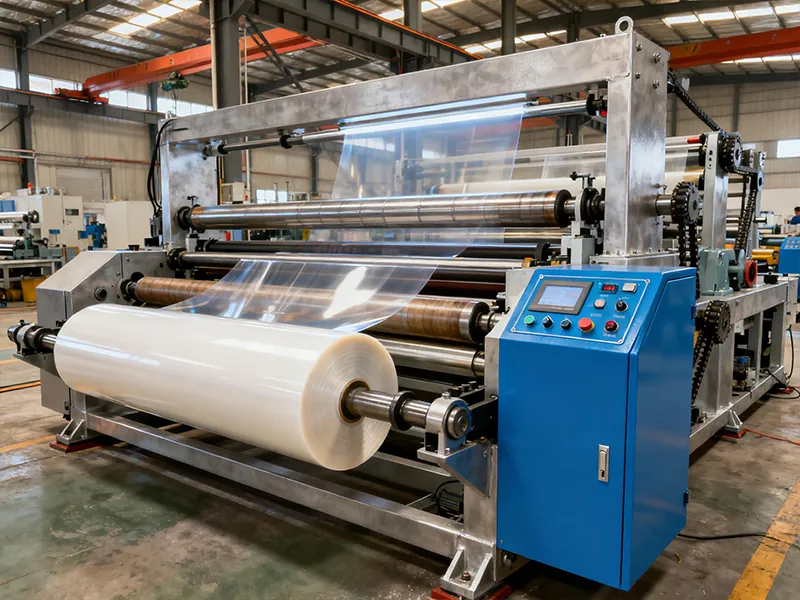
At HGDN, we understand that choosing the right agricultural film requires more than selecting a material thickness or size. Color performance is also an important consideration for growers and agricultural distributors. Black-and-white mulching sheets combine two different surface functions, providing a practical option for farms seeking improved field management. As an experienced plastic mulch manufacturer, we focus on developing reliable solutions that support modern farming needs.
Understanding the Structure of Black-and-White Mulching Shee
A black-and-white mulching sheet is a type of agricultural film designed with different colors on each side. Typically, the black surface faces the soil while the white surface faces upward toward sunlight. This dual-color structure allows the film to provide different benefits simultaneously.
The black layer is commonly used for blocking sunlight from reaching the soil surface. By reducing light penetration, it helps limit weed growth around crops and reduces competition for water and nutrients. The white layer reflects more sunlight, which can influence soil temperature management and create a different growing environment compared with traditional dark-colored films.
For commercial growers, the combination of these functions makes black-and-white mulch film a useful option for various cultivation systems. Instead of relying on a single-color material, farmers can use a film designed to address multiple field conditions through its surface properties.
Why Color Matters in Agricultural Film Selection
Color is an important design factor in agricultural film because different colors interact with sunlight in different ways. When sunlight reaches a mulch film surface, some energy is reflected while some is absorbed. These interactions can affect soil temperature, moisture retention, and the surrounding crop environment.
Black mulch film is widely recognized for its ability to absorb solar energy and warm the soil. This characteristic can be beneficial in cooler growing conditions where increased soil temperature may support earlier planting or improved root-zone conditions. However, excessive heat absorption may not be suitable for every crop or climate.
White surfaces work differently by reflecting more sunlight away from the field. In warmer regions or during hotter seasons, this reflective function can help reduce heat accumulation near the soil surface. A black-and-white mulch film combines these contrasting characteristics, allowing growers to balance temperature management and light control.
When selecting agricultural film, buyers should consider local climate, crop type, planting schedule, and field management goals. A suitable color combination can contribute to more efficient cultivation practices.
Comparing Black Mulch Film with Black-and-White Options
Black mulch film remains one of the most commonly used options in agricultural applications because of its simple structure and effective weed suppression. The dark surface blocks light from reaching weeds while helping maintain soil moisture by reducing evaporation.
However, black mulch film absorbs a significant amount of solar radiation. In areas with high temperatures, this may increase soil surface temperatures and create challenges for certain crops. Growers may need to consider additional irrigation or management adjustments depending on their production conditions.
Black-and-white mulching sheets provide a different approach by adding a reflective white surface. The white side helps manage incoming sunlight, while the black side maintains the benefits of light blocking beneath the film. This makes the material suitable for growers looking for a more balanced solution.
At HGDN, we recognize that agricultural businesses have different production environments and market requirements. As one of the experienced plastic mulch manufacturers, we focus on providing films that support diverse farming applications and help customers select suitable solutions based on their needs.
Material Quality and Performance Considerations
While color is important, it is not the only factor that determines mulch film performance. Material quality, thickness, mechanical strength, and environmental resistance also influence product reliability.
High-quality agricultural film should maintain stable performance during field use, including resistance to tearing, stretching, and environmental exposure. Proper material selection helps reduce replacement frequency and supports more efficient farm operations.
At HGDN, we continue to invest in research and development to explore improved agricultural film solutions. Our approach combines material technology with practical farming requirements, allowing us to develop products that meet the expectations of growers, distributors, and agricultural partners.
For businesses sourcing black mulch film or other mulch solutions in large quantities, evaluating both technical specifications and supplier capabilities is essential. Reliable production processes and consistent quality control help ensure that the final products perform as expected in different agricultural environments.
Supporting Sustainable Agriculture Through Innovation
Sustainability has become an important consideration for modern agriculture. Growers and agricultural companies are increasingly looking for solutions that improve efficiency while addressing environmental concerns.
As one of the leading innovative biodegradable mulch film manufacturers and plastic mulch manufacturers, we continue exploring materials and technologies that support more sustainable farming practices. Our journey continues as we invest in R&D to explore the future of smart, sustainable agriculture. We will continue to lead by providing cutting-edge solutions and growing alongside our clients.
Choosing the Right Mulching Solution for Future Farming
Selecting the right mulch film requires a comprehensive understanding of crop requirements, environmental conditions, and production goals. Black-and-white mulching sheets demonstrate how color design can influence the performance of agricultural materials and provide growers with more choices.
For companies purchasing agricultural film, working with a knowledgeable supplier can simplify product selection and improve project outcomes. HGDN combines manufacturing experience, technical development, and customer-focused support to deliver dependable solutions for agricultural applications.
By considering factors such as film color, material quality, and field conditions, growers can make more informed decisions. With continued innovation and close cooperation with agricultural partners, we aim to support efficient, sustainable, and productive farming practices worldwide.