Selecting agricultural materials involves more than comparing product specifications and prices. For buyers sourcing greenhouse films, nursery products, and related agricultural supplies, understanding a supplier’s manufacturing capabilities can provide valuable insight into product consistency, quality control, and long-term reliability. Production equipment often reflects a company’s technical strength and ability to meet the requirements of commercial farming operations.
At HGDN, we believe that transparent communication about manufacturing processes helps buyers make better sourcing decisions. As a plastic film manufacturer, we focus on producing agricultural films with stable performance, reliable quality, and practical value for professional growers and distributors. Understanding how production equipment influences product results allows buyers to evaluate suppliers more effectively.
Why Production Equipment Matters When Choosing a Plastic Film Manufacturer
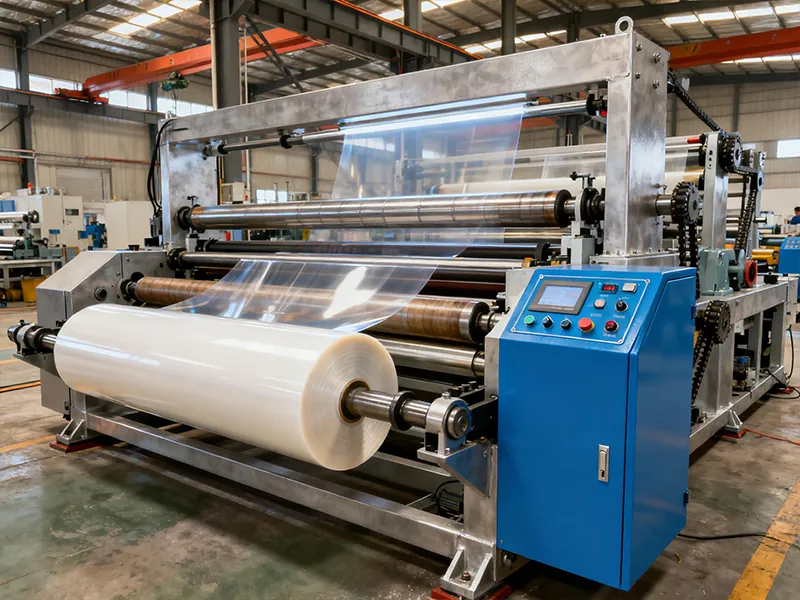
Manufacturing equipment directly affects the quality and performance of agricultural materials. Advanced production lines allow manufacturers to maintain more consistent thickness, improve material mixing, and control film properties during processing. For buyers, this means fewer variations between batches and more predictable performance after installation.
A professional plastic film manufacturer must manage multiple production factors, including raw material preparation, extrusion processes, film forming, cooling, and quality inspection. Each stage can influence the final product’s durability, transparency, and resistance to environmental conditions.
For greenhouse applications, these factors are especially important because covering materials are exposed to sunlight, temperature changes, wind, and moisture over extended periods. Buyers who understand production capabilities can better identify suppliers that are prepared to support demanding agricultural environments.
Extrusion Technology Influences Film Performance
Extrusion equipment is one of the most important parts of agricultural film manufacturing. During extrusion, polymer materials are heated, mixed, and formed into continuous film layers. The accuracy of this process affects the uniformity and overall performance of the finished product.
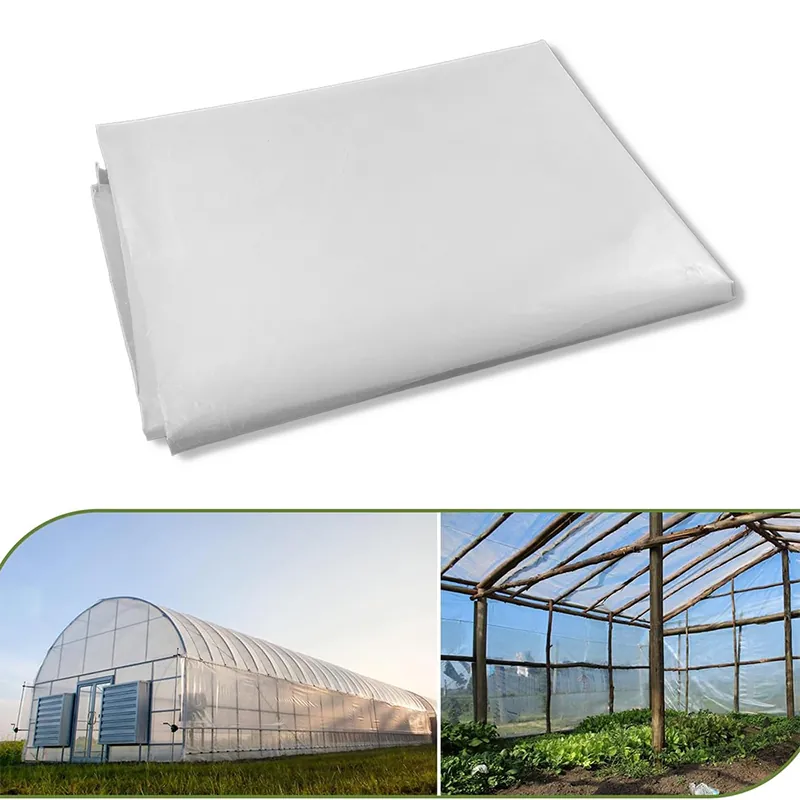
At HGDN, we use production processes designed to support the requirements of commercial greenhouse farming and large-scale greenhouse farming. Our multi-span greenhouse PO/PE film with UV resistance is engineered to provide strong mechanical performance and effective light management.
A well-controlled extrusion process helps create greenhouse sheeting with excellent tensile and puncture resistance. These characteristics allow the film to better withstand challenging weather conditions while maintaining reliable protection for crops.
Quality Control Systems Help Ensure Product Consistency
For agricultural buyers, consistency is often as important as product performance. A film that performs well in one batch but varies significantly in another can create challenges during large-scale projects. Production equipment combined with inspection procedures helps manufacturers maintain stable output.
Manufacturers typically evaluate characteristics such as thickness uniformity, transparency, mechanical strength, and resistance properties during production. These checks help ensure that products meet expected standards before shipment.
When buyers work with a reliable plastic film manufacturer, they gain confidence that future orders can maintain similar quality levels. This is especially important for distributors managing repeated purchases and customers with strict agricultural requirements.
Light Transmission Technology Supports Better Greenhouse Results
Production equipment also influences how greenhouse films manage sunlight. Film formulation, layer control, and manufacturing precision all contribute to optical performance. For growers, light transmission directly affects photosynthesis and crop development.
Our UV-resistant greenhouse plastic sheeting provides over 90% transparency and functions as an effective light diffuser film. This design helps distribute available light more evenly inside greenhouses, supporting improved growing conditions and potentially contributing to earlier harvest times and higher yields.
For buyers comparing greenhouse film suppliers, looking beyond basic appearance and thickness is essential. Understanding how production technology supports optical performance provides a clearer picture of the product’s agricultural value.
What Buyers Can Learn from Manufacturing Capabilities
Production equipment can reveal important information about a supplier’s ability to handle different order requirements. Large-scale agricultural projects often require stable supply, consistent specifications, and dependable delivery schedules. Manufacturers with suitable production infrastructure are better positioned to support these needs.
For businesses sourcing products such as greenhouse films or nursery trays wholesale, supplier evaluation should include questions about manufacturing capacity, quality management, and product development capabilities. These factors help buyers establish stronger partnerships rather than focusing only on short-term purchasing decisions.
At HGDN, we work to provide agricultural materials that meet the expectations of growers, distributors, and professional buyers. By combining manufacturing expertise with practical product design, we support customers looking for dependable agricultural solutions.
Connecting Manufacturing Knowledge with Better Purchasing Decisions
Buyers do not need to become manufacturing specialists to evaluate suppliers, but understanding basic production processes can improve purchasing decisions. Equipment quality, production control, and inspection methods all contribute to the reliability of agricultural products.
For example, a supplier offering nursery trays wholesale may need different production capabilities from a manufacturer producing greenhouse films. However, both require attention to material quality, process control, and customer requirements. Evaluating these factors helps buyers select partners that align with their business goals.
The same principle applies when sourcing greenhouse covering materials. A supplier’s production technology provides valuable information about whether it can deliver consistent performance for commercial agricultural applications.
Building Long-Term Partnerships Through Manufacturing Transparency
Reliable agricultural supply chains depend on trust between manufacturers, distributors, and growers. Sharing knowledge about production capabilities allows buyers to better understand product value and make informed decisions.
At HGDN, we continue improving our manufacturing processes to support the evolving needs of modern agriculture. Our greenhouse film solutions combine high light transmission, UV resistance, and mechanical durability to help professional growers manage challenging cultivation environments.
When buyers understand what production equipment can reveal about a plastic film manufacturer, they can evaluate suppliers from a broader perspective. Contact us to discuss agricultural film solutions designed for your specific application and sourcing requirements.