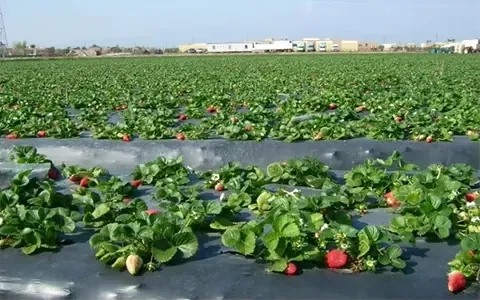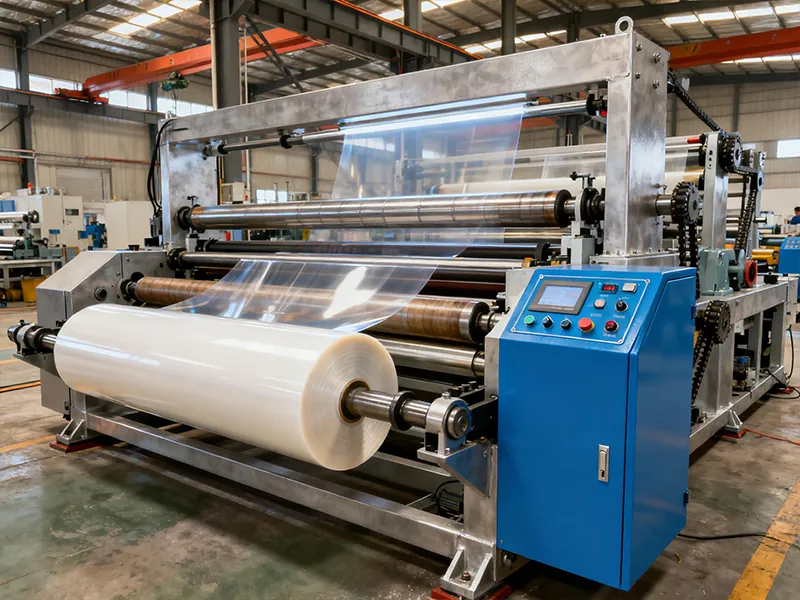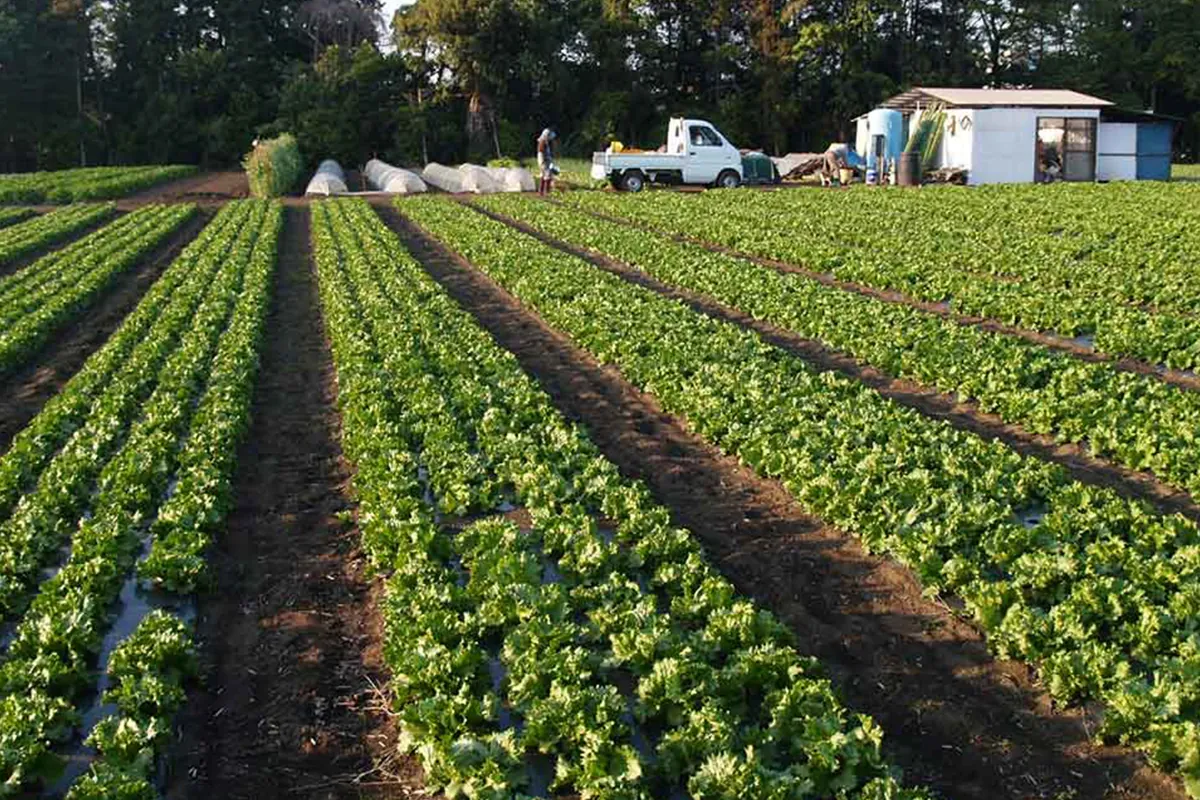
Black mulch film is widely recognized by growers for its ability to reduce weed growth, but its role in modern agriculture extends far beyond weed control. For commercial farming operations, mulch materials influence soil temperature, moisture retention, crop quality, and field management efficiency. Understanding these additional functions helps distributors, growers, and agricultural professionals select suitable materials based on their production goals.
At HGDN, we focus on developing agricultural film solutions that support efficient cultivation practices. While weed suppression remains one of the main reasons growers use mulch materials, we believe it is important to understand how black mulch film contributes to a more controlled growing environment and improved crop management throughout the season.
How Agriculture Plastic Film Supports More Efficient Crop Growth
The primary function of agriculture plastic film is to create a protective layer between the soil surface and the external environment. This barrier helps reduce moisture evaporation, maintain more stable soil conditions, and improve resource efficiency. For many crops, consistent soil moisture is essential for healthy root development and stable production.
Black mulch film has a unique ability to absorb and retain solar energy, which can increase soil temperature during cooler growing periods. Warmer soil conditions may encourage faster root activity and support earlier crop establishment, especially for crops grown during transitional seasons when temperatures are less predictable.
However, growers should always consider local climate conditions and crop requirements. Excessive heat accumulation can create challenges for certain crops, which is why proper installation, monitoring, and seasonal management remain important parts of successful mulch use.
Black Mulch Film Provides More Than Weed Control
Weed suppression is one of the most familiar advantages of plastic mulch film, but its benefits are not limited to preventing unwanted plant growth. By blocking sunlight from reaching the soil surface, black mulch film reduces weed germination and decreases competition for water and nutrients.
Reduced weed pressure can also lower labor requirements. Growers may spend less time on manual weeding or chemical weed management, allowing farming teams to focus on other important cultivation activities. For large-scale agricultural operations, this efficiency can contribute to better resource allocation.
At HGDN, we understand that growers need materials that provide practical value throughout the production cycle. Our approach considers how agricultural films can support multiple aspects of crop management rather than focusing on a single function.
Managing Soil Moisture and Field Conditions
Another important advantage of mulch film is moisture management. Bare soil can lose water quickly through evaporation, especially under strong sunlight or dry weather conditions. A properly installed mulch layer helps reduce moisture loss and allows irrigation resources to be used more efficiently.
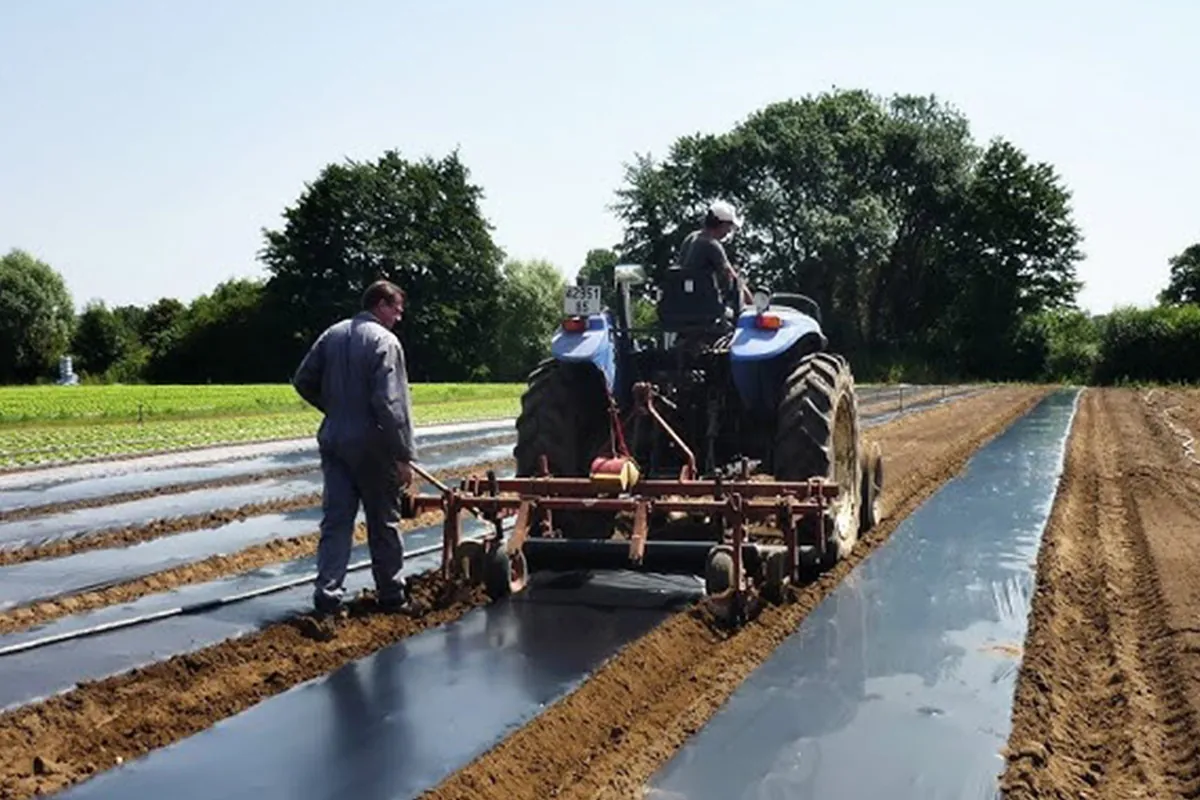
For growers using agriculture plastic film, regular field inspections are essential. If wind loosens the soil along the edges of the film, growers should re-cover and compact the area to maintain a secure seal. Proper installation helps preserve the film’s protective effects throughout the growing period.
If damage occurs, affected areas should be repaired quickly. Covering damaged sections tightly with soil can help reduce moisture loss and limit weed growth until further maintenance is possible.
Supporting Better Temperature Management with Plastic Mulch Film
Temperature control is another reason growers choose plastic mulch film for field production. By influencing the soil environment, mulch materials can help create more favorable conditions for crop roots. Black films are particularly valued for their heat-absorbing characteristics, making them suitable for many crops that benefit from warmer soil.
At the same time, growers should evaluate crop development throughout the season. As temperatures rise, some crops may require cooler soil conditions. In these situations, growers can assess whether early removal or adjustment of mulch materials is beneficial for root development and overall plant health.
This decision-making process highlights why mulch film management should be considered a seasonal practice rather than a one-time installation step.
Installation and Maintenance Practices Affect Performance
Even high-quality mulch materials require correct handling to achieve expected results. Before installation, growers should prepare the field surface properly to ensure close contact between the film and soil. Secure placement helps prevent wind damage and improves the effectiveness of moisture and temperature control.
After seedlings emerge, growers should carefully cut openings at plant locations when using biodegradable mulch film. This allows plants to grow normally while reducing the risk of excessive heat exposure around young seedlings.
Throughout the growing season, regular inspections can help identify issues early. Checking film coverage, repairing damaged sections, and maintaining soil contact all contribute to better field performance.
Considering Sustainable Film Management After Harvest
End-of-season management is an important part of responsible agricultural film use. After harvest, growers should evaluate the condition and type of mulch material before deciding on removal or further handling methods.
For conventional plastic mulch film, thorough collection and recycling can help reduce waste and prevent unwanted material accumulation in agricultural fields. Proper disposal practices support cleaner farming environments and more sustainable production systems.
At HGDN, we continue exploring agricultural solutions that balance performance with environmental considerations. By understanding how mulch films function throughout the entire crop cycle, growers can make more informed choices for their operations.
Maximizing the Value of Black Mulch Film in Modern Farming
Black mulch film offers growers benefits that extend beyond simple weed suppression. Its ability to support moisture management, soil temperature regulation, and more efficient field operations makes it a valuable tool in many agricultural systems.
At HGDN, we provide agriculture plastic film solutions designed to meet the practical demands of modern farming. By combining reliable material performance with proper installation and maintenance guidance, we help growers achieve more consistent cultivation results. Contact us to learn more about suitable mulch film options for your agricultural projects.