Modern farming increasingly depends on efficient materials to manage soil, water, and crop health. As HGDN, we have seen how agricultural film supports growers in improving field performance under different climate conditions. Working as a plastic film manufacturer, we focus on practical applications that align with real farming needs rather than theoretical use. Many mulch film manufacturers are exploring similar directions, and understanding these applications helps farmers choose suitable materials for different crops and regions.
Soil Moisture Retention and Temperature Regulation
One of the most widely used applications of agricultural film is maintaining soil moisture and stabilizing temperature. By covering the soil surface, farmers can reduce evaporation and create a more consistent root environment. As a plastic film manufacturer, we design films that support early crop development, especially in areas with variable weather. Many mulch film manufacturers focus on UV-stabilized structures to extend field usability. This approach allows growers to manage planting schedules more effectively and reduce the risk of uneven germination.
Weed Control and Pest Management
Weed suppression is another key function of agricultural film, helping reduce competition for nutrients and sunlight. At the same time, reflective surfaces can influence pest activity. As a plastic film manufacturer, we consider both aspects when developing materials. Our 15 Micron Silver Black Mulch Film uses a silver surface to reflect aphids and a black layer to block light, limiting weed growth. Many mulch film manufacturers offer similar designs, but consistent raw material quality and UV resistance are important for stable performance throughout the growing cycle.
Crop Quality Improvement and Yield Consistency
Farmers often use agricultural film to improve crop uniformity and overall quality. By creating a controlled microclimate, plants experience fewer external stresses. As a plastic film manufacturer, we produce films using 100% virgin LDPE/LLDPE with UV stabilizers, with thickness options from 15 to 250 microns. Depending on climate and UV exposure, the lifespan typically ranges from 6 to 24 months. Many mulch film manufacturers provide customization, and we support OEM/ODM services including width, length, and perforation, allowing growers to match film specifications to crop requirements.
Water Efficiency and Sustainable Farming Practices
Water management has become increasingly important, and agricultural film can help reduce irrigation demand by limiting evaporation. As a plastic film manufacturer, we observe that efficient water use is often linked to overall farm sustainability. Many mulch film manufacturers are also exploring materials that support environmental considerations. While application needs vary, selecting appropriate films can help improve resource use efficiency and contribute to more balanced soil conditions over time.
Crop Protection from Weather Conditions
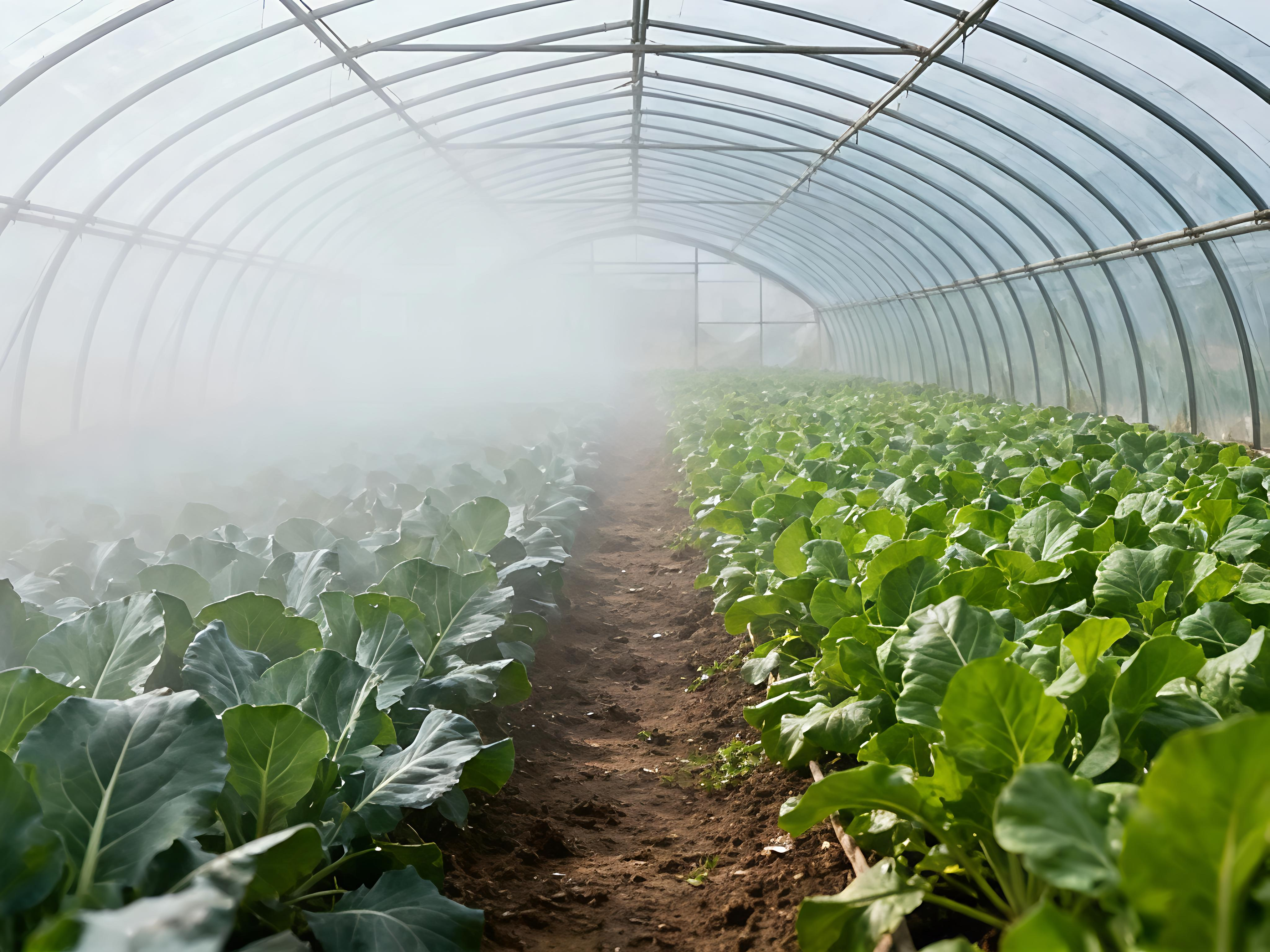
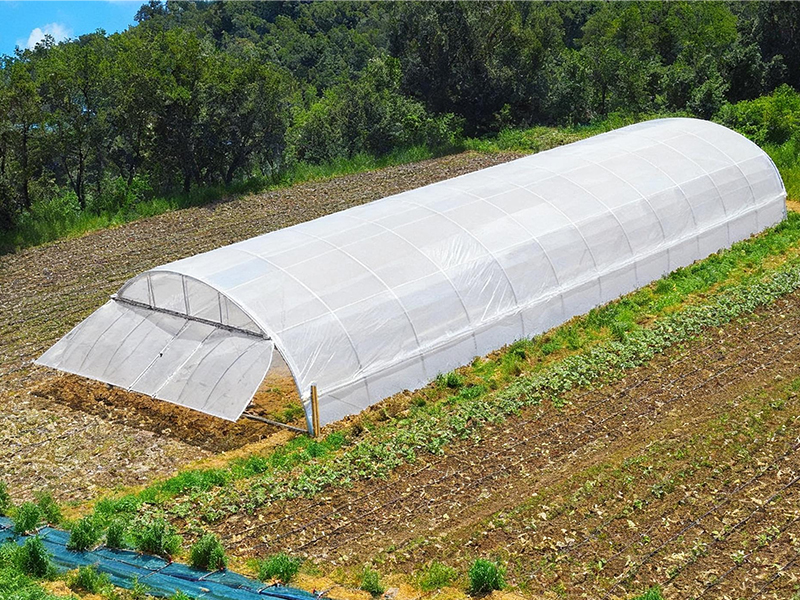
In addition to soil and water management, agricultural film is used to protect crops from environmental stress such as wind, heavy rain, and sudden temperature drops. As a plastic film manufacturer, we design films that provide a physical barrier against these factors while maintaining airflow and light transmission. Many mulch film manufacturers consider durability and flexibility when developing products for outdoor conditions. This application is particularly useful in regions with unpredictable weather, where crop protection plays an important role in maintaining stable growth cycles.
Conclusion
The applications of agricultural film in modern farming cover moisture control, weed management, crop quality improvement, water efficiency, and environmental protection. As HGDN, we focus on delivering materials that align with these practical needs through consistent production and customization support. Working with an experienced plastic film manufacturer allows growers to adapt to changing conditions, while collaboration with reliable mulch film manufacturers supports long-term agricultural efficiency.