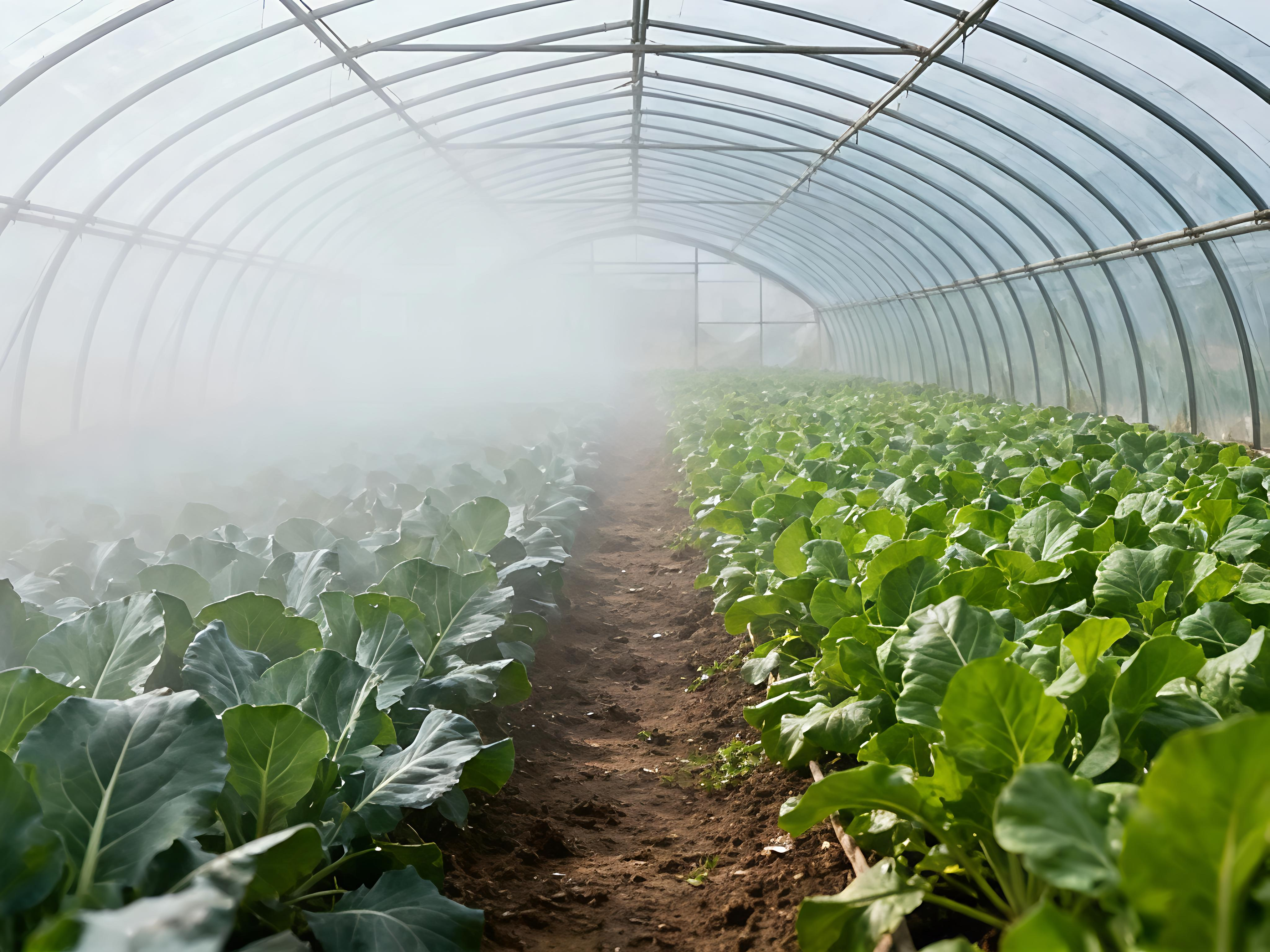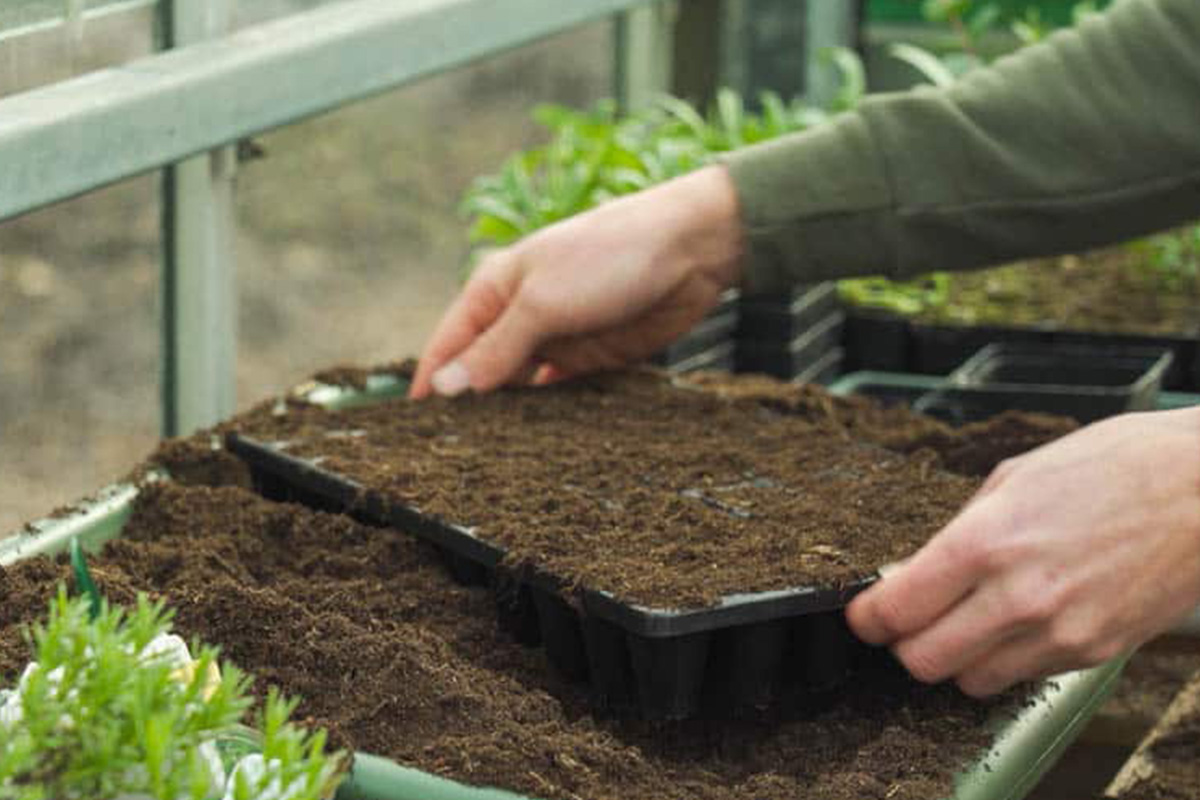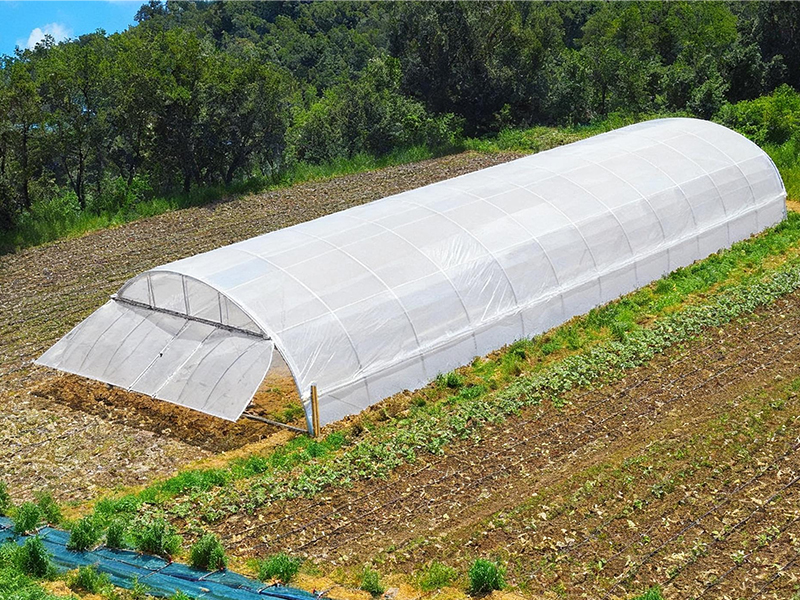
Agriculture is evolving rapidly, and at HGDN, we closely monitor how sustainable practices are shaping the future of farming. The use of UV resistant greenhouse plastic sheeting has become increasingly important as farmers face challenges like strong sunlight, changing weather patterns, and the need for longer-lasting materials. We have observed that greenhouse farming benefits include higher crop yields, reduced water consumption, and improved control over plant environments. Our company aims to provide materials that meet these needs, combining durability with environmentally conscious design. By integrating advanced manufacturing processes, we ensure that our products not only protect crops but also contribute to responsible farming practices worldwide.
Innovations in Greenhouse Materials
As a polyhouse manufacturer, we continually explore ways to improve the performance and sustainability of greenhouse films. Our UV resistant greenhouse plastic sheeting utilizes multi-layer extrusion technology to enhance light diffusion and temperature regulation within greenhouses. This allows plants to grow more uniformly while minimizing the need for additional energy input. We also employ a range of sophisticated production equipment, including circular knitting machines, warp knitting machines, Swiss-imported shuttle looms, water weaving machines, and extrusion machines. These investments enable us to produce consistent, high-quality films with longer service life. By providing durable materials, we support greenhouse farming benefits while reducing plastic waste, demonstrating that technology and sustainability can work together in modern agriculture.
Environmental Impact and Recycling
Sustainability is a core focus at HGDN, and we understand that agricultural plastics, if not managed properly, can pose environmental challenges. Our approach emphasizes creating UV resistant greenhouse plastic sheeting that is more recyclable and durable, helping farmers reduce the frequency of replacements. In addition, we provide guidance on proper recycling and disposal practices, so that the agricultural community can maximize the benefits of greenhouse farming benefits without increasing plastic pollution. Our products are designed to comply with European and North American standards, including CE, REACH, and BSCI certifications, ensuring that environmental responsibility is embedded in both material quality and operational processes. By combining long-lasting materials with education on recycling, we aim to minimize the ecological footprint of agricultural plastics globally.
Conclusion: A Sustainable Path Forward
Looking to the future, the role of a polyhouse manufacturer extends beyond producing films; it involves supporting farmers with solutions that are efficient, durable, and environmentally conscious. At HGDN, we remain committed to offering UV resistant greenhouse plastic sheeting that balances crop protection with sustainability. We believe that greenhouse farming benefits extend beyond productivity, including reduced resource use and enhanced environmental stewardship. By integrating recycling considerations, educating farmers on proper material use, and continuously improving our manufacturing processes, we demonstrate that agricultural plastics can be part of a responsible and forward-looking farming system. Sustainability, innovation, and practical solutions continue to guide our work, ensuring that the future of agriculture is both productive and ecologically sound.