As agriculture continues to evolve, we see increasing attention on efficiency, sustainability, and material innovation. At HGDN, we have observed how the role of agricultural mulch film is gradually shifting from a basic covering material to a more functional and adaptable solution. Farmers today are not only concerned with yield, but also with soil health, water management, and long-term cost control. As a plastic film manufacturer, we are continuously adjusting our approach to meet these changing expectations while remaining aligned with real agricultural needs.
Evolving Material Technologies in Agricultural Applications
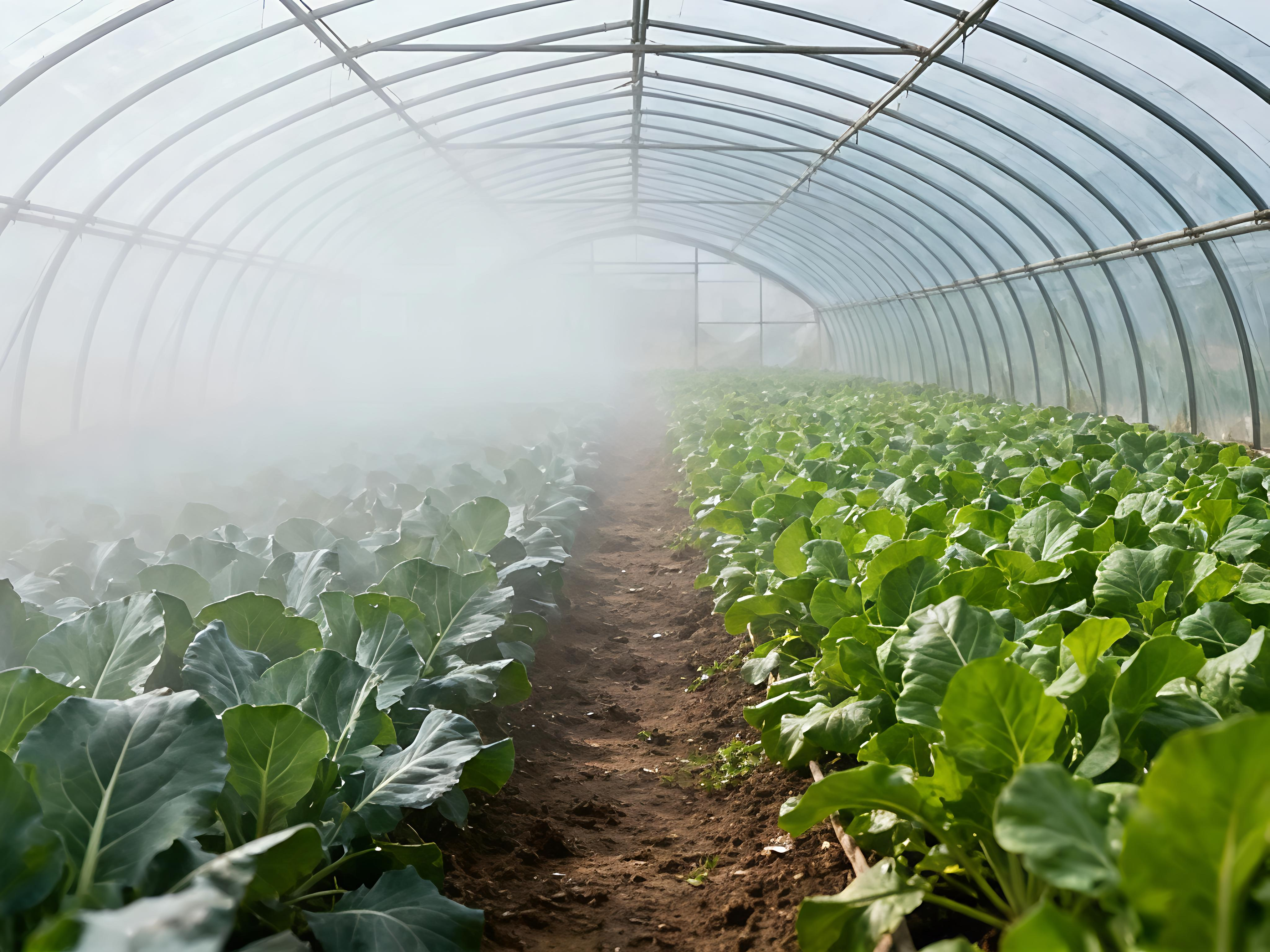
The future of agricultural mulch film will largely depend on advancements in material science. As one of many mulch film manufacturers, we recognize that growers are looking for films that can balance durability with environmental considerations. This includes improved UV resistance, better tensile strength, and controlled degradation where required. At HGDN, we focus on using 100% virgin raw materials to ensure consistent film performance. For example, our 130 Micron Clear Greenhouse Plastic Film offers over 90% light transmission, which supports efficient photosynthesis, while maintaining a lifespan of 3–5 years depending on climate conditions. These improvements are not about exaggeration, but about meeting practical field requirements.
Functional Features Driving Practical Value
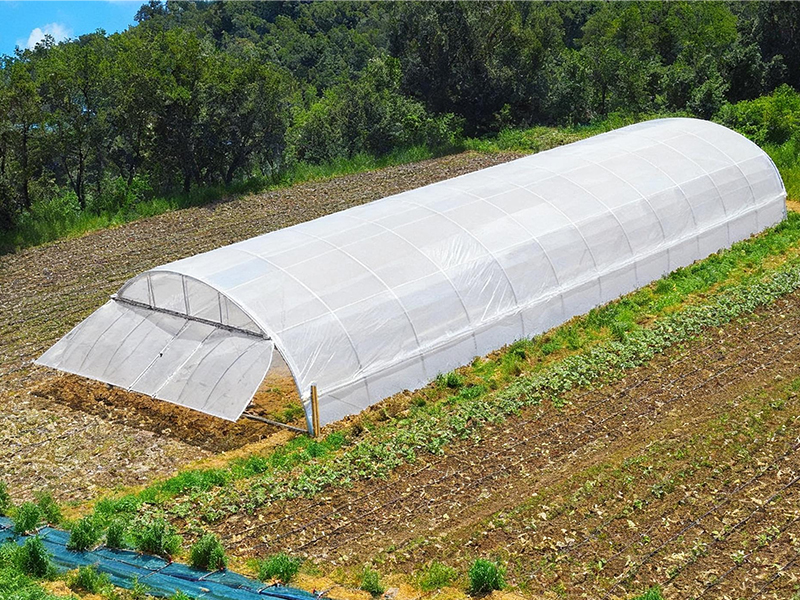
Another clear trend is the demand for multifunctional films. Farmers increasingly expect agricultural mulch film to contribute to crop protection beyond simple soil coverage. Features such as anti-drip, anti-fog, and tear resistance are becoming standard expectations rather than optional upgrades. As a plastic film manufacturer, we design products that help maintain stable growing environments. Our films incorporate UV-resistant properties and structural strength to reduce replacement frequency. Additionally, customizable widths and lengths allow our solutions to adapt to different greenhouse or open-field applications. This flexibility is essential as agricultural practices vary widely across regions.
Sustainability and Industry Direction
Sustainability is shaping the future of mulch film manufacturers across the industry. While traditional plastic films remain widely used, there is a growing shift toward reducing environmental impact through improved material efficiency and responsible usage. At HGDN, we approach this by optimizing production processes and ensuring our films maintain durability to minimize waste. As a plastic film manufacturer, we also align with international standards such as CE, REACH, and BSCI, reflecting a broader industry movement toward compliance and transparency. Reliable delivery timelines of 15–20 days and structured after-sales support further contribute to long-term usability rather than short-term consumption.
Conclusion: A Balanced Path Forward
Looking ahead, the future of agricultural mulch film will be defined by a balance between performance, adaptability, and sustainability. As one of the active mulch film manufacturers, we believe progress will not come from a single breakthrough, but from continuous refinement of materials and production methods. At HGDN, we remain focused on practical innovation, ensuring that each solution supports real agricultural conditions without unnecessary complexity. By combining stable material performance with adaptable design, the industry can move toward more efficient and responsible farming practices.