A well-organized propagation area creates a strong foundation for efficient crop production. For commercial growers, every step from tray preparation to seedling transportation can influence labor efficiency, plant consistency, and transplanting success. At HGDN, we understand that successful cultivation depends on coordinated solutions, including reliable seedling trays, protective greenhouse materials, and practical growing processes.
Our experience in agricultural solutions allows us to support growers with products designed for different production stages. From propagation areas to greenhouse environments and open-field cultivation, each component plays an important role. Proper tray setup, combined with suitable materials such as agriculture plastic sheets and greenhouse coverings, helps growers establish more controlled and efficient production systems.
For growers and distributors, understanding the basic workflow of seedling tray preparation can improve daily operations. A clear process reduces handling problems, supports healthier seedlings, and helps ensure that plants are ready for the next cultivation stage.
Preparing Seedling Propagation Trays for Efficient Handling
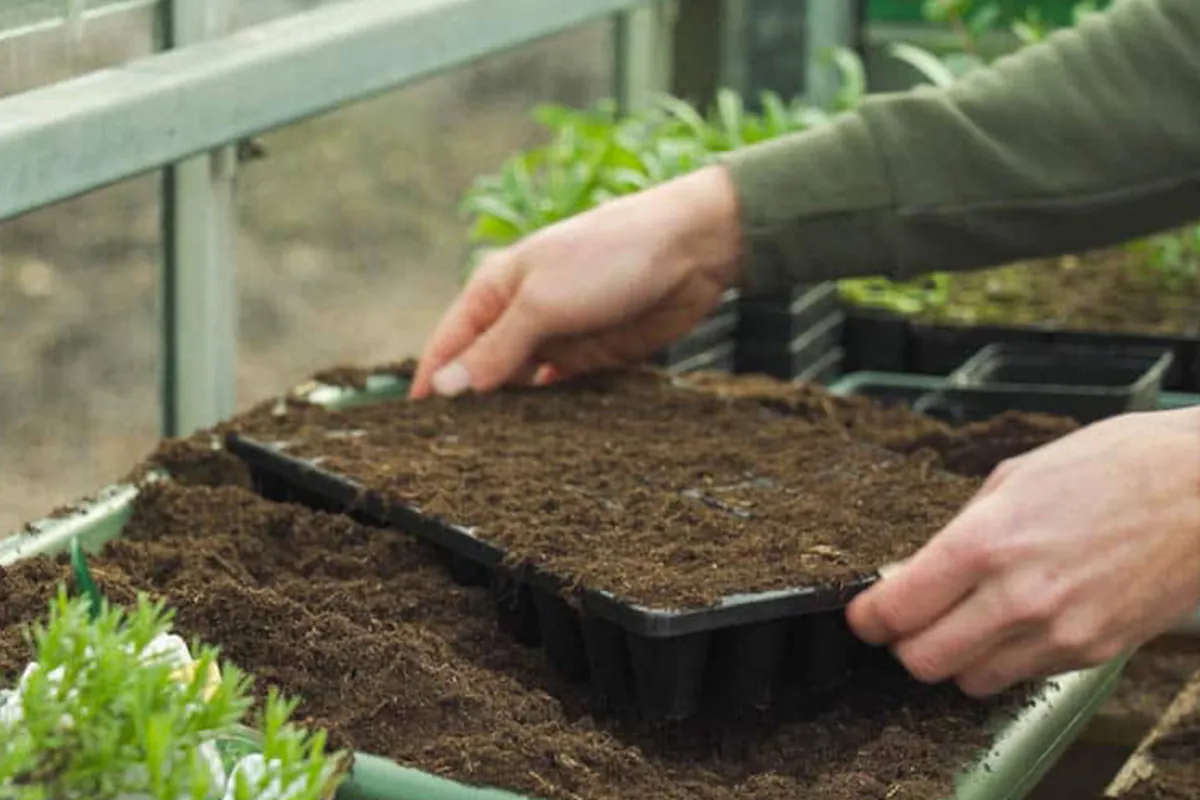
The first step in organizing a propagation area is preparing seedling trays correctly. Before filling and sowing, trays need to be separated carefully to prevent damage and maintain smooth workflow. In large-scale operations, manual separation can become time-consuming, making compatibility with automated equipment an important consideration.
Our plant seedling trays are designed with anti-nesting lugs that help support smooth operation when used with automatic denesters or unstacking machines. This feature allows growers to separate stacked trays more efficiently while reducing unnecessary handling pressure.
Proper tray preparation is especially important for commercial nurseries that manage high volumes of seedlings. A stable tray structure helps maintain consistency throughout the propagation process, supporting later transplanting into greenhouses or fields protected by agriculture plastic sheets.
Creating Consistent Substrate Filling for Better Seedling Growth
After tray preparation, the next step is substrate filling. Uniform substrate distribution is essential because uneven filling may create differences in water retention, root development, and seedling growth. For commercial propagation systems, machine compatibility can improve efficiency and reduce labor requirements.
Our plant seedling trays feature uniform cell structures designed to support even filling and help prevent air pockets during automated hopper filling. This structure makes them suitable for growers who use mechanical systems to prepare large quantities of seedlings.
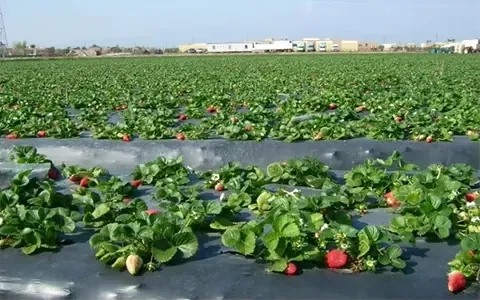
A consistent substrate environment helps seedlings establish stronger foundations before transplanting. When these seedlings later move into fields covered with a plastic mulch sheet, their early development can contribute to more efficient crop management.
For growers integrating different agricultural products, tray quality should be considered alongside other cultivation materials. Similar to selecting suitable agriculture plastic sheets for crop protection, choosing the right propagation equipment can influence overall production performance.
Maintaining Accurate Dibbling and Seeding Processes
Seed placement is another important stage in propagation management. Whether growers use mechanical dibblers or manual tools, maintaining consistent depth helps create more uniform germination conditions. Variations in seed placement may lead to uneven emergence and inconsistent crop development.
The cells of our plant seedling trays are engineered for precise centering, helping growers achieve accurate seed positioning. This design supports improved germination conditions and prepares seedlings for later growth under protective greenhouse environments using clear greenhouse film.
A well-managed seeding process also improves production planning. When seedlings develop more uniformly, growers can better schedule transplanting, irrigation, and crop management activities.
For operations using greenhouse film installation systems, consistent seedling quality is particularly valuable. A stable greenhouse environment works best when combined with healthy and well-prepared plants that can adapt smoothly after transplanting.
Safe Transportation Practices for Loaded Seedling Trays
Moving filled trays requires careful handling because wet substrate significantly increases weight. Improper transportation methods may damage tray structures and create problems during later transplanting operations.
When carrying a loaded seedling propagation tray, growers should always support the bottom center area. Lifting only from the rim or edges may create excessive pressure and increase the risk of cracking. Damaged trays can affect workflow efficiency and may interfere with later transplanting onto biodegradable mulch film.
For commercial nurseries, proper transportation procedures help extend tray service life and reduce replacement costs. Simple handling practices can make a significant difference when managing hundreds or thousands of trays throughout a growing cycle.
At HGDN, we believe that product performance depends not only on design but also on correct application. Providing practical guidance helps growers achieve better results from their cultivation systems.
Cleaning and Storing Trays for Long-Term Use
Durable seedling trays can support multiple production cycles when properly maintained. After each use, growers should remove substrate residues and complete appropriate cleaning and sterilization procedures. This preparation helps maintain tray conditions for future propagation periods.
For storage, seedling propagation trays should be stacked vertically in a shaded location. Direct sunlight exposure should be avoided because prolonged UV exposure may accelerate material aging during the off-season.
Proper storage practices allow growers to continue using trays for crops supported by our agriculture plastic sheets and greenhouse solutions. Like greenhouse materials that require correct installation and maintenance, propagation equipment benefits from careful management throughout its service life.
For businesses working with greenhouse film installation projects, maintaining reliable supporting equipment creates a more complete production system. Every stage, from seed preparation to final cultivation, contributes to operational efficiency.
Building Efficient Propagation Systems Through Practical Setup
A successful propagation area depends on consistent processes, suitable equipment, and careful management. From tray separation and substrate filling to transportation and storage, each step influences seedling quality and production efficiency.
At HGDN, we focus on providing agricultural solutions that support growers throughout different cultivation stages. By combining reliable seedling trays with products such as agriculture plastic sheets and greenhouse solutions, we help partners create organized growing systems. Through proper setup methods and professional product selection, growers can improve propagation efficiency and prepare stronger foundations for future crop production.