Successful mulching operations depend on more than selecting the right material. Even high-quality mulch films can experience performance issues if installation steps are overlooked. Details such as roll direction, soil preparation, tension control, and edge securing can directly influence durability, heat transfer, and field performance.
At HGDN, we recognize that professional growers and agricultural distributors need practical guidance beyond product supply. As a trusted manufacturer of agriculture plastic sheets, we focus on helping customers understand how proper installation methods can maximize the value of their materials. Whether using conventional mulch products or biodegradable solutions, correct handling plays an essential role in achieving reliable results.
Why Proper Installation Matters for Agriculture Plastic Sheets
Mulch film installation may appear simple, but several small mistakes can create larger problems during the growing season. Incorrect unfolding direction, uneven tension, or insufficient soil preparation may lead to tearing, poor coverage, and reduced effectiveness.
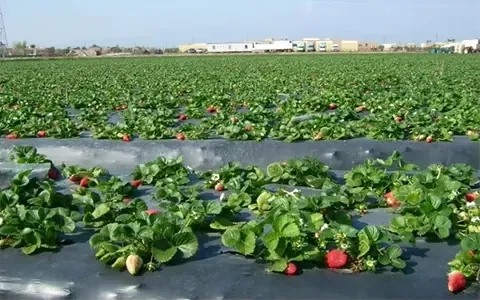
For agriculture plastic sheets, maintaining close contact with the soil is especially important because it supports better heat transfer and moisture management. When the film is installed loosely, air gaps can form between the material and the soil surface, reducing the expected benefits of mulching.
At HGDN, we encourage buyers and farming partners to treat installation as part of the overall crop management process. A well-designed film requires proper application methods to perform according to its intended function.
Preparing Soil Before Laying Mulch Film
The condition of the soil directly affects the installation quality of mulch materials. Before laying film, growers should conduct deep plowing to break up soil clods completely. Sharp clods or rough soil surfaces can create pressure points that may puncture plastic mulch sheets and shorten their service life.
Moisture preparation is another critical step. The soil should reach field capacity moisture before mulching begins. Dry soil can reduce heat conduction and weaken the soil-warming effect that mulch films are designed to provide.
Proper soil preparation creates a smoother foundation for the film and helps ensure better contact between the material and the ground. This step is especially important for commercial farms that install large areas of mulch and need consistent performance across the entire field.
Roll Direction and Unfolding Techniques for Better Coverage
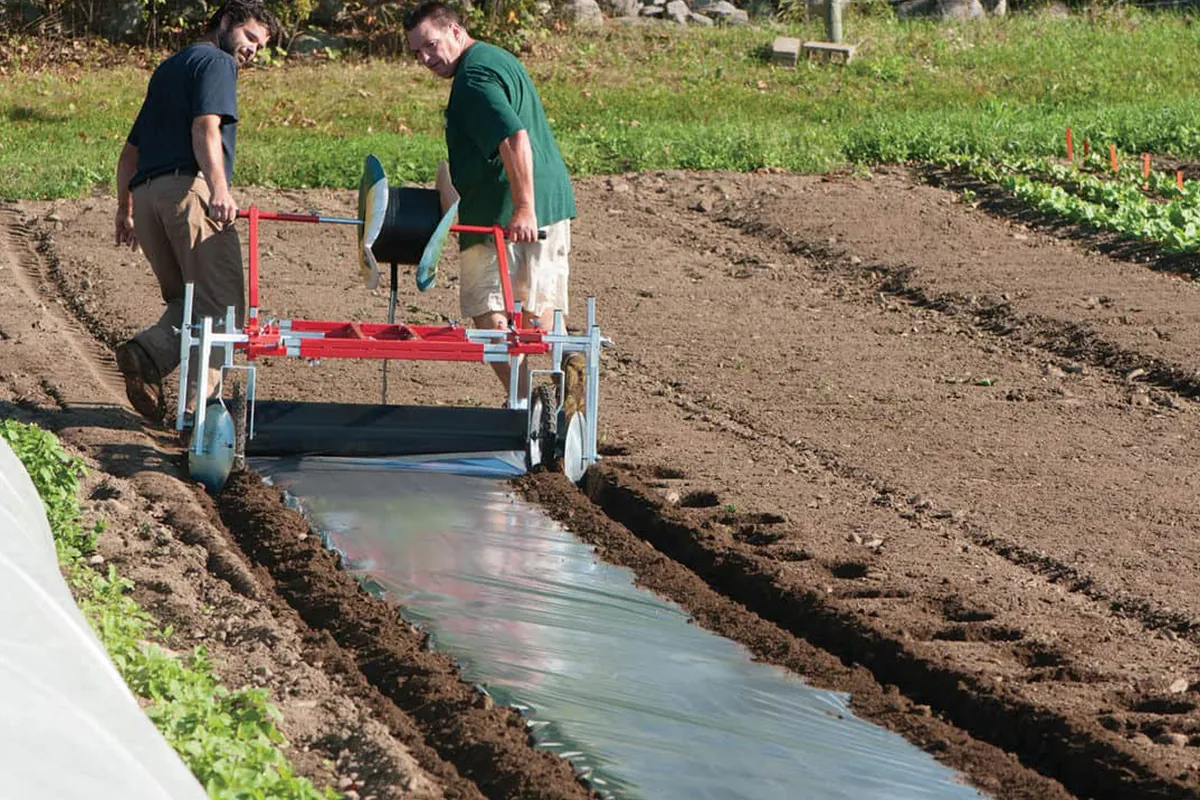
Roll direction is a small installation detail that can have a significant impact on field efficiency. Before unfolding, operators should confirm the correct direction based on the film structure, equipment setup, and planting layout. Proper alignment helps reduce wrinkles and ensures the material covers the intended area evenly.
When using agriculture plastic sheets, the film should be laid on calm days with minimal wind. Strong wind conditions can make installation difficult, increasing the risk of uneven placement or unnecessary stretching.
Machine speed should also remain consistent during installation. Maintaining a steady speed of approximately 3–5 km/h helps achieve even coverage and reduces tension changes along the row. Operators should avoid sudden acceleration or stopping, as these actions can create stress points in the film.
Managing Film Tension During Installation
Tension control is one of the most important factors affecting mulch film performance. The material should remain snug against the soil surface to improve heat transfer, but excessive stretching should be avoided.
Over-stretching can create unnecessary stress within the film structure. Temperature changes between day and night may cause the material to contract, increasing the possibility of splitting. Allowing approximately 1–2% thermal contraction space helps reduce this risk.
This principle applies to different mulch materials, including biodegradable mulch film. Although biodegradable products are designed with specific environmental advantages, they still require proper handling during installation to maintain their intended performance.
At HGDN, we pay attention to both material development and practical application requirements. Understanding how products are installed helps agricultural professionals achieve better results in real field conditions.
Installing Drip Tape Before Applying the Film
Drip irrigation installation should be completed before the mulch film is placed. The drip tape should be positioned underneath the biodegradable mulch film, with all emitters facing upward.
This arrangement helps prevent sediment from entering the emitters and supports more uniform water distribution to crops. Proper positioning also reduces the need for adjustments after the film has been installed.
For commercial farming operations, combining irrigation planning with mulching procedures improves workflow efficiency. When drip systems and mulch films are installed correctly together, growers can create a more controlled cultivation environment.
Securing Edges and Preventing Wind Damage
After the film is laid, securing the edges is essential for maintaining coverage. Loose edges can allow wind to lift the material, causing movement, tearing, or exposure of the soil surface.
During installation, burying discs should cover at least 15–20 cm of the mulch film edges with soil. This creates a stable seal and helps keep the material positioned throughout the growing cycle.
For businesses purchasing agriculture plastic sheets in bulk, reliable installation practices can reduce material waste and improve field management efficiency. Proper edge protection is a simple step that provides long-term benefits.
Planting Methods After Film Installation
Once the film and irrigation system are properly installed, planting can begin. Growers can create planting holes and place seedlings from plant seedling trays according to crop spacing requirements.
After planting, each hole should be sealed with a small amount of soil. This prevents the “chimney effect,” where hot air escapes through open spaces and may damage plant stems.
Careful planting techniques help maintain the protective environment created by the mulch film. Combined with proper installation, these steps allow growers to make better use of their selected materials.
Improving Mulching Results Through Installation Precision
Small installation details can determine whether mulch films deliver consistent field performance. From soil preparation and roll direction to tension management and edge protection, every step contributes to the final result.
At HGDN, we continue to support agricultural partners with reliable products and practical knowledge. As demand grows for efficient and sustainable farming solutions, we remain committed to developing advanced materials, including biodegradable mulch film options, that support modern agriculture.
By following professional installation procedures, growers can extend film performance, reduce avoidable problems, and improve overall crop management efficiency. The right material combined with the right installation method creates a stronger foundation for successful agricultural production.