In modern controlled agriculture, selecting the right covering material is a critical decision that directly influences crop performance, energy efficiency, and long-term production costs. At HGDN, many growers often assume that thicker film automatically means better durability and higher yield protection. However, in practical applications such as large-scale greenhouse farming, the relationship between thickness and performance is far more complex.
As a professional manufacturer in the plastic products industry, HGDN focuses on delivering engineered solutions rather than oversized material specifications. The real value of greenhouse covering systems is defined by performance, not thickness alone. In this context, agriculture plastic film must be evaluated based on light transmission, tensile strength, and environmental adaptability.
The Real Performance Factors Behind Greenhouse Film Selection
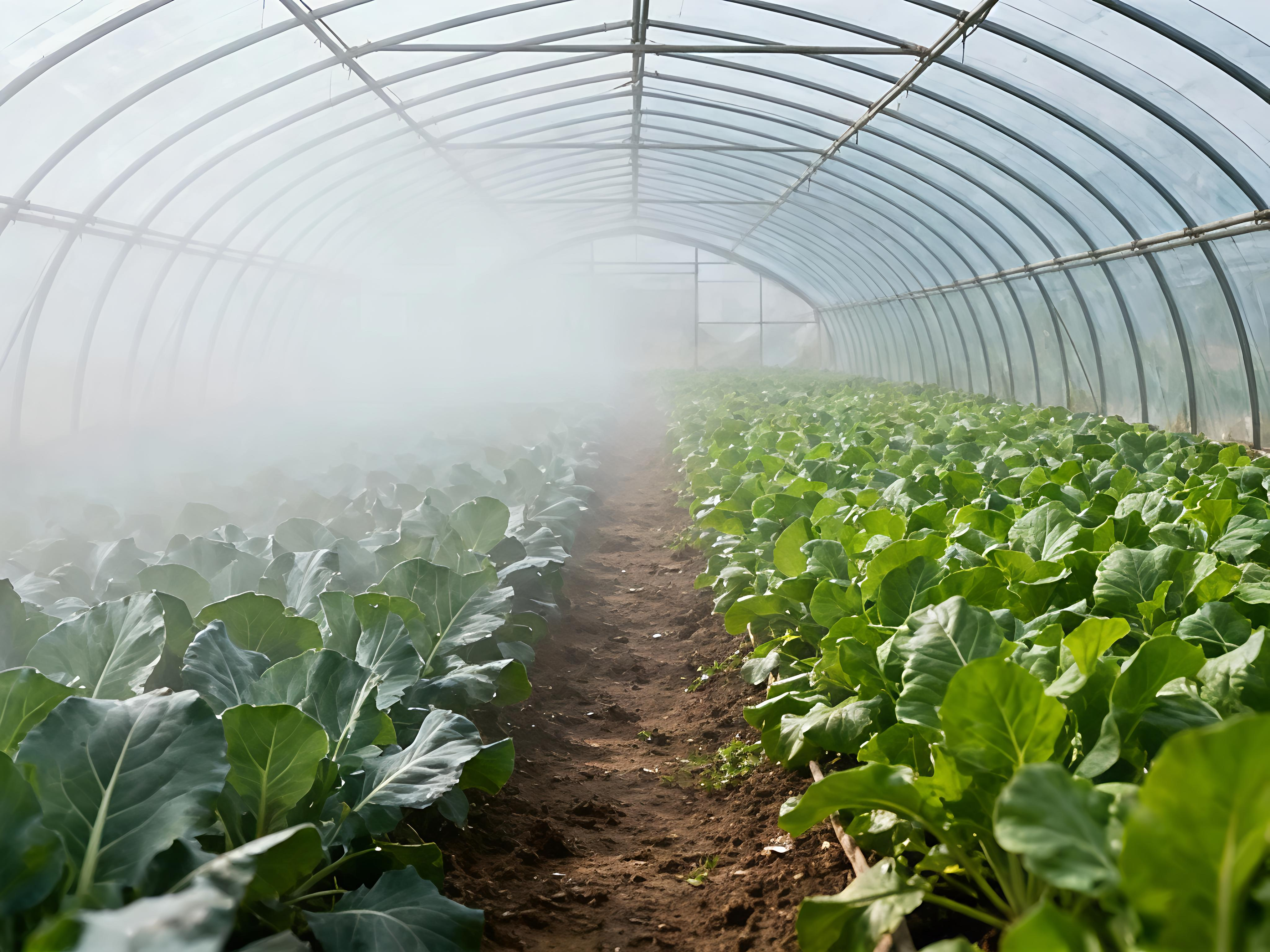
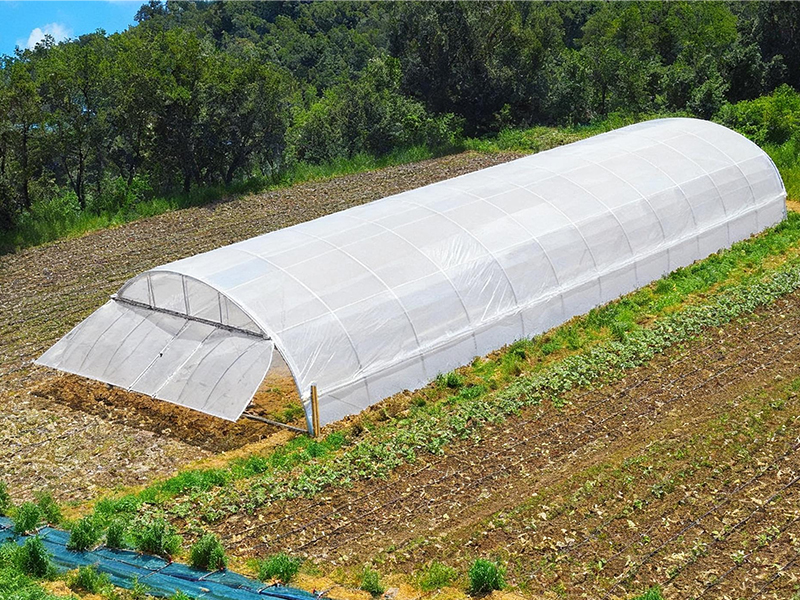
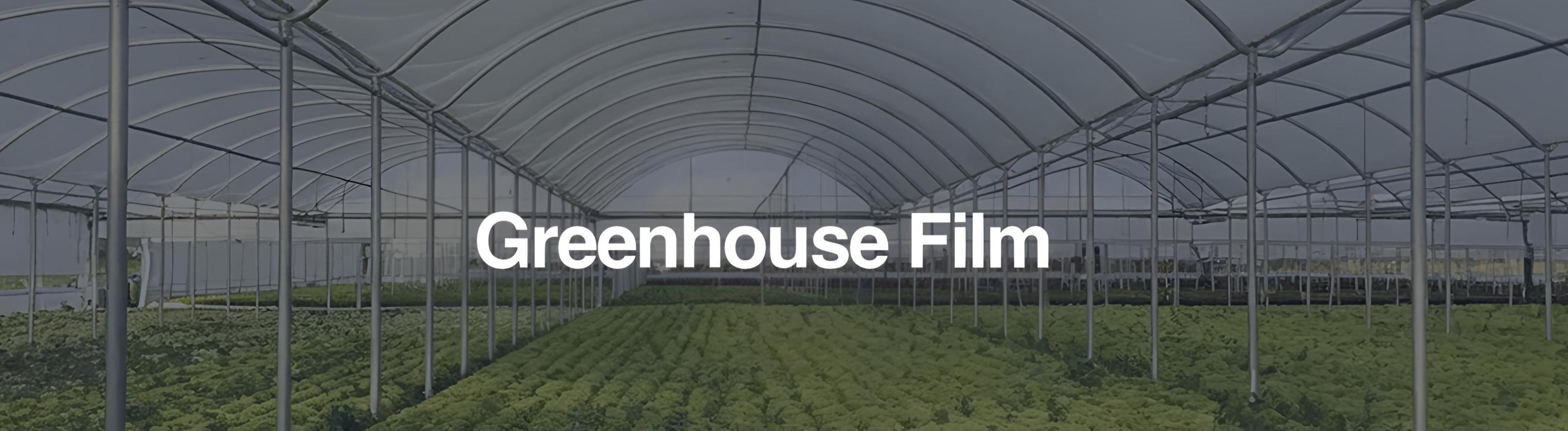
When evaluating greenhouse coverings, thickness is only one factor among many. Excessive thickness can reduce light transmission, increase cost, and limit installation flexibility. HGDN designs films to balance mechanical strength with optical performance, ensuring crops receive optimal sunlight while remaining protected from wind, rain, and temperature changes. In large-scale greenhouse farming, stable climate control is essential. Overly thick films may trap heat or reduce light diffusion efficiency, leading to uneven crop growth. Instead, growers benefit from films engineered through optimized resin formulation and multi-layer extrusion technology. HGDN’s production systems, including advanced extrusion machines and imported weaving equipment, allow precise control of film properties. This ensures every batch of agriculture plastic film meets consistent standards required for modern agricultural environments.
Why “Thicker” Does Not Always Mean “Stronger”
A common misconception in greenhouse agriculture is that increasing film thickness automatically improves durability. While thickness can contribute to puncture resistance, true strength depends on material composition, molecular structure, and UV stabilization.HGDN manufactures reinforced greenhouse films using carefully selected raw materials and controlled processing techniques. This improves tensile strength without unnecessarily increasing thickness. As a result, growers achieve better performance while reducing material waste and cost. In large-scale greenhouse farming, this balance is especially important. Heavy films increase structural load on greenhouse frames, raising installation costs and maintenance risks. Optimizing formulation instead of simply increasing thickness ensures long-term operational stability.
Smart Material Choices in Modern Agriculture Systems
Modern growers are shifting toward precision agriculture, where every input must improve yield efficiency. Advanced material design plays a key role in this transition. Instead of relying on oversized specifications, farmers now prefer engineered solutions that enhance crop conditions. HGDN agriculture plastic film products are designed to support heat preservation, moisture retention, wind resistance, and rain protection. These functions are achieved through structural optimization rather than excessive thickness.
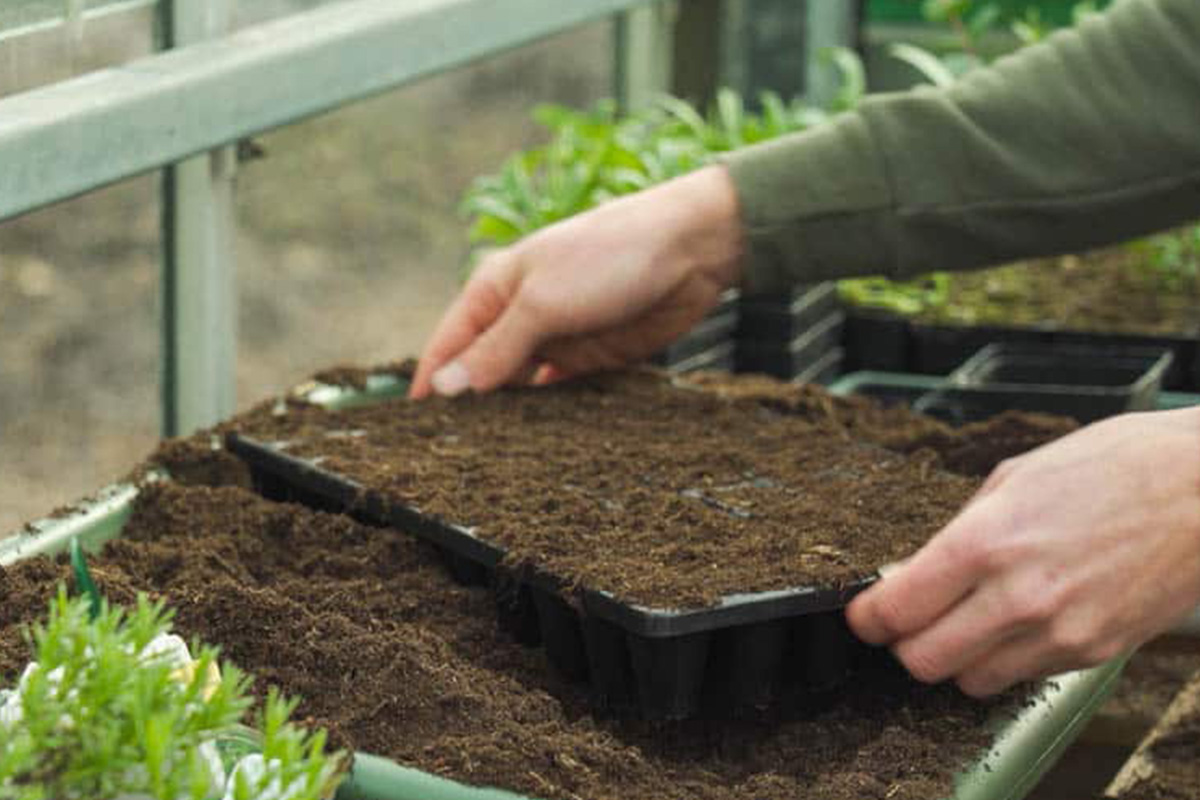
At the same time, seedling management remains a critical stage in agricultural production. Many growers rely on best seedling trays to ensure uniform germination and healthy root development. While greenhouse film stabilizes the environment, seedling systems support early plant growth, forming a complete cultivation ecosystem. Together, these systems improve planting efficiency, especially in controlled environments and commercial operations.
Engineering Efficiency for Large–Scale Agricultural Applications
HGDN understands that large-scale greenhouse farming requires both reliability and cost efficiency. The manufacturing process uses advanced equipment such as circular looms, warp knitting machines, Swiss rapier looms, and high-precision extrusion systems. These technologies ensure strict quality control and scalable production for global markets. Efficiency in greenhouse systems is not only about material strength but also about system optimization. A well-designed film must support climate stability, reduce energy loss, and enhance crop productivity without increasing unnecessary costs. HGDN also offers customization options, allowing clients to adjust film properties based on climate conditions and crop requirements. Combined with 24-hour online service and 3–10 year warranty support, HGDN ensures long-term reliability for agricultural projects.
Practical Decision-Making: Thickness vs. Functionality
When selecting greenhouse materials, growers should focus on performance rather than assumptions about thickness. Thicker films may be useful in extreme environments, but optimized lightweight films often perform better under standard conditions.
Key evaluation factors include:
- Light transmission efficiency
- Thermal regulation performance
- Mechanical durability under real conditions
- Installation flexibility
- Long-term cost efficiency
In many applications using agriculture plastic film, performance optimization delivers better results than simply increasing thickness. This approach reduces costs while maintaining stable crop yields. Similarly, in nursery operations, selecting best seedling trays improves germination consistency and transplant success rates. Together, these decisions support efficient agricultural production systems.
Conclusion: Smarter Materials for Smarter Agriculture
The future of agriculture is driven by precision, efficiency, and material intelligence rather than overspecification. In controlled environments such as large-scale greenhouse farming, success depends on selecting materials engineered for performance rather than size alone. At HGDN, we are committed to providing reliable and innovative solutions for global growers. From advanced agriculture plastic film systems to supporting cultivation tools, we help optimize every stage of production with stable quality and professional expertise.By combining advanced manufacturing technology with agricultural insight, HGDN enables higher productivity, improved crop quality, and more sustainable farming outcomes. In modern agriculture, smarter solutions always outperform simply thicker materials.