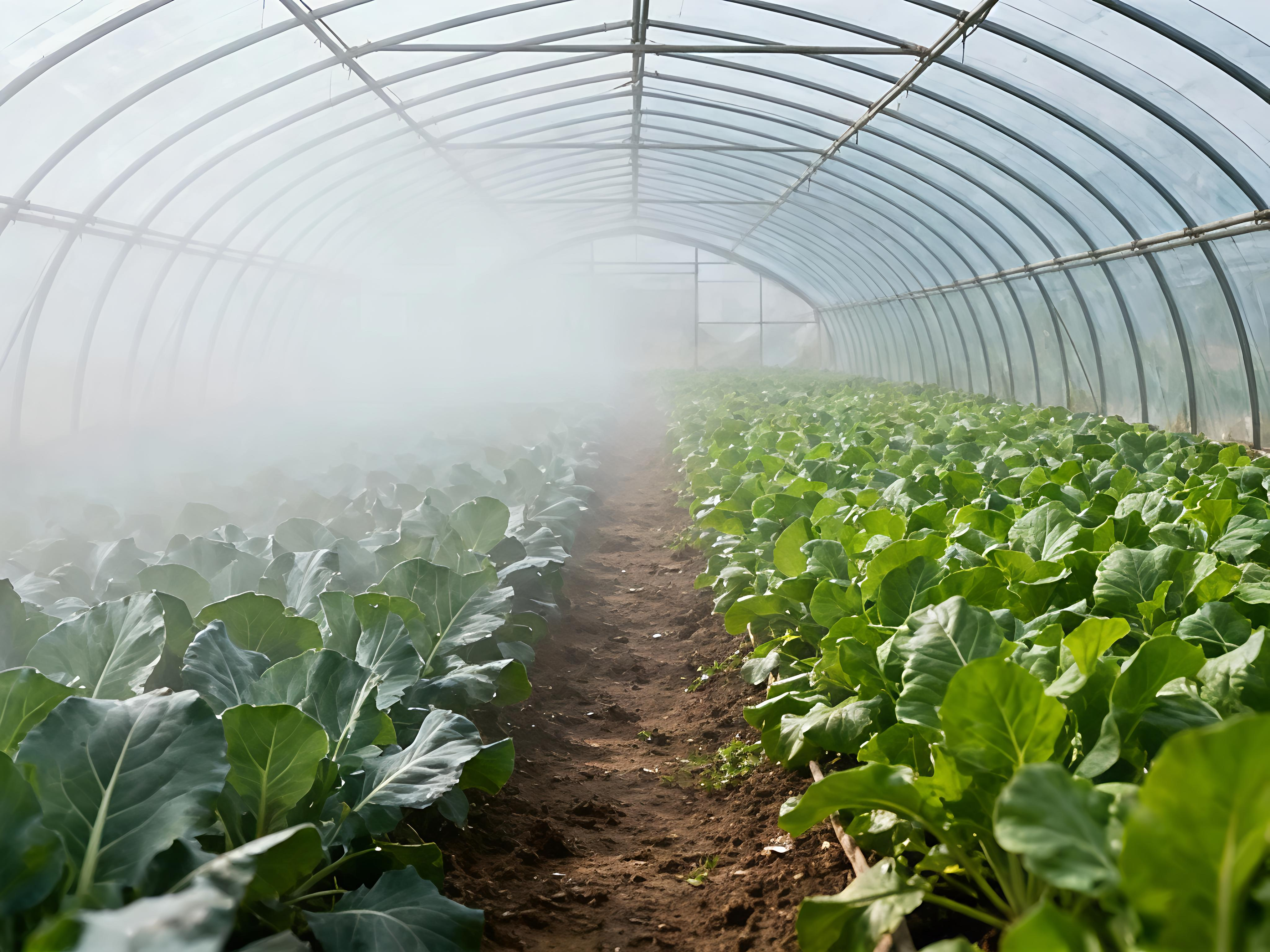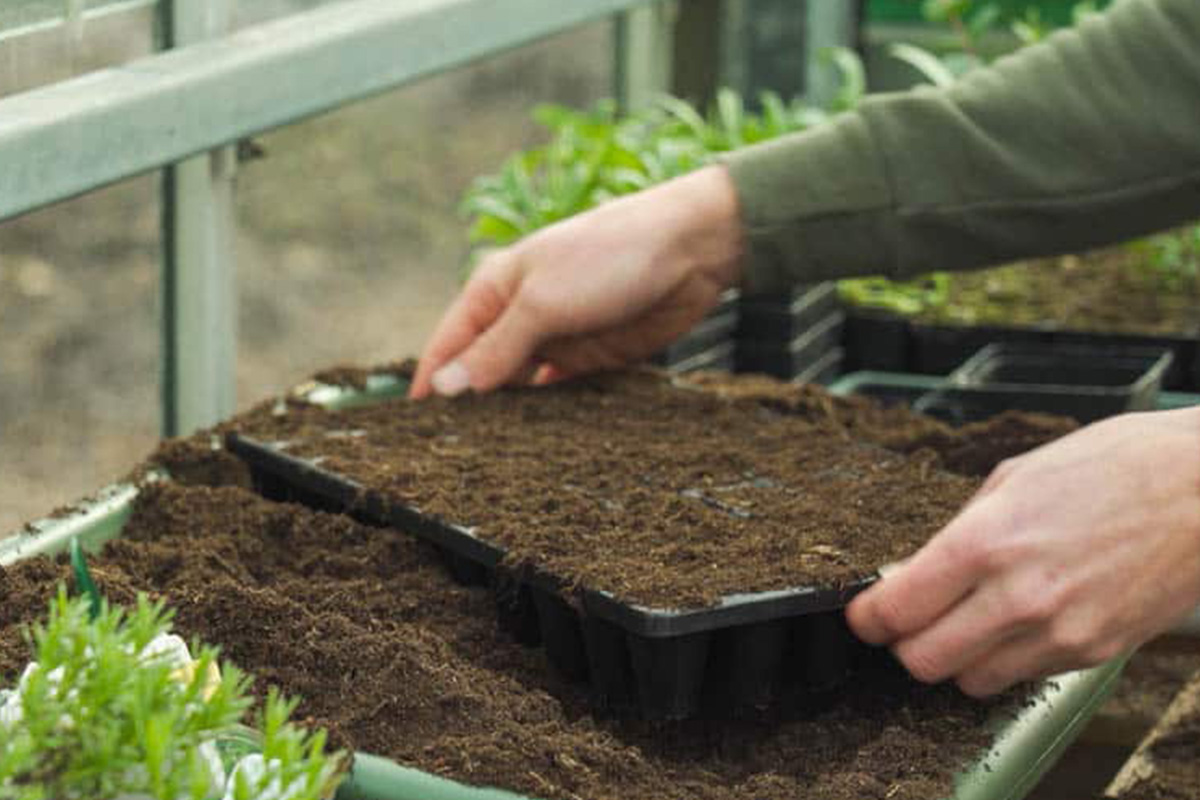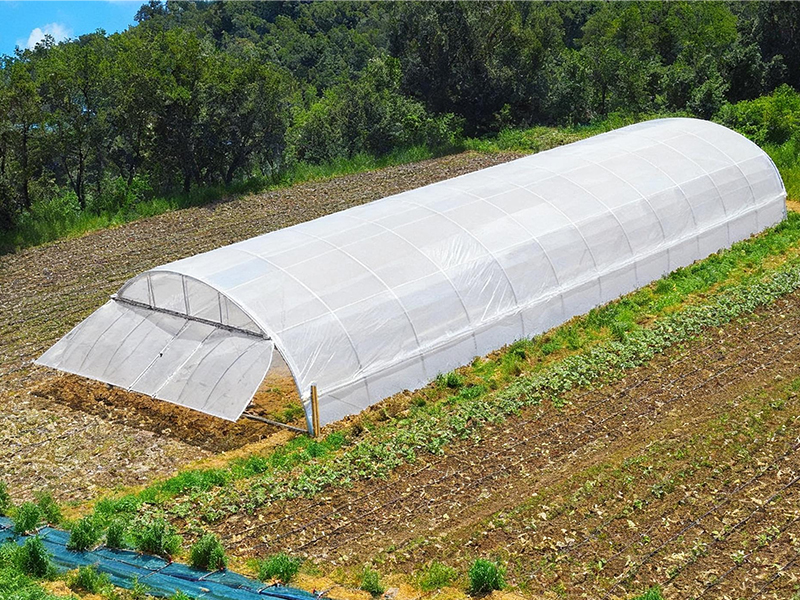
In modern agriculture and protected cultivation systems, choosing the right covering material directly impacts crop performance, energy efficiency, and long-term production stability. As climate conditions become more extreme in many regions, growers increasingly evaluate whether PE or EVA greenhouse films are better suited for high-temperature environments. As a professional greenhouse film supplier, we at HGDN have seen growing demand for performance-driven materials that balance durability, light management, and thermal control.
At HGDN, we focus on providing reliable agricultural plastic solutions, especially thermal film designed for different climate zones and cultivation needs. Through our experience working with global growers, we understand that selecting between PE and EVA films is not only a technical decision but also a cost and yield strategy.
Market Demand and the Role of a wholesale greenhouse film Partner
For large-scale farms, distributors, and agricultural project contractors, sourcing from a wholesale greenhouse film provider is essential to ensure consistent quality and stable supply. Bulk purchasing also helps reduce cost fluctuations while maintaining uniform performance across large cultivation areas. As HGDN, we operate with advanced production equipment and standardized manufacturing systems, enabling us to support long-term partnerships with commercial clients. Our role as a greenhouse film supplier is not only to deliver products but also to help customers choose the most suitable materials based on local climate conditions, especially in hot and high-sunlight regions. In hot climates, greenhouse covering materials must address three major challenges: excessive heat accumulation, UV stress, and moisture imbalance. This is where the PE vs EVA comparison becomes particularly important.
PE vs EVA Film: Structural and Functional Differences
PE (polyethylene) greenhouse film is widely used due to its affordability, flexibility, and ease of production. It offers good light diffusion and basic weather resistance, making it suitable for general agricultural use. However, in high-temperature environments, standard PE films may allow more heat accumulation inside the greenhouse.
EVA (ethylene-vinyl acetate) film, on the other hand, is known for improved elasticity, better light transmission stability, and enhanced thermal retention properties. EVA films are often preferred in cooler climates where heat preservation is a priority.
From our experience at HGDN, both materials serve important roles in agriculture, but their performance varies significantly when exposed to prolonged high temperatures and intense sunlight.
Performance Comparison in Hot Climate Conditions
When evaluating PE and EVA films in hot climates, growers must consider how each material manages internal greenhouse temperature and crop stress. PE films generally perform better in heat dissipation when properly formulated with anti-drip and UV additives. They help reduce excessive heat buildup when ventilation systems are in place. This makes PE-based solutions a more practical choice for regions where cooling rather than heating is the main challenge. EVA films, while excellent for heat retention, may trap more warmth inside the structure, which can lead to overheating issues in extremely hot environments unless combined with shading systems. This is why many agricultural engineers recommend selecting film type based on local weather patterns rather than material quality alone. As a trusted greenhouse film supplier, HGDN helps clients analyze climate conditions before recommending suitable film structures.
Cost Efficiency and Long-Term Agricultural Value
Cost is another key factor in PE vs EVA selection. PE films are generally more economical, making them attractive for large-scale agricultural operations. EVA films, while offering enhanced performance in certain conditions, typically come at a higher price point. For distributors and farm owners sourcing from a wholesale greenhouse film channel, balancing cost and performance is critical. Investing in the wrong material can lead to reduced yields, higher cooling costs, or shorter film lifespan.
HGDN supports customers by offering flexible procurement solutions and customized recommendations based on crop type, region, and cultivation goals. Our thermal film solutions are designed to meet diverse agricultural needs while maintaining competitive pricing and consistent quality.
HGDN Solutions for High-Temperature Agriculture
At HGDN, we understand that no single film type fits all agricultural environments. That is why we provide tailored greenhouse film solutions designed for different climate challenges. Our thermal film products are manufactured using advanced extrusion systems and high-quality raw materials, ensuring stable performance under strong sunlight and fluctuating temperatures. With compliance to CE, REACH, and BSCI standards, HGDN ensures that every product meets international agricultural requirements.
As a global greenhouse film supplier, we also provide 24-hour online consultation, allowing growers and distributors to receive timely technical support. With a 15-20-day delivery lead time and 3-10-year warranty terms, we aim to reduce operational risks for agricultural businesses worldwide. Whether clients are expanding large-scale farms or optimizing greenhouse performance in hot climates, HGDN offers reliable solutions through its wholesale greenhouse film services and customized production capabilities.
Choosing the Right Film for Hot Climate Success
In conclusion, PE and EVA greenhouse films each have their strengths, but their effectiveness depends heavily on environmental conditions. In hot climates, PE films often provide better practical value due to their balanced heat management and cost efficiency, while EVA films may require additional shading or ventilation support. As a professional greenhouse film supplier, HGDN recommends evaluating not only material properties but also regional climate, crop requirements, and long-term production goals before making a decision.
For growers and distributors seeking stable supply and technical support, HGDN remains committed to delivering high-quality thermal film solutions through reliable wholesale greenhouse film services. With strong manufacturing capability and global market experience, HGDN continues to support modern agriculture with durable, efficient, and climate-adaptive film products.