Greenhouse film replacement is not simply a routine purchasing decision. For commercial growers, each replacement cycle provides valuable information about material performance, installation conditions, and crop requirements. Recording what happened during the previous service period allows buyers to make more informed decisions when selecting the next covering solution.
At HGDN, we believe every greenhouse project provides practical experience that can improve future performance. We work with agricultural partners to understand their challenges and provide tailored solutions for different growing environments. By reviewing previous film performance, growers can better evaluate factors such as durability, light transmission, climate adaptation, and the long-term value of agricultural plastic sheeting.
Why Recording Film Performance Matters for Future Orders
Greenhouse film operates under continuous environmental pressure. Sunlight, temperature changes, wind, humidity, and installation conditions can all influence how long a covering material performs effectively. When buyers reorder without reviewing previous results, they may repeat the same problems or miss opportunities to improve greenhouse efficiency.
A detailed record of film performance helps businesses understand whether the previous material matched their production needs. Important information may include the installation date, greenhouse location, crop type, weather conditions, cleaning practices, and the first signs of damage or aging.
For commercial growers, these records create a valuable reference when purchasing new agricultural plastic sheeting. Instead of selecting materials based only on price or availability, buyers can compare actual operating results and choose solutions that better support their production goals.
Identifying Common Causes Behind Film Failures
Film failure does not always result from material quality alone. Many issues develop from a combination of environmental exposure, installation methods, and greenhouse management practices. Understanding the cause behind a problem is essential before placing a new order.
One common issue is premature damage caused by sharp frame edges or improper installation. Contact between rough surfaces and the film may create weak points that become more noticeable after repeated wind movement. Recording where damage appears can help buyers determine whether improvements are needed in frame preparation or installation methods.
Another factor is climate exposure. Different regions experience different levels of UV radiation, temperature variation, and seasonal weather changes. A film that performs well in one location may require different characteristics in another. These observations help growers select more suitable materials for their specific conditions.
What Buyers Should Document Before Reordering
Before purchasing replacement greenhouse film, buyers should create a clear performance report. This report does not need to be complicated but should include essential details from the previous growing cycle.
First, record the service life of the film. Note the installation date and the time when replacement became necessary. This information helps evaluate whether the previous product reached expected performance levels.
Second, document visible changes. Growers should record issues such as tears, discoloration, reduced transparency, condensation problems, or surface damage. These details help suppliers recommend more suitable options for future applications.
Third, evaluate crop performance during the film’s service period. Light quality, temperature control, and protection from environmental stress all influence cultivation results. Proper covering selection can contribute to important greenhouse benefits for plants, including improved growing conditions and more stable crop development.
Spanish Greenhouse Flower Project: Improving Crop Performance Through Film Selection
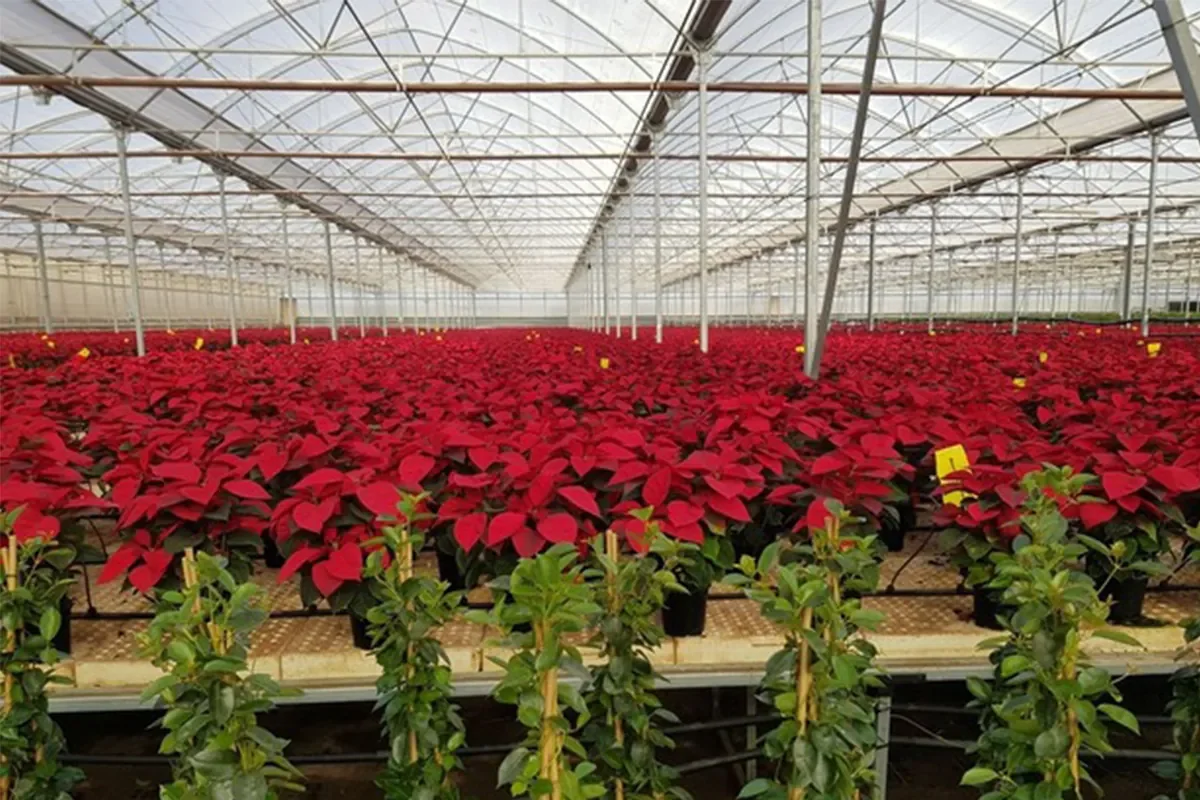
A practical example comes from Flora Gardens, a family-run flower farm located in southern Spain. The company manages more than 20 hectares of modern greenhouses, where intense Mediterranean summer UV radiation and occasional winter cold created challenges for rose and carnation production.
To address these conditions, we provided a highly transparent UV-resistant greenhouse plastic film. The clear greenhouse film was designed to block harmful radiation while maintaining strong light transmission and thermal insulation. This type of agricultural plastic sheeting supports modern greenhouse production by balancing crop protection with the light conditions needed for plant growth.
Within the first year of application, Flora Gardens reported a 15% increase in flower production. The farm also observed improvements in bloom color and uniformity, showing how appropriate film selection can contribute to the greenhouse benefits for plants.
As one grower explained, the film provided the protection and optimal light conditions needed to remain competitive in flower production. This project demonstrates why buyers should evaluate previous film performance carefully before selecting their next covering material.
Using Past Data to Improve Future Procurement Decisions
For professional growers and agricultural distributors, reordering greenhouse film is an opportunity to improve rather than simply replace. Previous experience provides important information about what worked, what failed, and what conditions require additional attention.
Buyers should compare factors such as film lifespan, crop response, maintenance requirements, and environmental performance. These comparisons make procurement decisions more strategic and help businesses select products based on actual operational needs.
At HGDN, we support customers by combining agricultural film knowledge with practical application experience. Our goal is to help partners find solutions that match their greenhouse environments, whether they need improved durability, better light management, or stronger protection against climate challenges.
Turning Film Experience into Better Greenhouse Planning
Learning from previous film failures allows growers to make smarter decisions during future purchasing cycles. By recording installation details, environmental conditions, and crop performance, businesses can reduce uncertainty and improve greenhouse management.
For commercial customers seeking reliable agricultural plastic sheeting, we provide customized greenhouse film solutions designed around different agricultural requirements. At HGDN, we welcome partnerships with growers and distributors who want to improve production efficiency and achieve better long-term greenhouse results through carefully selected materials.