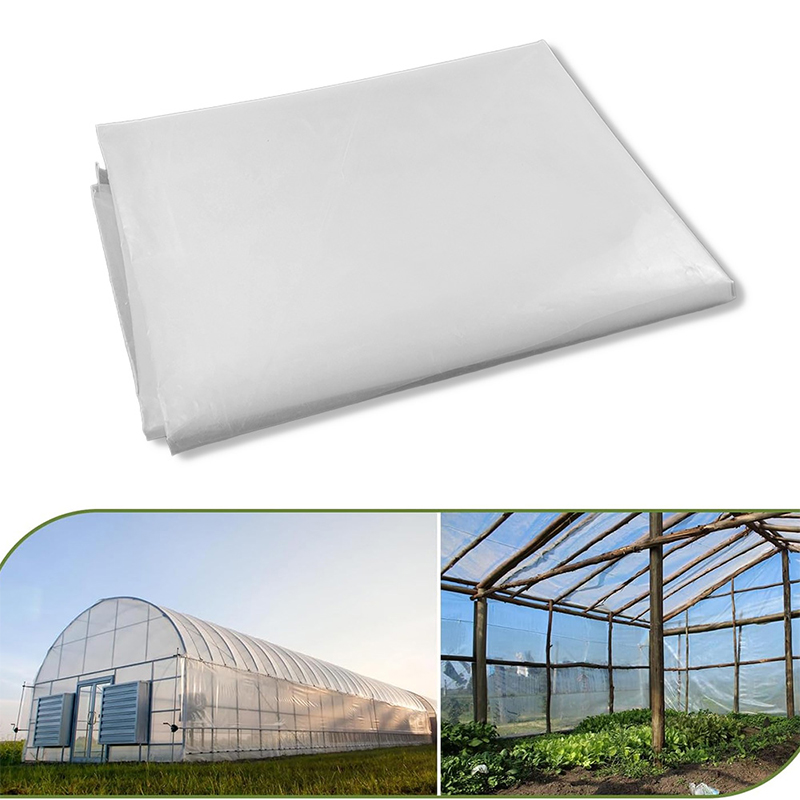
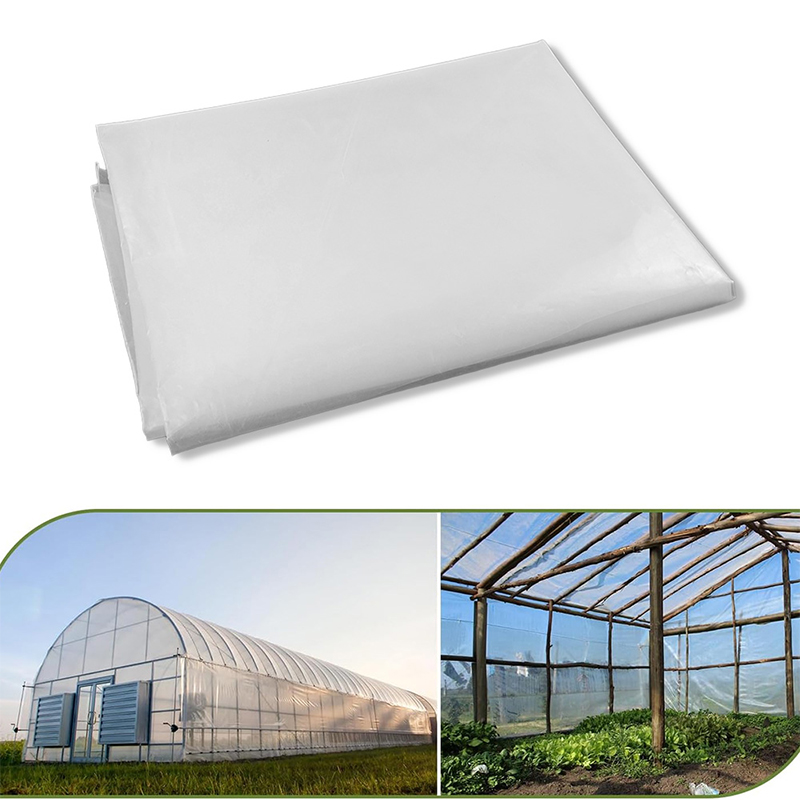
In modern protected agriculture, film selection has become one of the most critical decisions for large-scale growers aiming to improve productivity and profitability. At HGDN, we work closely with commercial growers to support efficient and sustainable greenhouse cultivation systems through advanced plastic film solutions designed for real agricultural challenges. Among these, UV-resistant greenhouse plastic sheeting plays a central role in stabilizing crop environments, reducing risks from climate variability, and improving long-term yield performance. For large farming operations, even small improvements in covering materials can significantly influence operational costs and return on investment (ROI).
The Role of Film Selection in Large-Scale Greenhouse Farming
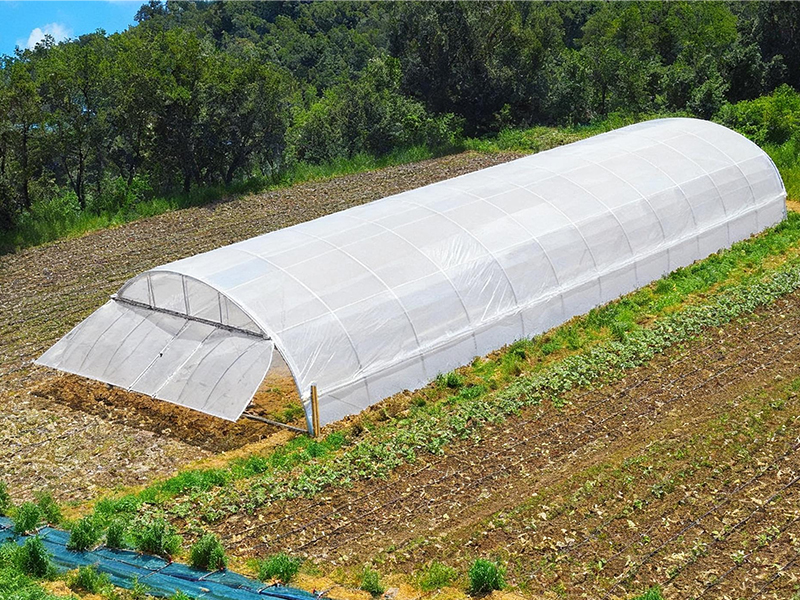
In high-volume agricultural operations, greenhouse covering materials are not just protective layers—they are performance drivers. The right film directly impacts light transmission, temperature control, humidity balance, and crop uniformity. For commercial growers, these factors determine planting cycles, harvest timing, and ultimately revenue stability. When planning large-scale greenhouse cultivation, farmers must evaluate film durability, light diffusion quality, and resistance to environmental stress. A low-quality film may degrade quickly under intense sunlight or extreme weather conditions, leading to higher replacement costs and production interruptions. In contrast, engineered agricultural films provide consistent performance across multiple growing seasons, ensuring predictable outputs. At HGDN, we emphasize that film selection should always align with crop type, regional climate, and operational scale. This strategic approach helps growers reduce waste, optimize resource usage, and enhance overall profitability.
UV Protection and Climate Stability for Higher Yield Efficiency
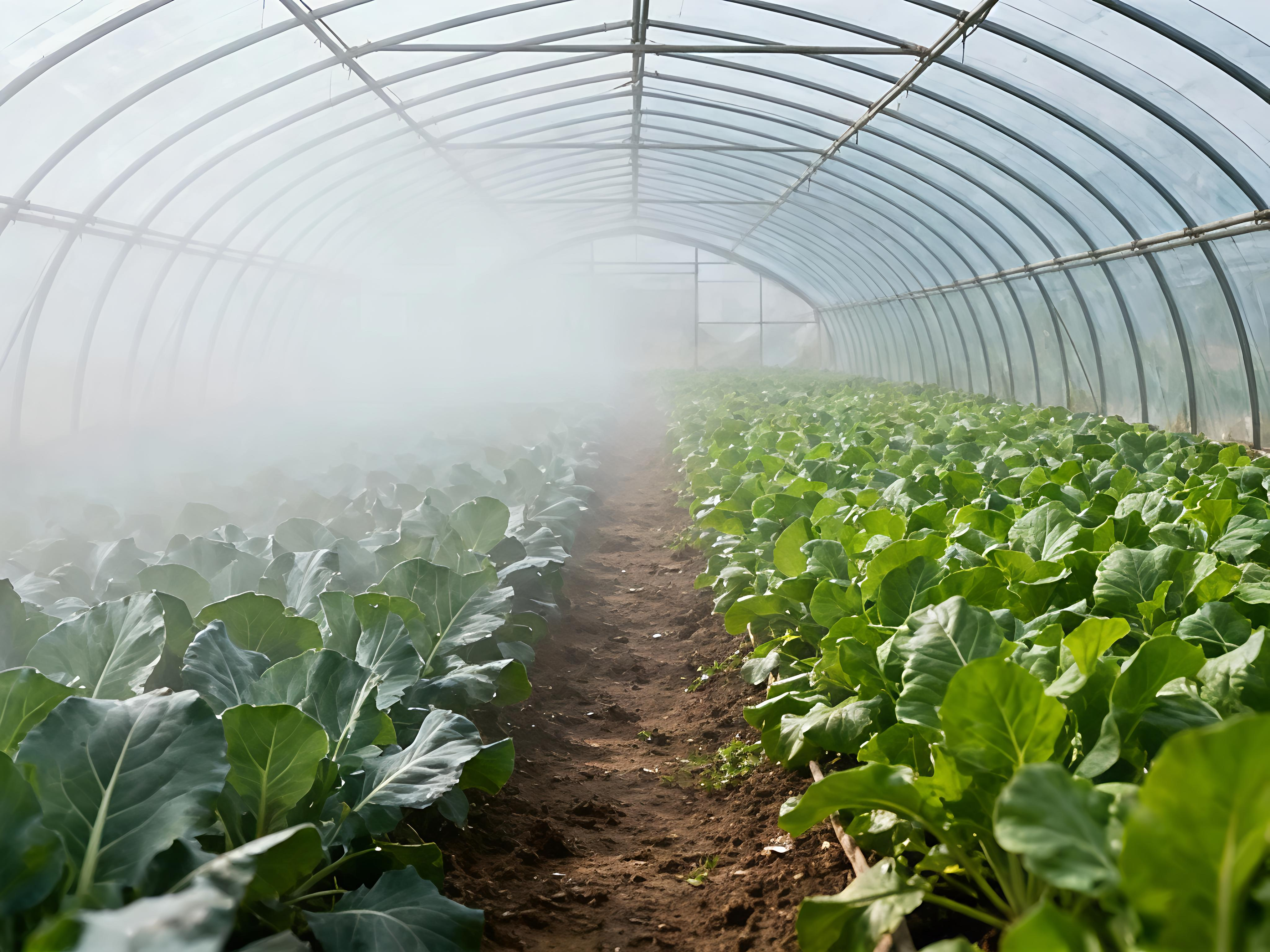
One of the most important performance factors in greenhouse covering materials is UV resistance. In large agricultural facilities, prolonged exposure to sunlight can accelerate material aging, reducing transparency and mechanical strength. This is where UV-resistant greenhouse plastic sheeting becomes essential for maintaining stable greenhouse environments. UV-stabilized films help regulate internal temperatures by minimizing degradation caused by solar radiation. This ensures consistent light diffusion for crops, which is critical for photosynthesis efficiency and uniform plant growth. In large-scale operations, even minor inconsistencies in light distribution can lead to uneven crop development, affecting market value and yield predictability. Additionally, UV-resistant materials reduce the frequency of film replacement, lowering long-term maintenance costs. For commercial growers, this directly contributes to improved ROI by extending the service life of greenhouse covering systems and minimizing operational downtime.
Sustainable Innovation with Biodegradable Agricultural Film
As global agriculture moves toward sustainability, the demand for environmentally responsible materials continues to grow. One of the key innovations supporting this transition is biodegradable agricultural film, which is increasingly adopted in modern farming systems seeking to reduce environmental impact without compromising productivity. Unlike traditional plastic films, biodegradable alternatives are designed to break down under specific environmental conditions, helping reduce long-term soil pollution and disposal challenges. In large-scale farming, this is particularly valuable where repeated field usage and extensive land coverage create significant waste management concerns.
From a financial perspective, biodegradable solutions can also enhance long-term ROI by reducing labor and disposal costs associated with film removal after harvest cycles. When integrated into optimized greenhouse cultivation systems, these materials support both ecological responsibility and operational efficiency. At HGDN, we continuously explore advanced material formulations to help growers balance productivity with sustainability goals, ensuring that innovation translates into measurable agricultural value.
HGDN Manufacturing Strength and Commercial Support
As a professional manufacturer in the agricultural plastics industry, HGDN focuses on delivering high-performance film solutions tailored to commercial farming needs. Our production systems are equipped with advanced technologies, ensuring consistent quality and scalable output for global agricultural clients. We provide factory-direct supply advantages, flexible customization options, and reliable delivery schedules ranging from 15–20 days. In addition, our products meet international standards such as CE, REACH, and BSCI, ensuring compliance with major agricultural markets in Europe and North America.
Beyond manufacturing, HGDN offers 24-hour online consultation and long-term after-sales support, with warranty options ranging from 3 to 10 years depending on product specifications. This commitment allows large-scale growers to plan investments with confidence, reducing uncertainty in procurement and maintenance. By combining technical expertise with industry experience, we help clients optimize film selection strategies to improve operational efficiency and long-term profitability.
Conclusion: Optimizing ROI Through Smarter Film Decisions
In large-scale greenhouse agriculture, success depends on precision decisions at every level—including covering materials. Choosing the right film directly influences yield stability, cost efficiency, and long-term return on investment. Solutions such as UV-resistant greenhouse plastic sheeting improve durability and climate control, helping maintain stable growing environments for crops.
At the same time, biodegradable options can support more sustainable production systems by reducing long-term environmental impact. Together, these materials contribute to more efficient farming practices, helping growers balance productivity with sustainability and achieve stronger overall ROI. At HGDN, we are committed to helping growers make informed decisions through reliable materials, advanced manufacturing, and professional support. By integrating performance-driven film solutions into large-scale operations, farmers can achieve higher efficiency, reduced operational risks, and stronger long-term ROI.