Agricultural distributors play an important role in helping growers understand new farming materials and make informed purchasing decisions. As sustainability becomes a growing consideration in modern agriculture, more growers are exploring alternatives to conventional field coverings. However, many still have questions about performance, application, and environmental benefits. For distributors, explaining the value of compostable mulch film requires clear communication about how the product works and how it compares with traditional options.
Understanding Grower Concerns About Plastic Mulch Film Alternatives
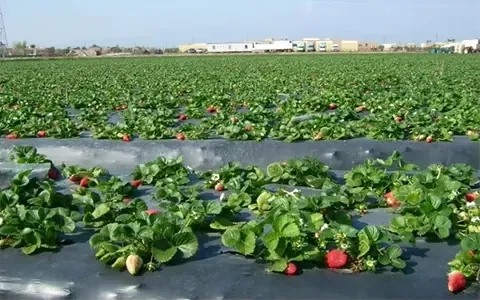
For decades, plastic mulch film has been widely used in vegetable production, fruit cultivation, and other intensive farming systems. It helps control weeds, conserve soil moisture, regulate soil temperature, and improve crop productivity. However, conventional polyethylene-based films can create challenges after harvest because they often require removal, collection, and disposal.
Growers are increasingly looking for solutions that maintain the agricultural benefits of traditional materials while reducing environmental concerns. When introducing new products, distributors should explain that sustainable alternatives are designed to support existing farming practices rather than completely change established cultivation methods.
At HGDN, we focus on developing agricultural materials that address the practical needs of growers and distributors. Our advanced compostable mulch film is engineered to provide the performance expected from conventional agricultural coverings while offering a more environmentally responsible option for modern farming operations.
How to Explain the Performance of Compostable Mulch Film
One of the most important points distributors should communicate is that compostable mulch film is not simply a temporary covering with reduced functionality. Modern biodegradable materials are designed to provide essential functions during the growing season, including moisture retention, weed suppression, and soil protection.
Growers often compare new materials with familiar plastic mulch film, so distributors should highlight the similarities in field performance while explaining the differences in end-of-season handling. A well-designed compostable solution can help reduce the labor associated with collecting used film after harvest.
Our compostable mulch film is developed as a next-generation agricultural product that delivers the functional advantages growers expect while being designed to naturally break down after use. This allows the material to integrate into the soil environment without leaving harmful microplastics or unwanted residues.
Discussing Environmental Benefits Without Overcomplicating the Message
When presenting sustainable agricultural products, distributors should focus on practical benefits that matter to growers. Instead of using complex environmental terminology, it is often more effective to explain how the product can simplify farm management and support long-term soil health goals.
Traditional plastic mulch film can remain in agricultural fields for extended periods if it is not properly collected and managed. This creates additional workload for growers during post-harvest cleanup. Compostable alternatives are designed to address this issue by offering a material pathway that reduces the need for manual removal.
At HGDN, we understand that growers need solutions that balance productivity with responsible agricultural practices. Our biodegradable mulching sheet is designed to naturally decompose after harvest, helping reduce cleanup requirements while supporting healthier farmland management.
Helping Growers Compare Traditional and Sustainable Options
Distributors should avoid presenting compostable products as a simple replacement without considering each farm’s specific conditions. Crop type, climate, soil characteristics, and cultivation methods all influence which mulch solution is most suitable.
When comparing compostable mulch film with traditional plastic mulch film, growers should consider the entire lifecycle of the product. This includes installation, performance during cultivation, harvest procedures, and post-harvest management.
The goal is not only to introduce a new material but also to help growers understand its role within their overall farming system. By providing detailed product information and addressing concerns directly, distributors can build stronger relationships with agricultural customers.
Explaining Product Quality and Manufacturing Standards
Growers often associate sustainable products with questions about durability and reliability. Distributors can help overcome these concerns by explaining that advanced biodegradable materials are developed through controlled manufacturing processes and material research.
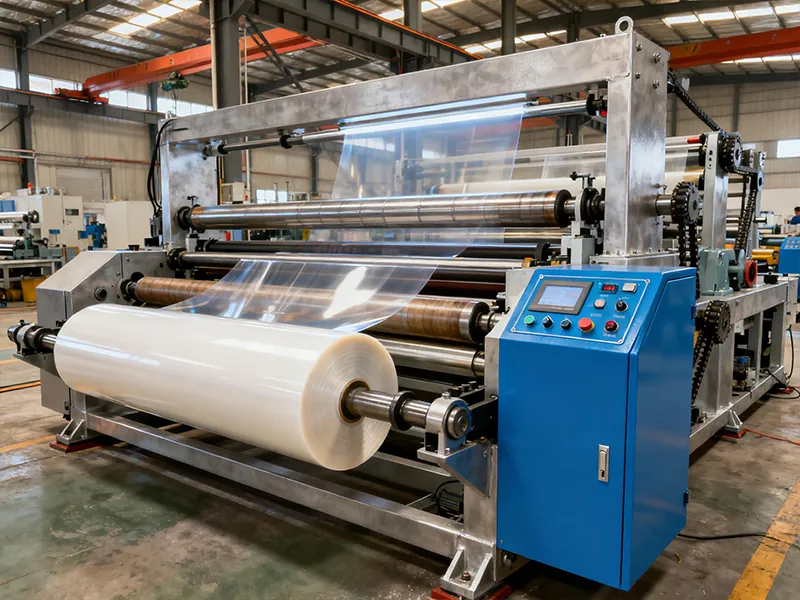
As experienced mulching sheet manufacturers, we focus on creating products that meet agricultural requirements while incorporating improved material technologies. Our advanced compostable mulch film is designed to provide reliable coverage throughout the cultivation period and support efficient farming operations.
For distributors, emphasizing both performance and sustainability helps growers see the product as a practical investment rather than only an environmental choice. Clear explanations about material characteristics, application methods, and expected usage can improve customer confidence.
Building Better Communication Between Distributors and Growers
Successful product promotion depends on education. Growers need accurate information to understand how a new agricultural material fits into their existing workflow. Distributors who provide practical guidance can become trusted partners in helping farms transition toward more sustainable practices.
At HGDN, we support distributors by providing agricultural solutions that combine performance, usability, and environmental considerations. Our biodegradable mulching sheet technology helps address common challenges associated with conventional materials while maintaining the functions growers rely on.
By explaining the benefits of compostable mulch film in terms of productivity, convenience, and long-term agricultural value, distributors can create more meaningful conversations with growers. This approach helps farmers evaluate sustainable options based on real operational needs.
Supporting Sustainable Agriculture Through Better Product Education
Introducing new agricultural materials requires more than highlighting environmental advantages. Growers need to understand how products perform, how they compare with existing solutions, and how they fit into their farming practices.
At HGDN, we continue to develop advanced mulch solutions that help agricultural businesses meet changing market expectations. Our compostable mulch film offers a practical alternative to traditional plastic mulch film, combining cultivation performance with improved end-of-season management. We welcome distributors and growers to contact us to explore sustainable mulch film solutions for future agricultural projects.