Accurate order planning is an important part of agricultural operations, especially when purchasing large volumes of plastic materials for greenhouse and field applications. Ordering too little may interrupt installation schedules, while ordering too much can increase storage pressure and unnecessary costs. By understanding coverage area, product specifications, and project conditions, buyers can estimate the required quantity more effectively.
At HGDN, we understand that agricultural businesses need reliable supply planning before placing orders. Our greenhouse sheeting and agricultural film products are designed with advanced UV stabilizers and durable materials to support different climate conditions, from extreme heat to freezing environments. By helping customers select suitable film grades and calculate requirements, we aim to provide practical solutions for efficient crop protection.
Start with Measuring the Application Area
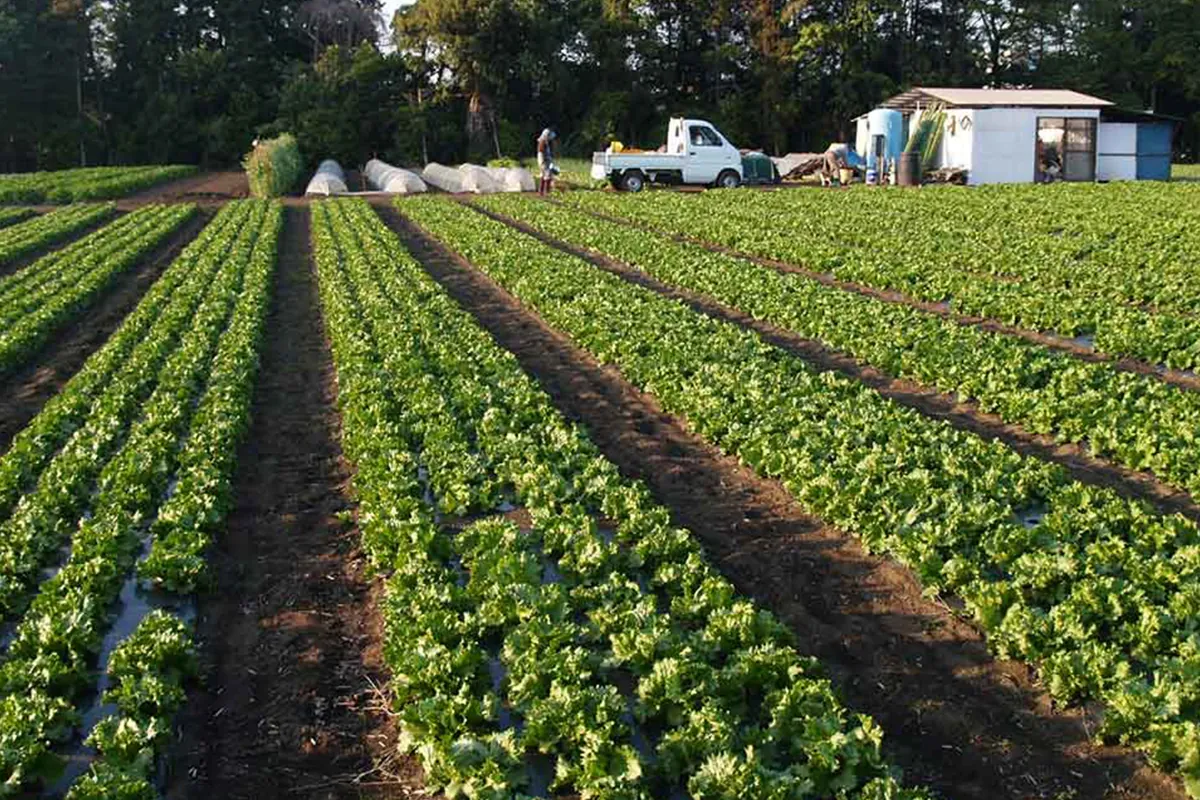
The first step in estimating film quantity is calculating the total area that needs coverage. For greenhouse projects, buyers should measure the length, width, and number of greenhouse structures. For field applications, the calculation should include the total planting area and the layout of cultivation rows.
Accurate measurements help determine the basic coverage requirement before considering additional factors. Buyers should also check whether the film will be installed with overlaps, edge extensions, or additional sections for securing the material.
For example, when purchasing agricultural film for a large farming project, the required quantity is not only based on field size. Installation methods, equipment conditions, and local practices may influence the final order volume. Taking these details into account helps prevent unexpected shortages during installation.
Consider Film Width and Installation Methods
Film width is another important factor when calculating order quantities. Different projects may require different roll sizes depending on greenhouse structures or field layouts. Selecting a suitable width can reduce cutting waste and improve installation efficiency.
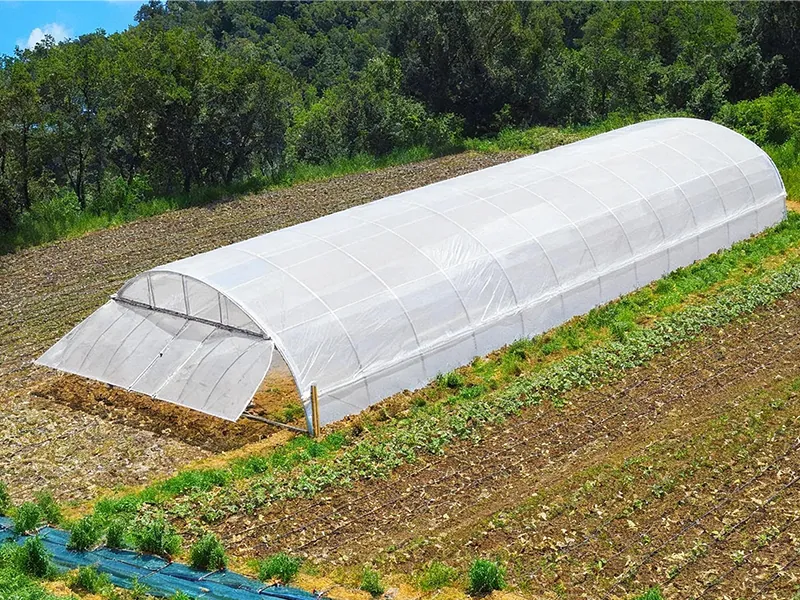
For greenhouse applications, buyers should consider the shape of the structure, including roof curves, sidewalls, and end sections. A wider roll may cover larger areas with fewer seams, while smaller widths may provide more flexibility for certain designs.
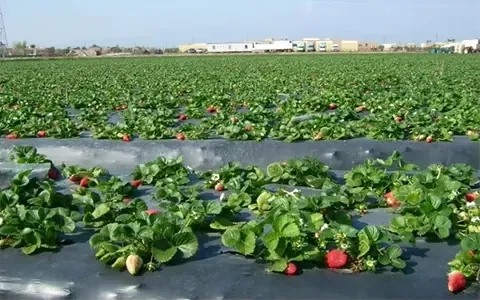
When planning materials such as a black and white mulching sheet, buyers should also evaluate row spacing and field arrangement. Proper planning ensures the material covers the intended growing area while reducing unnecessary leftover sections.
Add Extra Material for Practical Installation Needs
Although calculations provide a basic estimate, professional buyers usually include additional material to handle real-world conditions. Extra film may be needed for overlaps, anchoring, trimming, repairs, or future maintenance.
The amount of additional material depends on the application type and installation method. Greenhouse projects with complex structures may require more allowance than simple flat coverage applications. Similarly, agricultural fields with irregular shapes may need additional material to achieve complete coverage.
At HGDN, we help customers consider these practical factors when selecting film products. Our goal is to make sure businesses receive suitable quantities that support their projects without creating unnecessary waste.
Match Film Selection with Climate and Crop Requirements
Quantity planning should always be combined with product selection. Different climates create different challenges, including strong sunlight, temperature changes, moisture, and seasonal weather conditions.
Our greenhouse sheeting and agricultural film products are engineered with advanced UV stabilizers and durable materials to withstand a wide range of climates. We offer different grades to match specific environmental requirements, helping customers maintain reliable performance and crop protection.
For growers using a black and white mulching sheet, factors such as light reflection, soil temperature management, and crop type should also be considered. Choosing the correct product specification ensures that the purchased quantity delivers the expected agricultural benefits.
Plan Orders Based on Storage and Supply Cycles
Beyond calculating immediate project needs, buyers should consider storage capacity and future demand. Large agricultural operations often need materials available during specific planting periods, making early planning essential.
Working with a dependable supplier allows businesses to organize purchasing schedules more effectively. Stable production capacity and consistent product quality help customers avoid delays during important agricultural seasons.
At HGDN, we support global agricultural partners with factory-direct manufacturing and flexible supply solutions. Our experience allows us to work with different market requirements and provide products suitable for various farming applications.
Improving Purchasing Decisions Through Accurate Estimation
Estimating film quantity does not need to be complicated when buyers follow a structured approach. Measuring coverage areas, selecting appropriate widths, accounting for installation requirements, and considering climate conditions can create a more accurate purchasing plan.
As an experienced manufacturer, we provide solutions that support commercial growers, distributors, and agricultural businesses. Our products are developed to meet the needs of demanding environments, with options that many customers consider among the best greenhouse film solutions for challenging conditions.
At HGDN, we focus on helping customers make informed decisions through reliable products and professional support. Whether businesses require greenhouse sheeting, agricultural film, or a black and white mulching sheet for specific applications, we are ready to provide customized solutions that support efficient farming operations. Contact us to discuss your project requirements and find the right film solution for your market.