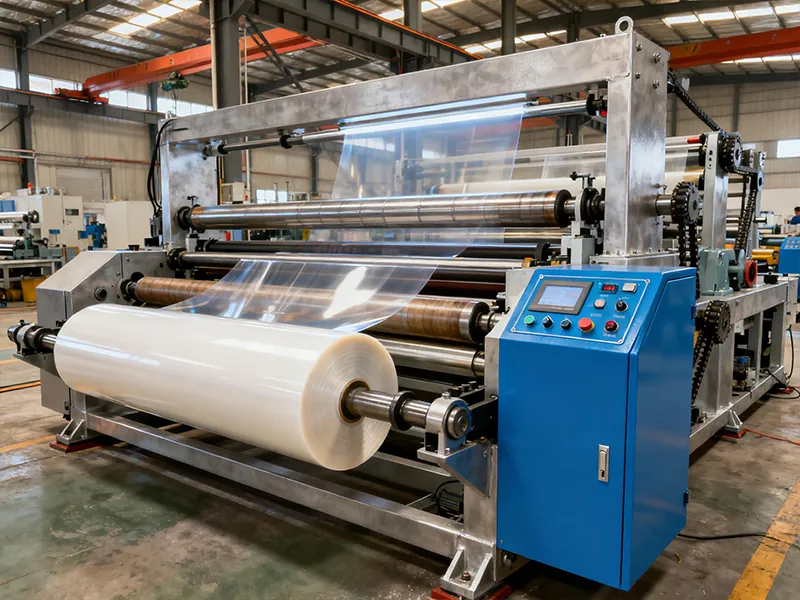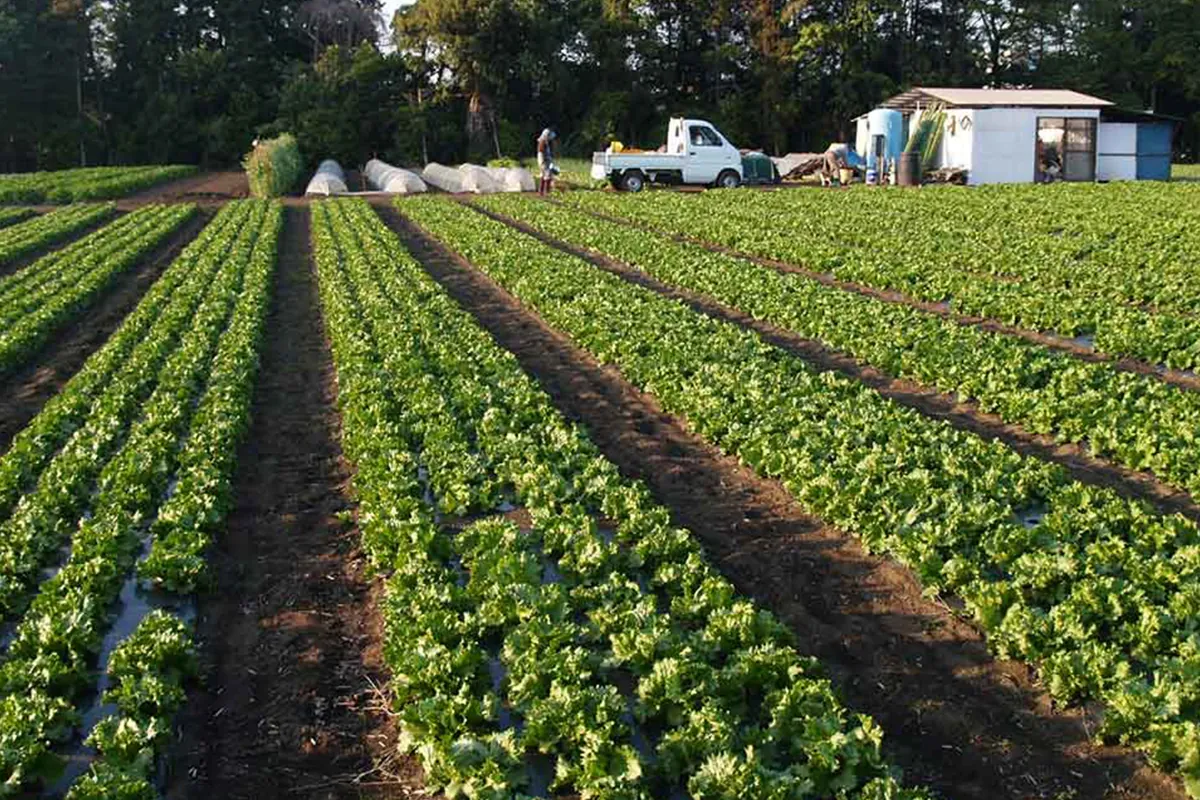
Tracking the performance of mulch film throughout a growing season helps agricultural businesses make better decisions for future planting cycles. Instead of evaluating results only after harvest, growers can record changes in soil conditions, labor requirements, crop development, and yield performance from installation to harvest. At HGDN, we provide agricultural plastic sheeting solutions that support growers in improving field management while collecting practical production data.
Why Seasonal Documentation Matters for Mulch Film Evaluation
Mulch film performance is influenced by many factors, including weather conditions, crop type, irrigation methods, and field management practices. A single observation at the end of a season may not fully explain how a film affected cultivation. Regular documentation allows growers to identify connections between material performance and crop outcomes.
For commercial farms, seasonal records can also support purchasing decisions. By comparing data from different planting cycles, growers can determine whether a specific mulch solution improves weed control, moisture management, labor efficiency, or crop quality. This information provides a stronger foundation when selecting future agricultural plastic sheeting products.
A complete evaluation does not need to be complicated. Basic records, including installation dates, weather observations, irrigation schedules, and crop growth notes, can provide valuable insights. The key is maintaining consistency throughout the growing period.
Recording Field Conditions Before Mulch Film Installation
The first step in documenting mulch film performance is establishing a baseline before installation. Growers should record existing soil conditions, weed levels, moisture status, and crop preparation methods. These initial observations help create a reference point for measuring changes later.
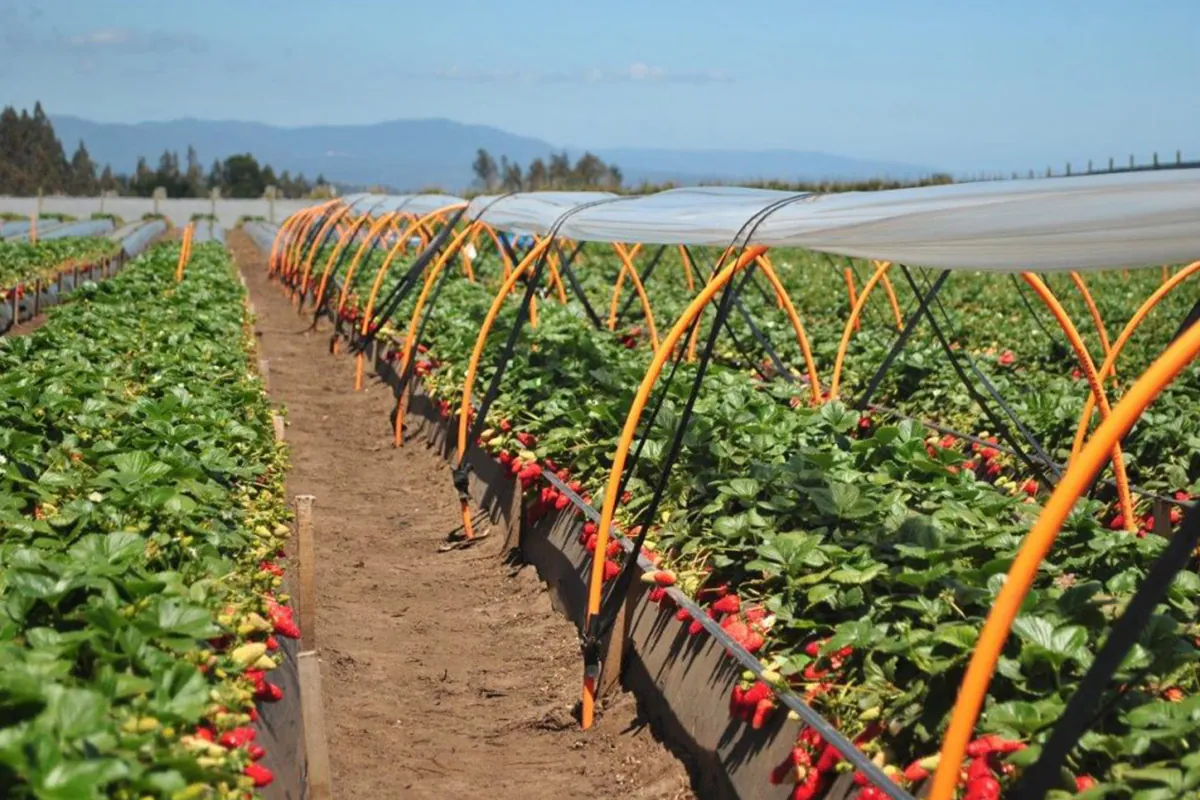
Irrigation planning should also be included in early records. When growers use drip tape irrigation supplies, they can document irrigation frequency, water distribution, and system adjustments during the season. Understanding the relationship between irrigation management and mulch film performance helps create a more complete production analysis.
At HGDN, we understand that agricultural materials work as part of a larger cultivation system. Mulch film, irrigation components, and planting methods must work together to support crop development. Recording these factors allows growers to evaluate the complete growing process rather than a single product alone.
Monitoring Mulch Film Performance During Crop Growth
Throughout the season, growers should regularly inspect mulch film conditions. Important observations include film coverage, surface condition, weed growth around planting areas, and moisture levels beneath the film. These records help identify whether the material continues to perform under changing field conditions.
Agricultural plastic sheeting can provide different benefits depending on its design and application. For example, black surfaces are commonly used to reduce weed growth and help maintain soil moisture, while reflective surfaces may influence soil temperature and pest management. Recording these effects allows growers to understand how specific film characteristics contribute to field performance.
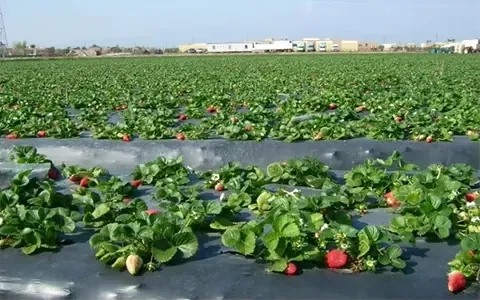
A practical example comes from a Chilean alpine strawberry planting project at Campos Altos, a high-quality strawberry farm located in the Andes foothills. The farm faced challenges including spring frost, weed pressure, and soil moisture loss, which affected yield and fruit quality.
To address these conditions, we supplied a dual-sided agricultural plastic mulch solution. The black side helped block weeds and retain moisture, while the silver side reflected sunlight, helped cool the soil, and supported pest management. By combining these functions, the plastic mulch sheet provided a comprehensive approach to the farm’s cultivation challenges.
Connecting Mulch Film Records with Harvest Results
Harvest data provides another important part of seasonal documentation. Growers should record yield, fruit size, quality characteristics, and labor requirements to understand the practical impact of mulch film use.
At Campos Altos, the use of our biodegradable agricultural film contributed to measurable improvements. The farm reported improved seedling survival, a 30% reduction in weeding labor, and a 15% increase in yield with larger and firmer strawberries. These results helped the farm meet higher export standards while improving cultivation efficiency.
The farm manager shared, “Your mulch film solved our climate and management challenges at once — it helps us grow better strawberries.” This feedback demonstrates how field records and grower experience can provide valuable information when evaluating agricultural solutions.
Combining Irrigation and Mulch Data for Better Decisions
Mulch film performance should be reviewed together with irrigation management. Water availability, application frequency, and distribution uniformity can influence how effectively mulch film supports crop growth. For this reason, growers should include irrigation information in their seasonal reports.
Using reliable drip tape irrigation supplies allows growers to maintain more consistent watering practices and compare results across different fields or seasons. When irrigation records are combined with mulch observations, farms can better understand how materials interact within their cultivation systems.
For agricultural businesses managing multiple growing locations, this type of documentation can support long-term planning. It provides evidence for selecting materials, adjusting installation methods, and improving operational efficiency.
Building a Data-Based Approach to Agricultural Film Selection
Seasonal documentation transforms mulch film evaluation from a simple visual check into a structured management process. By recording field conditions, irrigation practices, crop performance, and harvest results, growers can better understand the value of their material choices.
At HGDN, we continue to provide agricultural solutions that support growers with reliable products and practical cultivation guidance. Our agricultural plastic sheeting, mulch film, and drip tape irrigation supplies are designed to meet different farming requirements while helping customers develop more efficient production systems. By combining quality materials with careful documentation, growers can make informed decisions for future seasons and achieve more consistent results.