For first-time buyers entering the agricultural industry, setting up a protective cultivation environment often begins with a crucial decision: choosing the right cover. Navigating the diverse marketplace of greenhouse plastic film types requires a clear understanding of material properties, structural longevity, and how different optical technologies affect crop development. As a dedicated plastic film manufacturer, we continuously engineer specific formulations that stabilize internal environments, shield plants from harsh external weather, and maximize seasonal yields for commercial growers globally.
Grasping the Basics of Agricultural Plastics
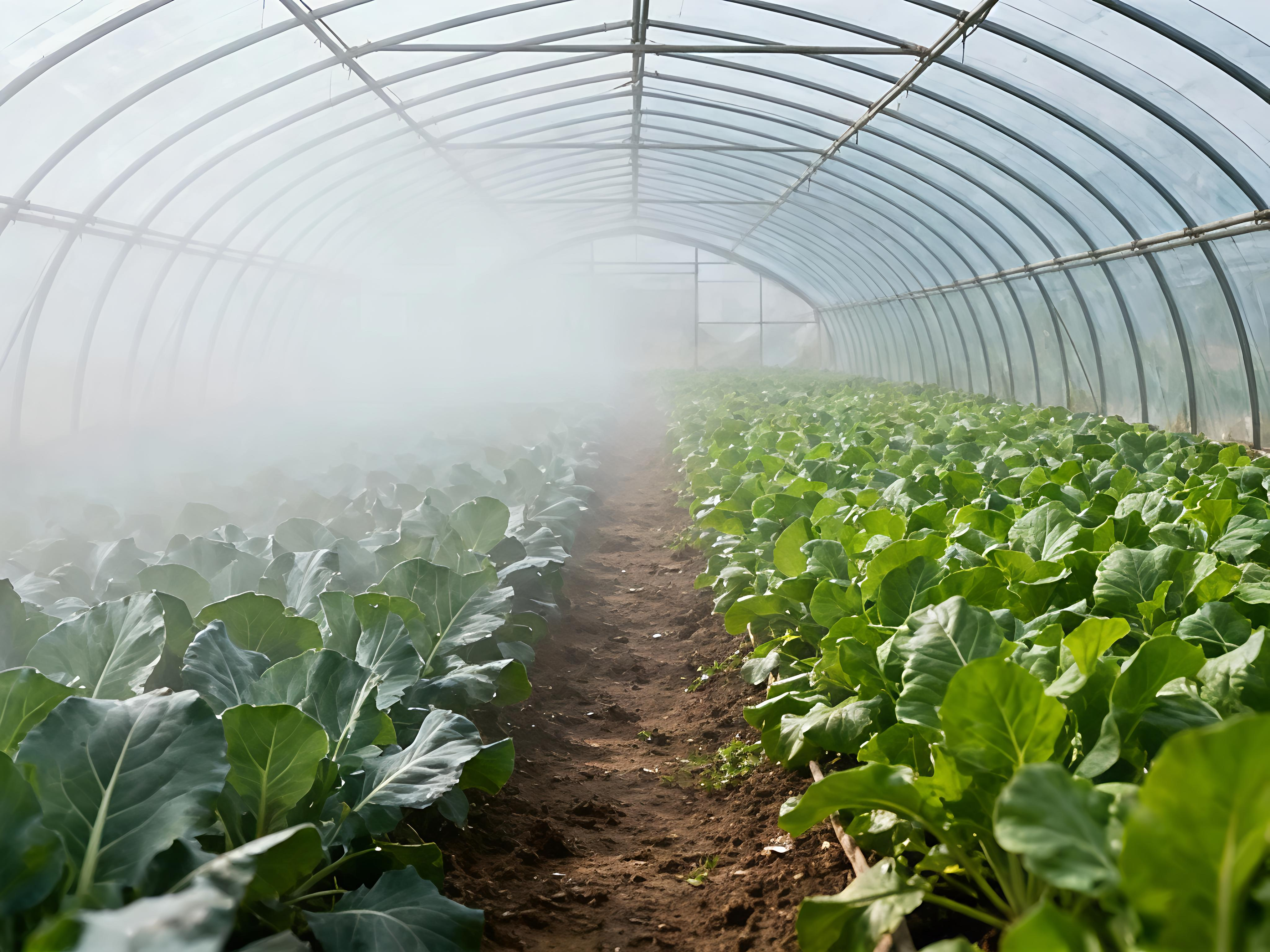
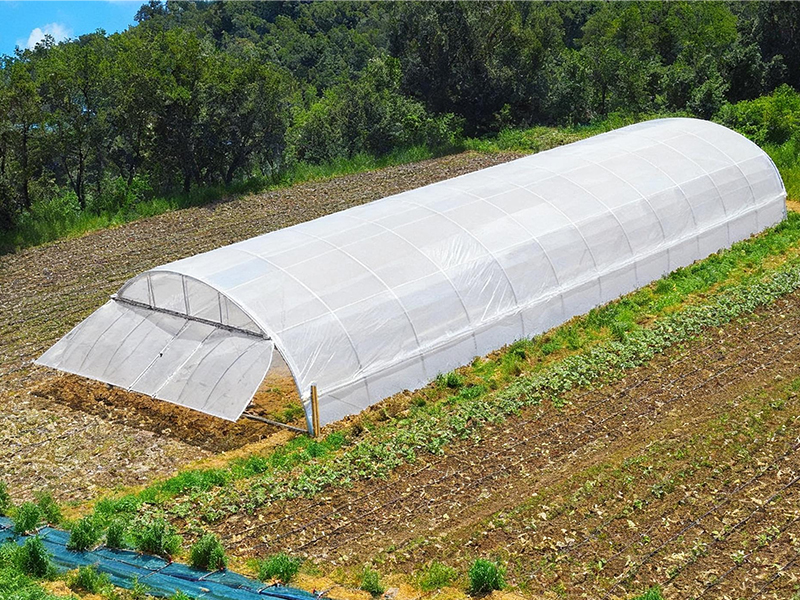
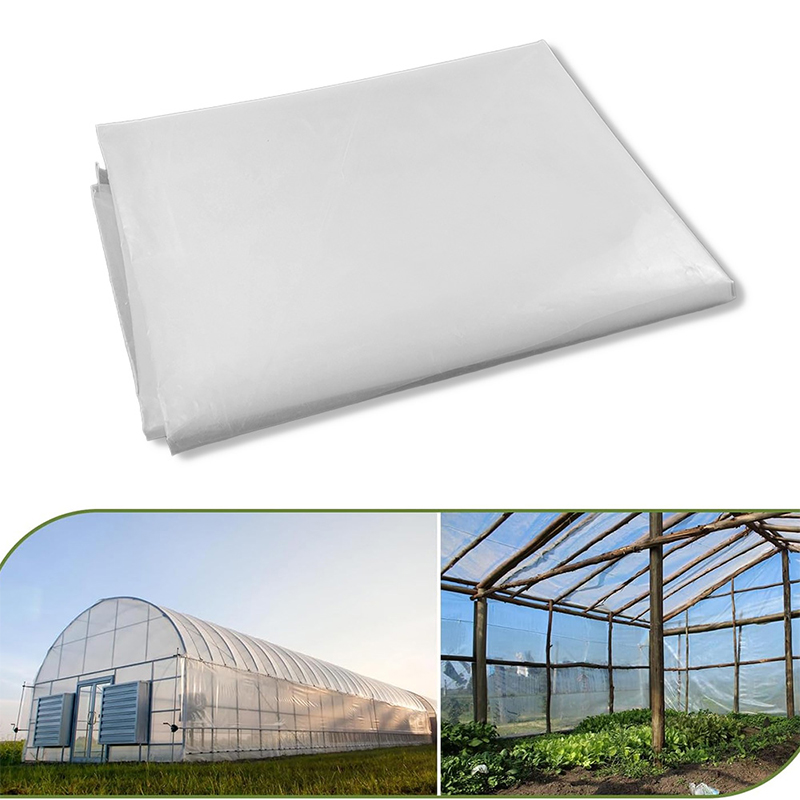
When evaluating greenhouse plastic film types, commercial growers generally encounter multi-layer polyethylene structures designed for varying climates. Standard options include clear films for maximum light transmission, infrared-reflecting covers that trap thermal energy during cold nights, and specialized light diffusion materials. As experienced mulch film manufacturers who understand the broad spectrum of agricultural plastics, we know that selecting the correct thickness, typically ranging from 80 to 200 microns, directly dictates the structural integrity and wind resistance of your growing tunnel. First-time investors must prioritize products manufactured with advanced multi-layer co-extrusion technology, which ensures that functional additives like anti-drip, anti-fog, and ultraviolet inhibitors are integrated throughout the entire matrix rather than just applied as a temporary surface coating.
Understanding the Role of Diffusion in Crop Growth
A major point of confusion for new buyers is the distinction between direct light and scattered light within a growing structure. Standard clear plastic allows raw sunlight to pass straight through, which can create intense hot spots, uneven temperature distribution, and shadow zones underneath dense plant canopies. Utilizing a light diffuser film solves this issue by breaking up direct sunbeams and scattering them evenly across the entire cultivation area. This mechanical scattering allows sunlight to penetrate deeper into the lower leaves of tall crops, stimulating uniform photosynthesis and preventing leaf scorch during peak summer hours. Our production facility utilizes automated extrusion machinery to perfect these optical properties, ensuring that optimal scattering is achieved without reducing the total photosynthetically active radiation required for healthy plant metabolism.
Factory Logistics and Quality Compliance
Sourcing high-quality agricultural materials requires a reliable manufacturing partner capable of meeting strict international standards. At HGDN, we streamline the procurement process for commercial farms and global distributors by maintaining a reliable production timeline of 15 to 20 days for custom orders. Our industrial setup includes specialized weaving machinery, water-jet looms, and advanced extrusion lines to guarantee structural uniformity across all custom dimensions. To protect your agricultural investment, we provide comprehensive product warranties ranging from 3 to 10 years depending on the specific environmental conditions of your region, backed by 24-hour online technical support. Furthermore, all our agricultural materials strictly comply with European and North American regulatory benchmarks, including CE, REACH, and BSCI certifications, ensuring chemical safety and operational transparency.
Conclusion
Understanding the primary greenhouse plastic film types allows first-time buyers to make informed purchasing decisions that prevent premature material failure and optimize crop yields. Balancing raw light transmission with proper diffusion and long-term UV stabilization creates a more predictable and profitable growing environment. By partnering with an established manufacturing facility that adheres to international quality compliance and provides dependable warranty coverage, you protect your agricultural infrastructure against unpredictable climate challenges.