Sourcing reliable cultivation materials requires international procurement managers to evaluate manufacturing capabilities thoroughly before placing large commercial orders. As a dedicated greenhouse film supplier, we understand that finding a partner who can balance structural longevity, technical certification, and timely distribution impacts your seasonal bottom line. Importers must look beyond basic price points and instead ask deep questions regarding raw material configurations, manufacturing technology, and logistics capabilities. These inquiries include verifying UV stability parameters, asking about raw material origins, evaluating strict thickness tolerances, checking regional regulatory compliance certificates, and confirming true mass production timelines. Addressing these five foundational operational questions early reduces international supply chain risks, minimizes unexpected shipping delays, protects high-value commercial crops from material failures, and ensures a seamless importing process from start to finish.
Core Parameters and Manufacturing Evaluation
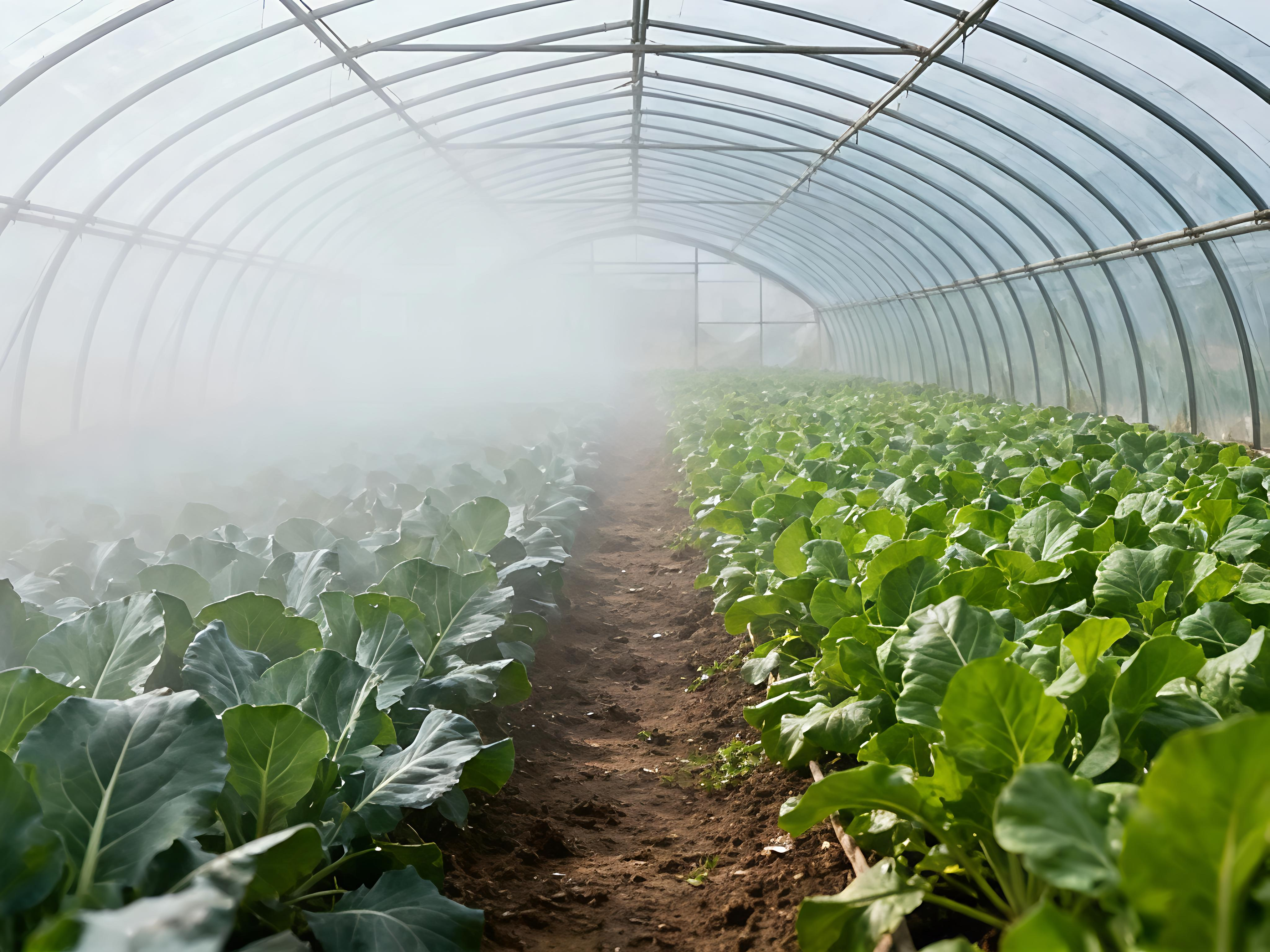
Evaluating how a production facility addresses precise product configurations reveals its true capacity for handling complex global contracts. Importers must first ask suppliers about their extrusion technology and what specific mechanical properties their clear greenhouse plastic sheeting provides under intense sunlight. Our specialized 130 micron clear greenhouse plastic film serves as an excellent reference point, as it utilizes multi-layer co-extrusion to provide optimal light transmission and balanced UV resistance over multiple seasons. Next, ask about multi-layer polymer distribution, structural thickness uniformity, and the specific functional additives included, such as anti-drip or anti-fog properties. Understanding these structural details helps commercial buyers determine whether a material can endure heavy wind, intense hail, or rapid temperature fluctuations without premature tearing or clouding.
Maintenance Routines and Soil Layer Coordination
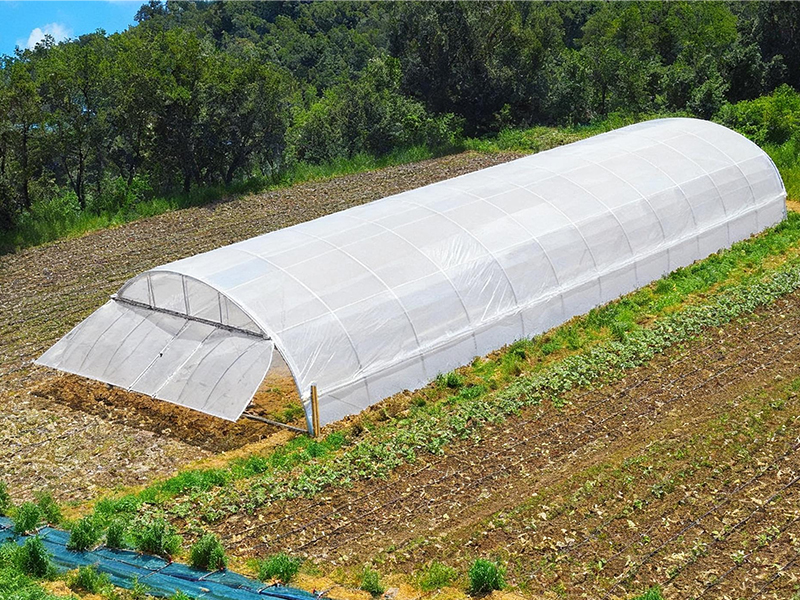
The third and fourth vital questions every professional importer should ask revolve around product integration guides and supplementary field maintenance requirements. Importers need to know if a manufacturer provides clear guidelines, such as advising teams to clean dust and snow from your agricultural plastic film promptly to maintain optimal light transmission. Additionally, ask how their overhead coverings interface with ground layers, specifically inquiring if they supply matching high-grade agricultural mulch film to regulate soil moisture. Field operators must follow strict procedures, ensuring that before and after strong winds, they check the pressure wires on reinforced greenhouse film to prevent flapping or tearing. Ground installations require similar diligence; you must immediately repair any holes in plastic mulch film with specialized tape to maintain insulation performance. During hot weather, install a shade net when using protective materials to protect crops from intense sunlight and high temperatures. Finally, at night, cover our biodegradable agricultural mulch film with insulating blankets or straw mats to minimize heat loss, and after the growing season, carefully remove our biodegradable mulch, clean and dry it, then store it in a cool, dark place to prevent degradation.
Conclusion
The final critical question centers on supply chain security, verification credentials, and long-term buyer protections. At HGDN, we address these procurement hurdles by offering global distribution networks fully certified under European and North American CE, REACH, and BSCI standards. Our advanced production infrastructure utilizes round looms, warp knitting machinery, water-jet looms, and imported Swiss projectile looms to guarantee an efficient 15-to-20-day delivery time for volume commercial orders. We support international distributors with 24-hour online technical assistance and structural warranties ranging from 3 to 10 years depending on material specifications. Choosing a partner who successfully answers all five operational questions ensures your farm receives durable materials, dependable logistics, and comprehensive technical backup for predictable harvesting cycles.