Choosing the right greenhouse film is an important step in building a stable and productive growing environment. As a manufacturer with years of experience, we at HGDN understand that different climates, crops, and project scales require different material solutions. When growers look for a reliable greenhouse film supplier, they are not only comparing prices but also evaluating durability, light performance, and long-term usability. In this guide, we share practical insights to help you select suitable greenhouse plastic film based on real application needs.
Understanding Material Performance and Structure
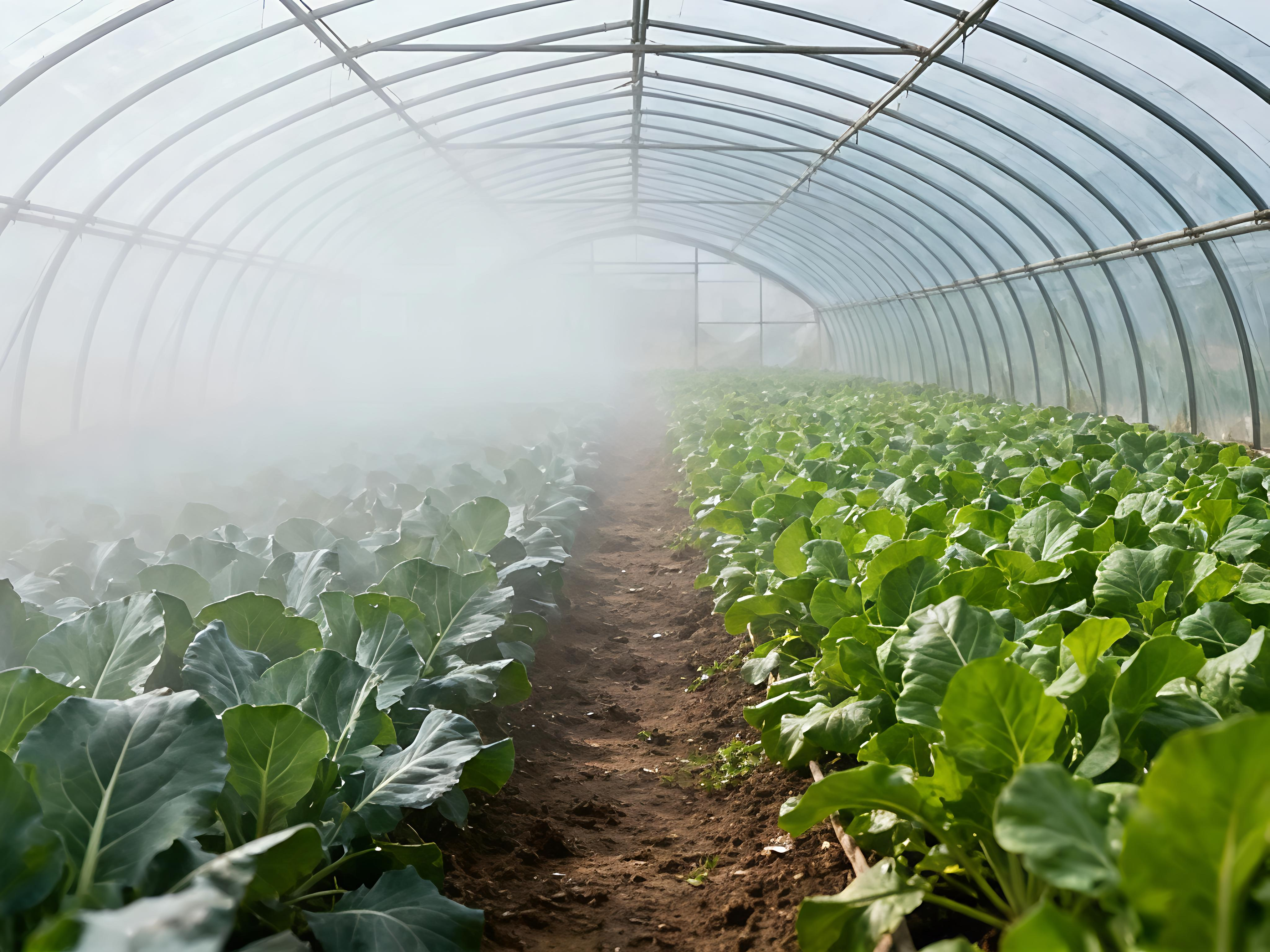
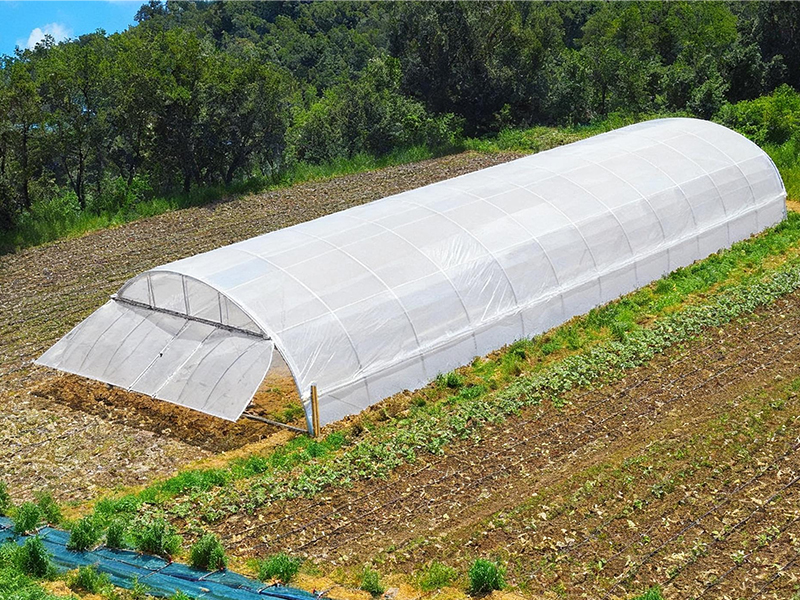
When selecting greenhouse film, the first factor to consider is material structure. Multi-layer co-extrusion technology improves durability and functional performance compared to single-layer films. As a greenhouse film supplier, we often recommend evaluating UV resistance, thickness, and coating features together rather than separately. For example, our 130 micron clear greenhouse plastic film is designed with enhanced UV stabilizers, allowing a service life of around 3–5 years under strong sunlight conditions. In addition, anti-drip and anti-fog coatings help reduce condensation, which can lower the risk of plant diseases while improving light penetration. These features are essential when choosing greenhouse plastic film for consistent crop growth.
Light Transmission and Crop Productivity
Light is one of the most critical factors in greenhouse cultivation. A high-quality greenhouse plastic film should allow sufficient light transmission while maintaining a balanced internal climate. From our experience as a greenhouse film supplier, films with over 90% transparency can significantly support photosynthesis and promote earlier harvest cycles. At the same time, anti-fog performance ensures that light is not blocked by water droplets. When selecting greenhouse film, growers should also consider how different coatings interact with local weather conditions. We always suggest matching film specifications with crop types to achieve more stable yields.
Strength, Durability, and Practical Use
Mechanical strength is another key factor that should not be overlooked. A reliable greenhouse film supplier should provide materials that can withstand environmental stress such as wind, hail, and snow loads. Our 130 micron solution offers strong tensile strength and puncture resistance, which helps maintain structural integrity over time. At HGDN, we combine advanced production equipment with consistent quality control to ensure each roll of greenhouse film performs reliably in real agricultural settings. In addition, stable delivery times and long-term warranty options support growers in managing project timelines and maintenance expectations.
Conclusion
Selecting the right greenhouse plastic film involves balancing durability, light performance, and environmental adaptability. Through our work at HGDN, we have seen that a well-chosen greenhouse film supplier can make a meaningful difference in long-term greenhouse efficiency. By focusing on material structure, light transmission, and mechanical strength, growers can make more informed decisions and build systems that support sustainable agricultural practices.