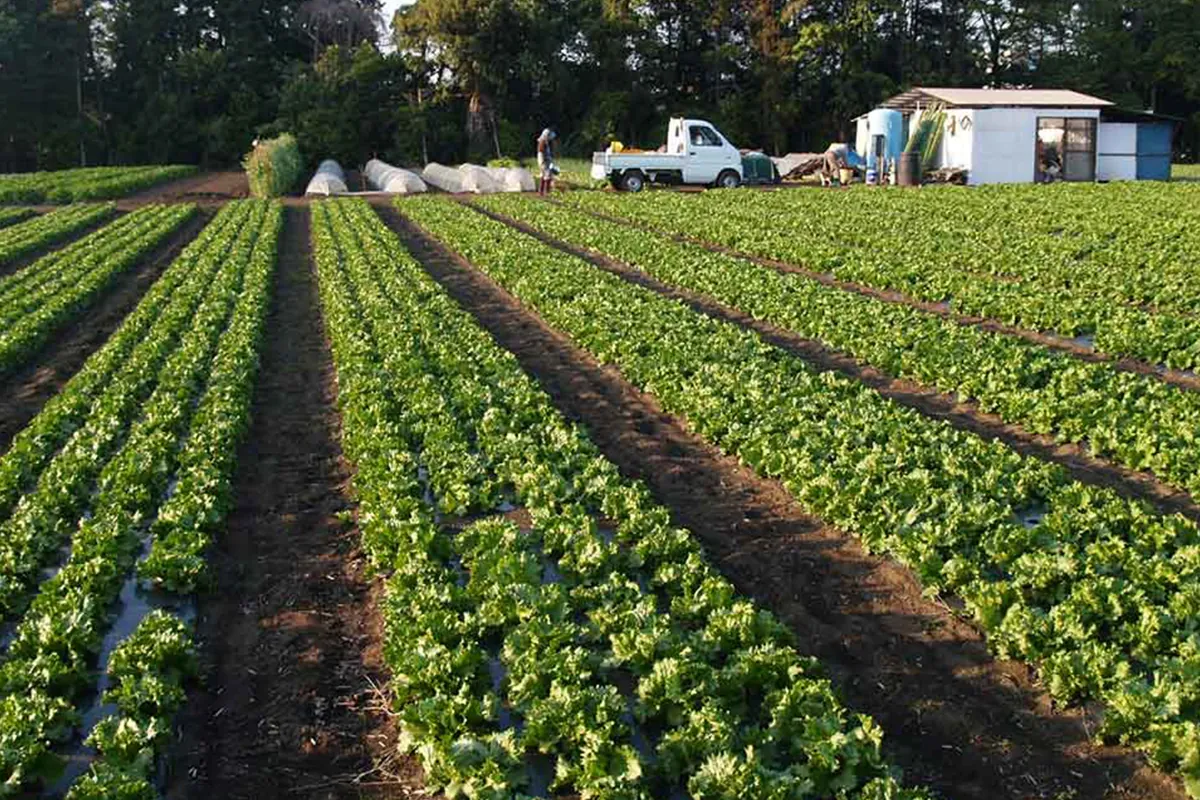
Farmers and agricultural businesses are increasingly exploring alternatives to traditional plastic mulch solutions as sustainability goals become more important across the industry. Transitioning from conventional materials to a new covering system requires careful evaluation rather than immediate large-scale replacement. A small-scale trial allows growers to compare field performance, understand practical requirements, and determine whether compostable mulch film fits their cultivation strategies.
Why Small-Scale Trials Matter Before Switching Mulch Materials
Agricultural decisions often involve balancing productivity, cost management, and environmental considerations. Traditional polyethylene mulch film has been widely used because of its strength, moisture retention capabilities, and ability to support weed control. However, concerns about plastic residue accumulation and disposal challenges have encouraged growers to investigate more sustainable options.
A trial approach helps businesses collect real field data before expanding usage. By testing a limited area first, growers can evaluate installation processes, crop responses, durability during the growing season, and post-harvest handling. This information provides a practical foundation for future purchasing decisions.
For farms with multiple fields or different crop varieties, small-scale testing is especially valuable. Soil conditions, climate patterns, and cultivation methods can influence how a mulch solution performs. A controlled trial helps identify whether adjustments are needed before broader adoption.
Comparing Conventional Mulch Film and Compostable Alternatives
Conventional plastic mulch film has supported modern agriculture for decades, but its disposal after use can create additional labor and management challenges. After harvesting, farmers often need to remove, collect, and process used plastic materials, which increases operational workload.
Our advanced compostable mulch film provides an alternative approach by delivering the performance expected from conventional plastic mulch film while reducing long-term environmental concerns. Unlike traditional polyethylene mulch films that may remain in soil for decades, our biodegradable mulching sheet is designed to naturally decompose after harvest without leaving harmful microplastics or residues.
This development represents a shift in how agricultural coverings are considered. Instead of focusing only on short-term field performance, growers can also evaluate the complete lifecycle of the material. For farms seeking more sustainable production methods, compostable solutions offer a way to rethink post-harvest management.
Planning Trial Conditions for Reliable Results
A successful trial requires clear objectives and proper planning. Before applying a new mulch material, growers should define what they want to measure. Common evaluation points include crop growth, soil moisture retention, weed suppression, installation convenience, and material performance throughout the cultivation period.
Trial areas should represent normal growing conditions whenever possible. Testing the material in a realistic environment allows farmers to gather information that is more useful for future decisions. Keeping records of weather conditions, crop development, and maintenance requirements can also help compare results with previous mulch practices.
Working with experienced mulch film manufacturers can further improve the trial process. Suppliers with agricultural knowledge can provide guidance on suitable applications, material characteristics, and recommended usage conditions based on different farming requirements.
Key Factors to Discuss With Mulch Film Manufacturers
When selecting a compostable solution, buyers should communicate openly with suppliers about project expectations. Material composition, application methods, storage requirements, and field conditions are important topics to clarify before beginning a trial.
Reliable mulch film manufacturers should be able to explain how their products are designed, tested, and adapted for agricultural use. Clear technical communication helps growers understand whether the material matches their crop cycles and operational goals.
At HGDN, we focus on developing agricultural film solutions that support practical farming needs. Our compostable mulch film is designed to maintain the functional advantages of conventional mulch materials while offering improved environmental compatibility. We work with agricultural partners to help them evaluate suitable solutions based on their specific production conditions.
Evaluating Trial Performance Beyond Crop Yield
Yield is an important measurement in agriculture, but it should not be the only factor considered during a mulch film trial. A complete evaluation should include labor requirements, installation efficiency, field management, and cleanup procedures after harvest.
One advantage of our biodegradable mulching sheet is that it is designed to simplify post-harvest handling. Traditional plastic mulch often requires collection and disposal processes, while compostable materials can reduce the burden associated with removing used film from fields.
For businesses managing sustainable agriculture projects, these operational factors can influence long-term value. A material that supports crop production while reducing cleanup demands may contribute to improved efficiency across the farming process.
Moving Toward Sustainable Mulching Practices With Confidence
The transition from conventional plastic mulch to compostable alternatives requires thoughtful evaluation and practical field testing. A small-scale trial gives growers the opportunity to understand product performance, manage risks, and make informed decisions before wider implementation.
At HGDN, we continue developing agricultural film solutions that connect farming efficiency with environmental responsibility. Our compostable mulch film helps growers explore a new approach to crop management by providing reliable performance while supporting more sustainable soil practices. By working with experienced mulch film manufacturers and planning trials carefully, agricultural businesses can take confident steps toward the future of sustainable cultivation.