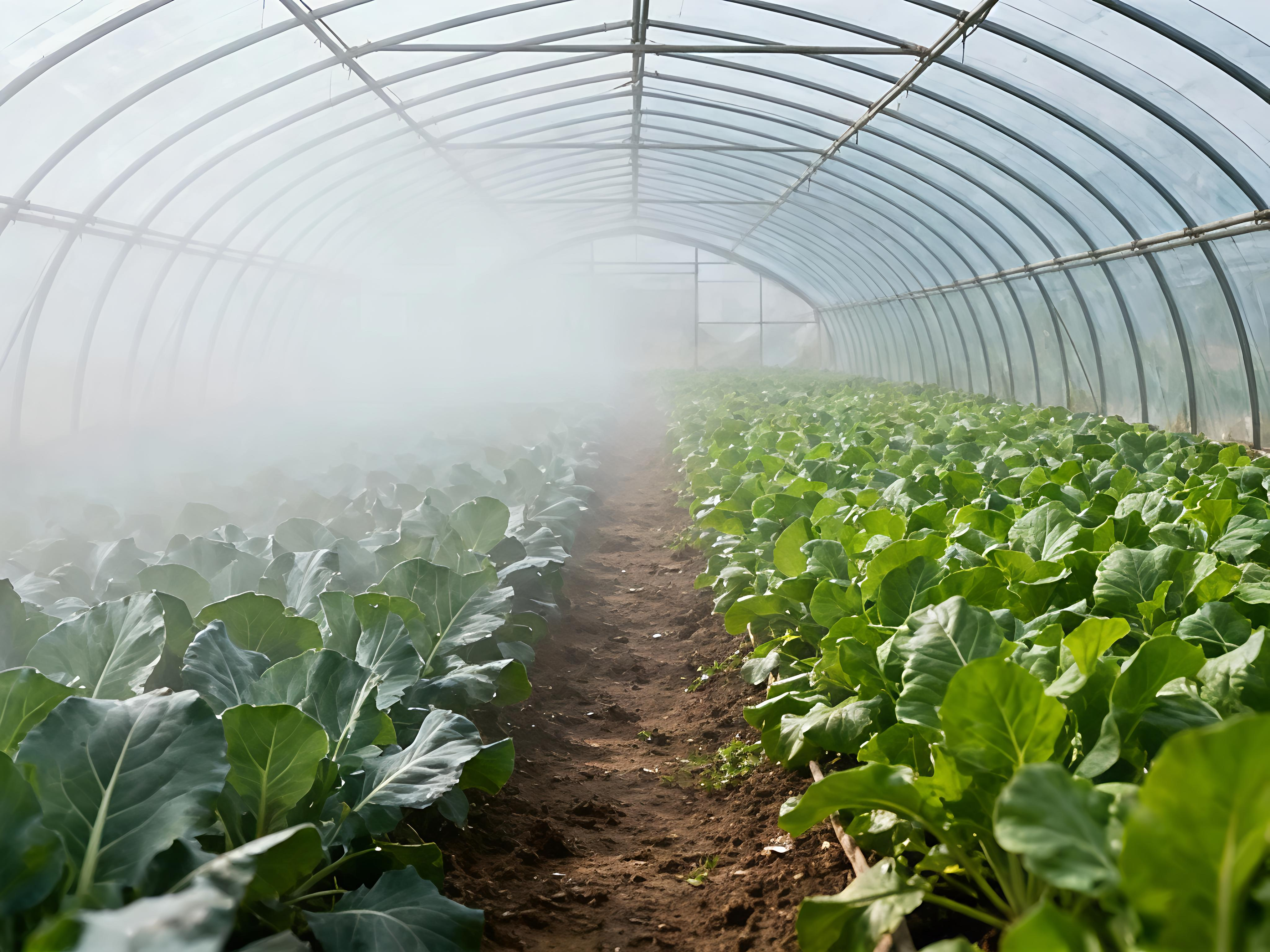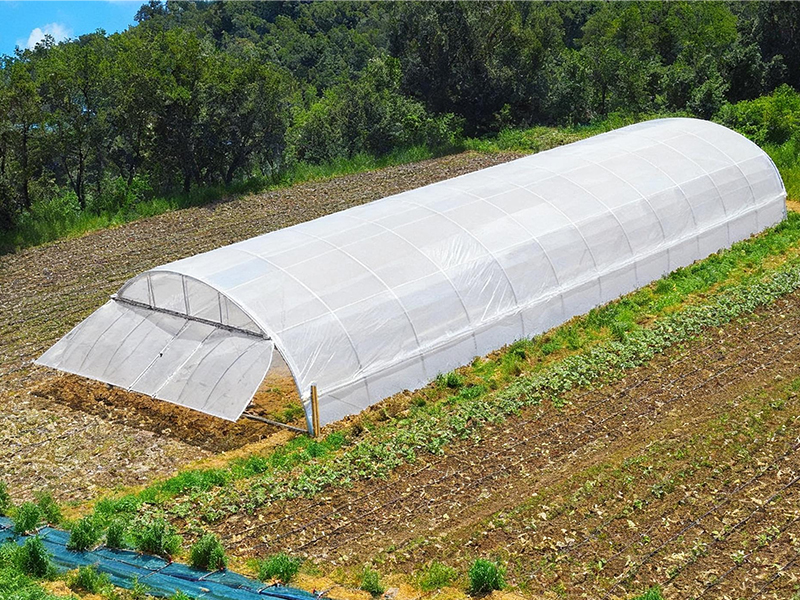
Using mulch film effectively can significantly influence crop performance, soil condition, and overall farm efficiency. As HGDN, we understand that choosing the right materials and applying them correctly are equally important. Whether working with an experienced plastic film manufacturer or comparing different mulch film manufacturers, the goal remains the same: maximizing the value of agricultural mulch film through proper selection and usage. By focusing on practical methods rather than assumptions, growers can achieve more consistent and reliable results.
Choosing the Right Mulch Film for Specific Crops
Selecting suitable agricultural mulch film starts with understanding crop needs and environmental conditions. Heat-sensitive crops such as lettuce or berries often require temperature control and balanced light exposure. In our experience at HGDN, a 40 Micron Black White Mulch Film offers a practical solution. The white top reflects over 90% of light, helping maintain cooler soil and supporting photosynthesis, while the black bottom blocks light completely to reduce weed growth and algae formation.
When working with a trusted plastic film manufacturer, material quality should not be overlooked. Films made from 100% virgin LDPE with UV stabilizers provide better durability and reduce risks like peeling or delamination. Many mulch film manufacturers offer various specifications, but selecting a film aligned with crop sensitivity and climate ensures more efficient use over time.
Installation and Field Application Techniques
Proper installation plays a key role in how well agricultural mulch film performs. Even high-quality products from a reliable plastic film manufacturer can underperform if applied incorrectly. We recommend ensuring tight soil contact during installation to prevent air pockets, which can affect temperature regulation and moisture retention.
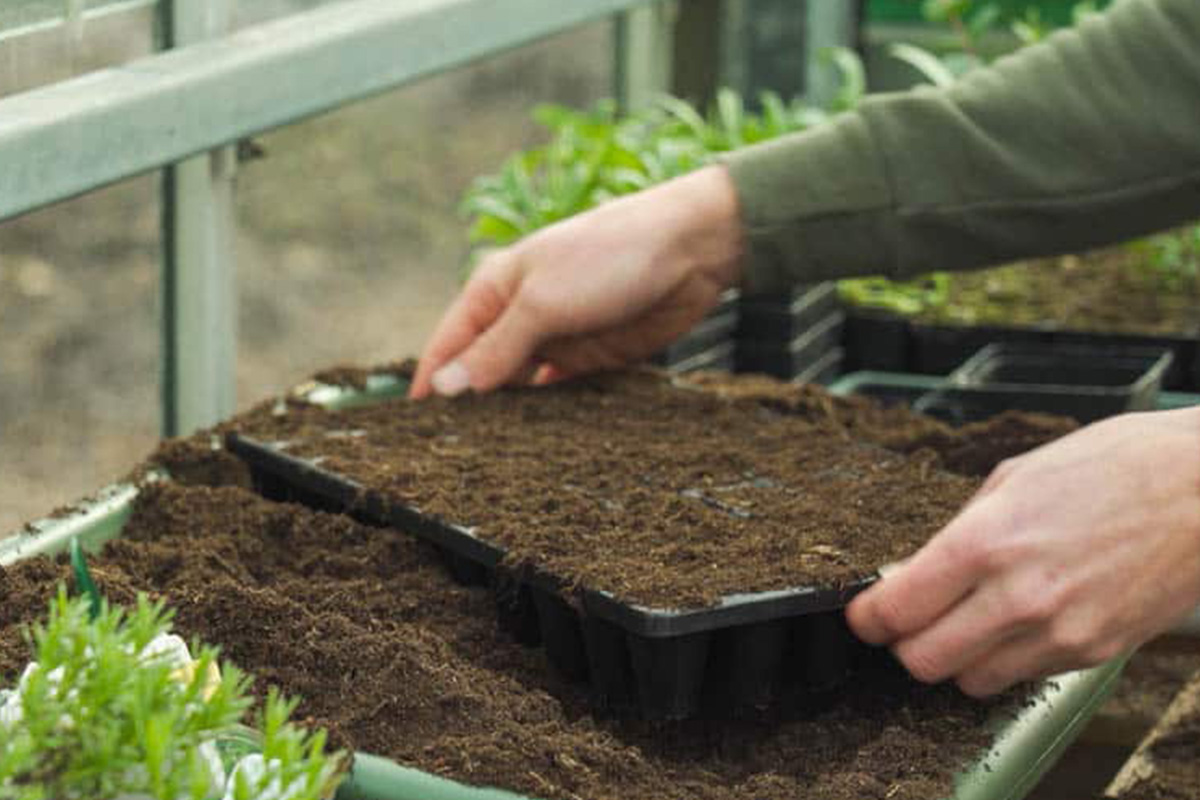
At HGDN, we also emphasize consistent spacing and secure edge covering to maintain film stability under wind or irrigation conditions. For indoor grow rooms, where environmental control is more precise, mulch film should be laid evenly to support uniform light reflection. Among different mulch film manufacturers, application guidance may vary, but careful installation always contributes to longer service life and better crop outcomes.
Maintenance and Long-Term Performance Optimization
Maintaining agricultural mulch film throughout the growing cycle helps extend its effectiveness. Regular field checks can identify early signs of wear, especially in areas exposed to higher stress. Working with a dependable plastic film manufacturer ensures the material has baseline durability, but field management remains essential.
Our team at HGDN advises monitoring irrigation practices to avoid excessive water accumulation beneath the film, which could impact soil conditions. Additionally, selecting films with UV stabilizers supports longer exposure under sunlight. While many mulch film manufacturers provide similar products, consistent maintenance practices are what ultimately help growers get the most value from each installation.
Conclusion
Getting the most out of agricultural mulch film requires a combination of proper selection, careful installation, and ongoing maintenance. By collaborating with an experienced plastic film manufacturer and understanding the strengths of different mulch film manufacturers, growers can make more informed decisions. At HGDN, we focus on providing practical solutions such as our black-and-white mulch film, along with flexible OEM sizing and factory-direct supply. Through balanced application and informed use, mulch film can support stable growing conditions and improve overall efficiency.