Modern agriculture is rapidly shifting toward precision irrigation systems that improve water efficiency and crop consistency. Among these systems, drip-tape irrigation has become a preferred solution for growers who aim to reduce waste and maximize yield. At HGDN, we focus on supporting this transition by providing reliable agricultural materials that work seamlessly in real farming environments. In many controlled cultivation setups, tools such as agriculture plastic film play a supporting role in maintaining soil conditions and improving irrigation efficiency. For new growers, understanding how to properly set up a drip-tape system is essential for achieving stable production results, especially when combined with proper soil covering and nursery preparation methods.
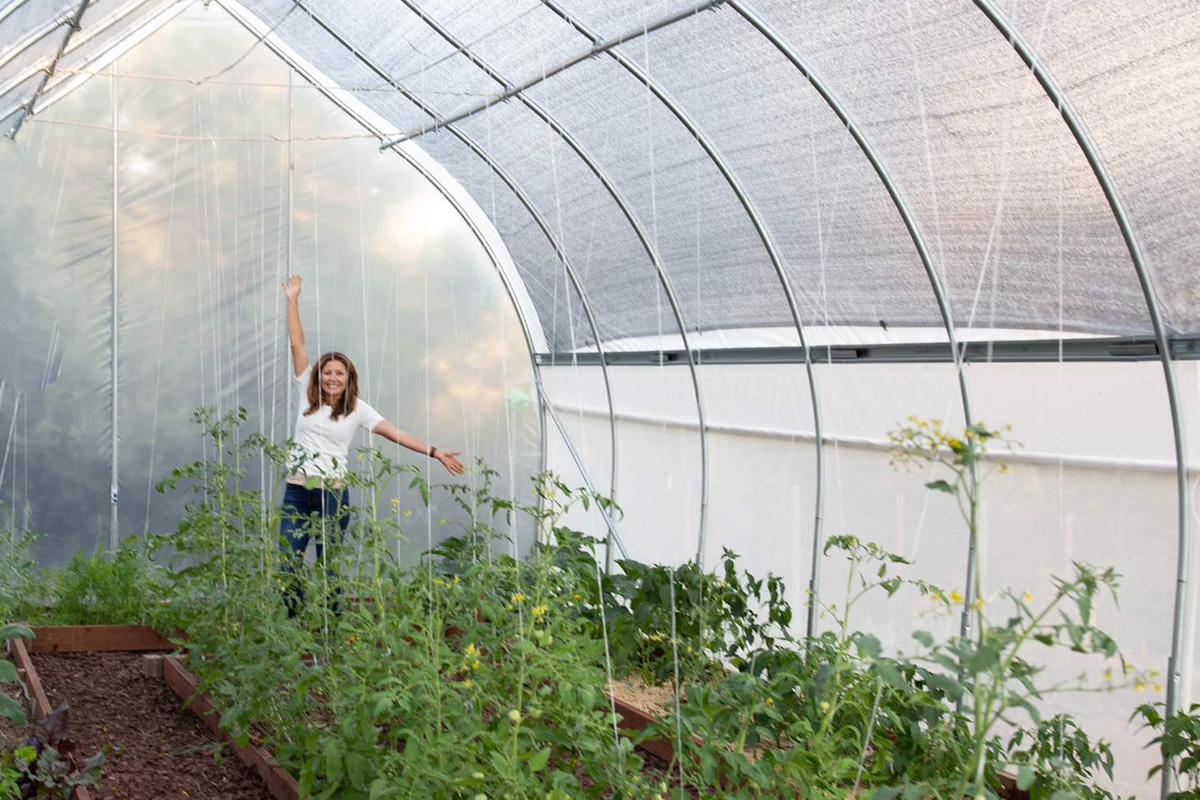
Role of Agriculture Plastic Film in Modern Irrigation Systems
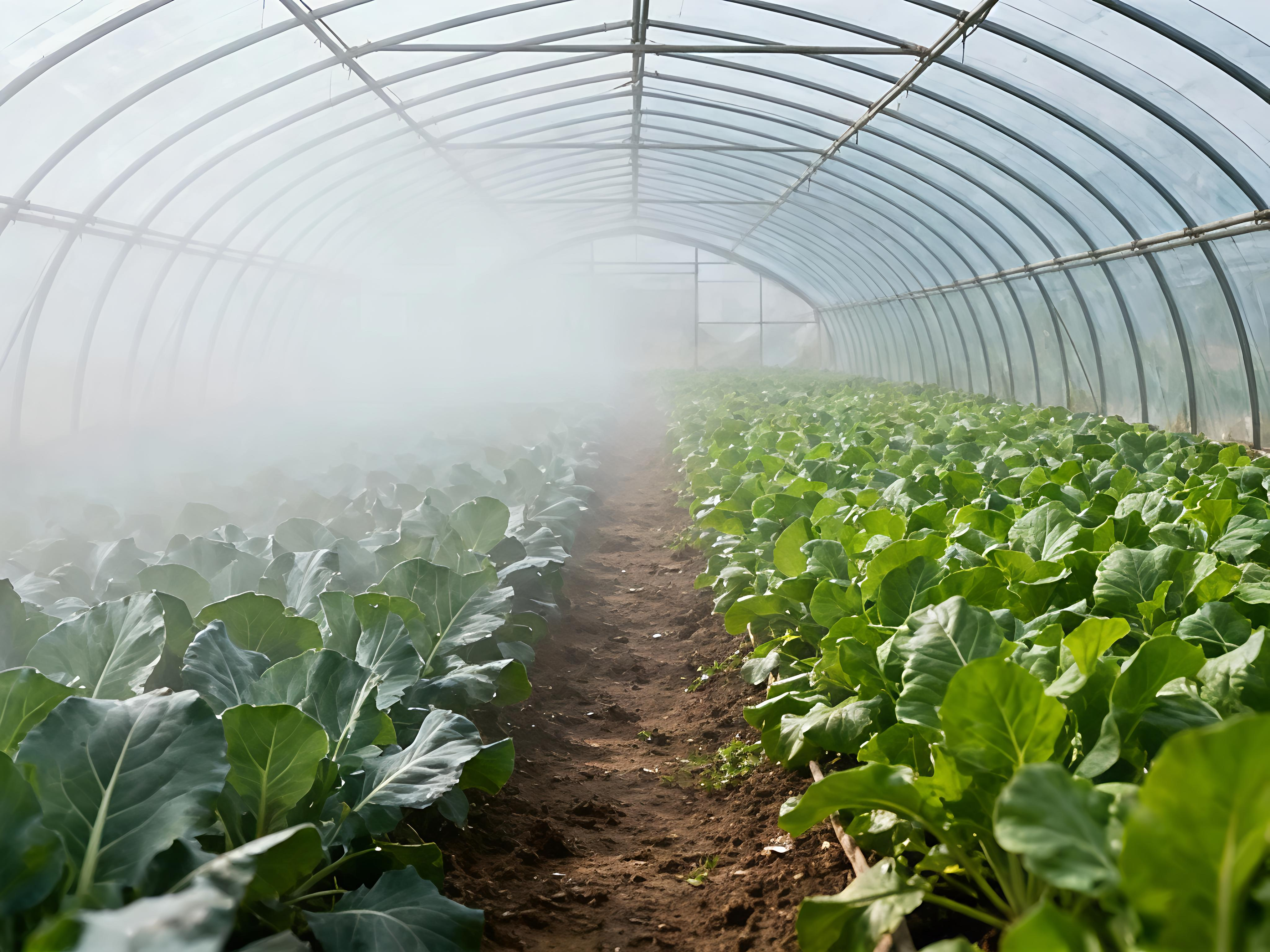
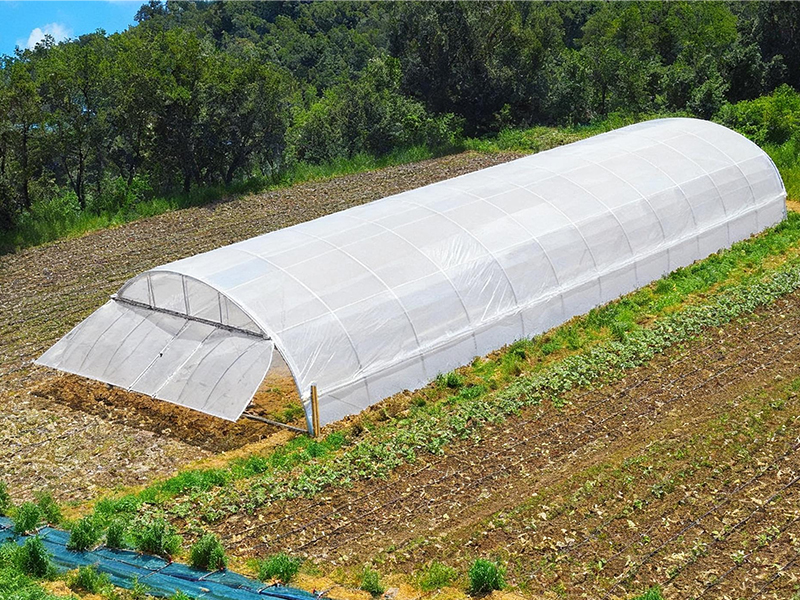
In greenhouse and open-field farming, irrigation efficiency is closely linked to soil environment management. agriculture plastic film helps regulate soil temperature, reduce moisture evaporation, and stabilize the root zone, creating ideal conditions for drip-tape systems to function effectively. At HGDN, we observe that growers who integrate surface protection materials with drip irrigation consistently achieve more uniform water distribution and healthier crop growth.
A well-prepared field begins with soil leveling, followed by laying agriculture plastic film to reduce weed competition and maintain consistent moisture levels. This step is especially important for new growers because uneven soil conditions can lead to inconsistent water delivery even in well-designed drip systems. By creating a stable base environment, irrigation efficiency is significantly improved.
Step-by-step Drip-Tape System Setup for Beginners
Setting up a drip-tape irrigation system requires careful planning and correct installation procedures. First, the water source must be filtered to prevent clogging in the drip lines. Clean water flow is essential for long-term system stability. Next, the main water line is connected to the drip-tape layout according to crop spacing requirements.
After positioning the irrigation layout, growers should ensure that the drip-tape is securely fixed along planting rows. Pressure regulation is also critical, as excessive pressure may damage the tape while insufficient pressure can result in uneven watering. At this stage, HGDN recommends testing the system before full-scale operation to ensure consistent water output across all lines.
Soil preparation is equally important. Many growers use black and white mulching sheet to improve surface conditions before activating irrigation. The black side helps suppress weed growth, while the white side reflects sunlight, reducing soil temperature and preventing overheating. This combination supports more stable moisture retention when the drip-tape system is in operation.
Using Black and White Mulching Sheet to Enhance Irrigation Efficiency
One of the most effective ways to improve drip irrigation performance is by integrating black and white mulching sheet into the cultivation system. At HGDN, we see this material widely used in both greenhouse and open-field production because it provides multiple functional benefits. The reflective surface helps regulate temperature, which is especially important in warm climates where excessive heat can increase evaporation rates. By reducing water loss, the drip-tape system can operate more efficiently, delivering moisture directly to the plant root zone. Additionally, the weed suppression effect minimizes competition for nutrients, allowing crops to fully utilize the irrigated water supply. When installed correctly, black and white mulching sheet also helps maintain cleaner field conditions, preventing soil splash and reducing disease risks. This makes the overall irrigation system more stable and easier to manage for new growers.
Nursery Preparation With Multi Cell Seed Tray for Better Transplant Success
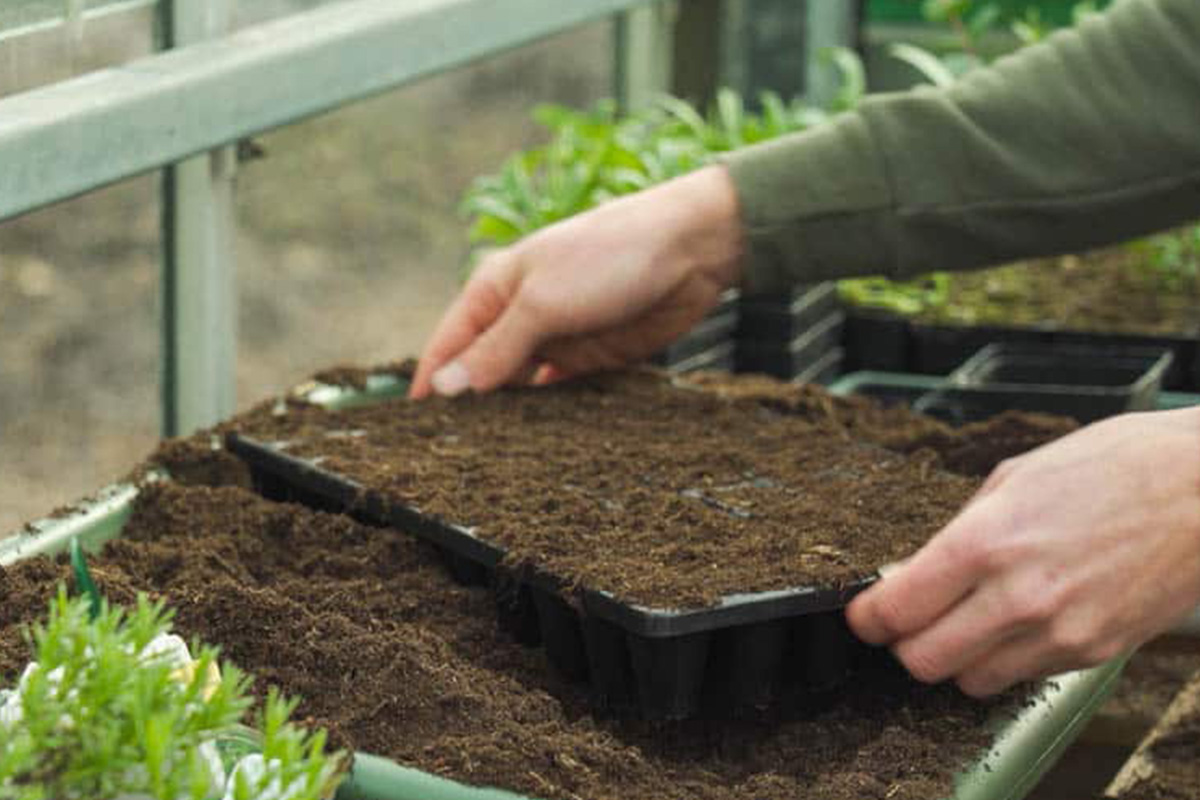
Before transplanting crops into a drip-irrigated field, proper seedling preparation is essential. Many professional growers rely on multi cell seed tray systems to ensure uniform germination and strong root development. These trays allow seeds to grow in controlled environments, making it easier to manage water, nutrients, and temperature at early stages.
Using a multi cell seed tray, growers can achieve higher survival rates during transplantation because each seedling develops a compact and stable root structure. At HGDN, we emphasize that strong nursery management directly improves the performance of later irrigation systems. When seedlings are healthy and uniform, drip-tape irrigation becomes more efficient because water demand is more predictable across the entire field. This integration between nursery preparation and irrigation setup is a key step for beginners aiming to achieve consistent agricultural output.
System Optimization and Long-Term Management
Once the drip-tape system is installed and operational, ongoing management becomes essential. Regular inspection of water flow, cleaning of filters, and monitoring of soil moisture levels help maintain system performance. In addition, combining irrigation with surface protection materials ensures long-term stability of the growing environment. At HGDN, we support growers with professional guidance and reliable agricultural materials designed for practical field conditions. Our experience in the industry allows us to help new growers avoid common installation mistakes and improve overall farming efficiency.
Conclusion
Setting up a drip-tape irrigation system is not only about installing equipment but also about building a complete cultivation environment. From soil preparation to nursery management, every step influences final crop performance. By integrating tools such as agriculture plastic film, growers can significantly improve irrigation efficiency and soil moisture stability, leading to healthier and more uniform crop growth.
At HGDN, we remain committed to supporting modern agriculture with durable materials, technical expertise, and responsive service. Whether you are a beginner or scaling up production, a properly designed drip irrigation system can become the foundation of long-term agricultural success.