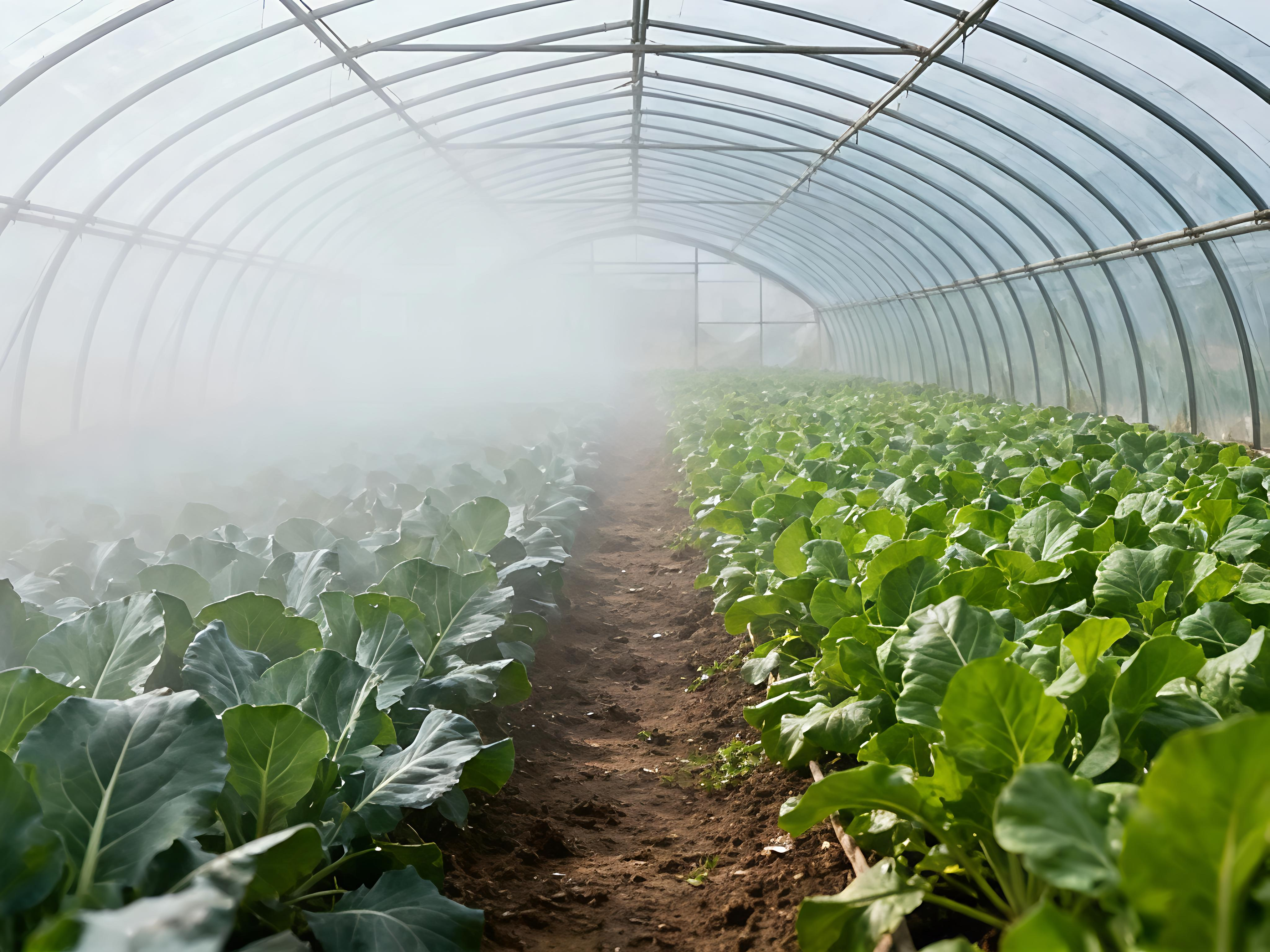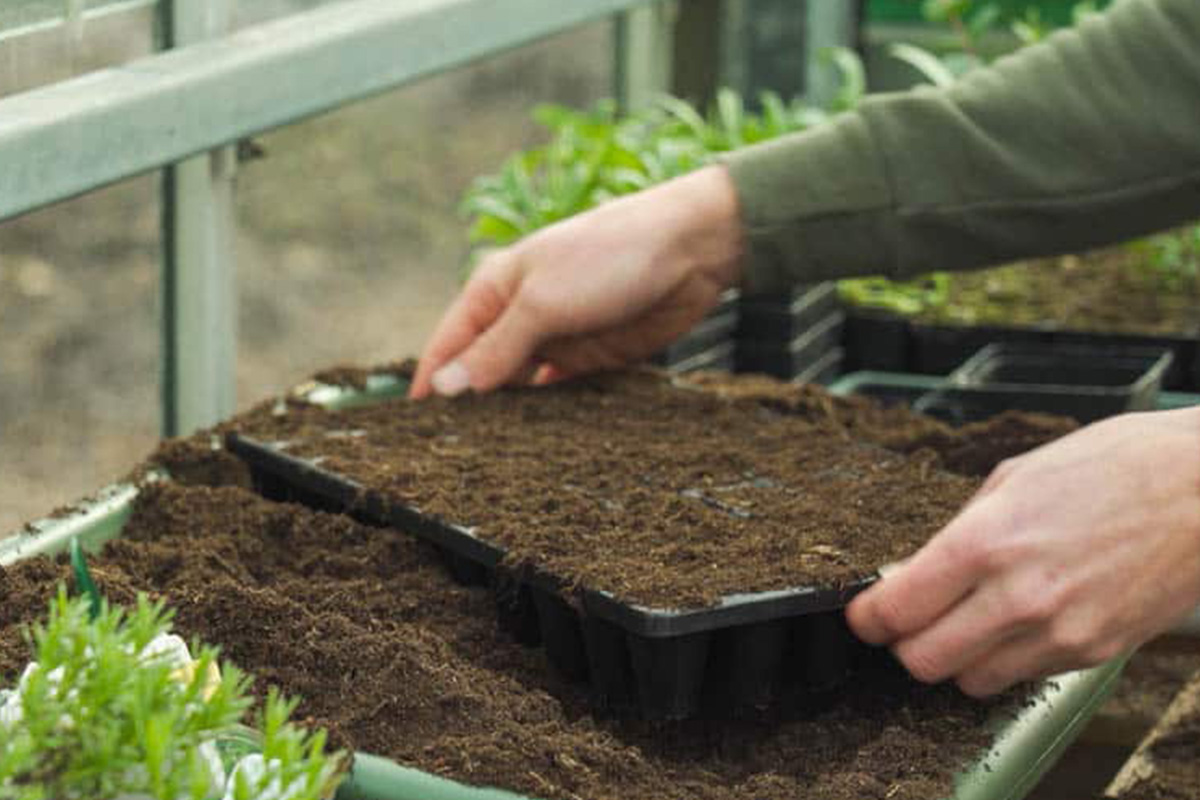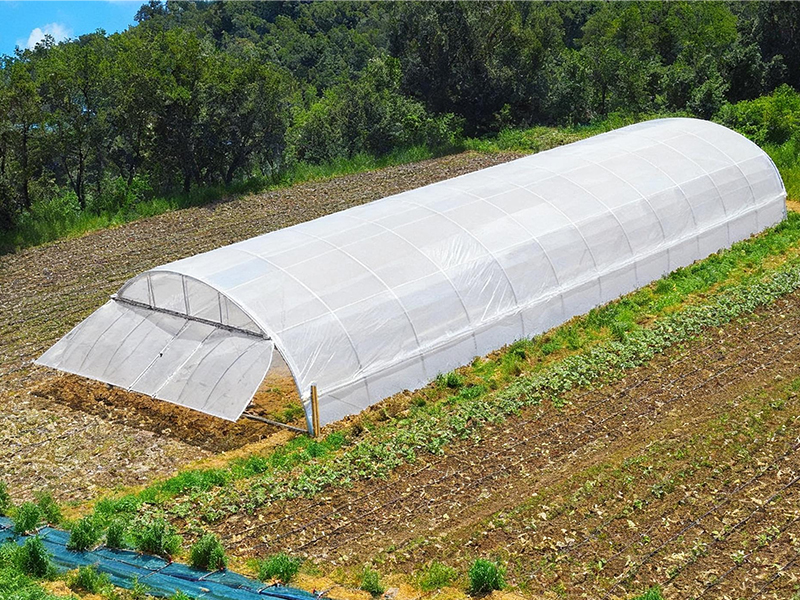
In modern agriculture, combining drip irrigation with agricultural film is a widely adopted practice to improve water efficiency and soil conditions. However, we have observed that improper use of mulch film can reduce system effectiveness rather than enhance it. As HGDN, we focus on understanding these practical challenges from real application scenarios, helping growers avoid common mistakes while working with a reliable plastic film manufacturer and experienced mulch film manufacturers.
Improper Film Selection and Material Misuse
One of the most frequent issues we encounter is the incorrect selection of mulch film materials. Not all agricultural environments require the same thickness, transparency, or durability. When growers use films that are either too thin or not UV-stabilized, degradation occurs faster, which disrupts irrigation consistency. As a plastic film manufacturer, we have seen that using unsuitable materials often leads to clogging or uneven water distribution under the film. This is why our UV-Resistant Greenhouse Film Roll is designed with 100% virgin PE/PO and UV stabilizers, ensuring stable performance across varying climates. Working with experienced mulch film manufacturers helps ensure that the film matches the irrigation system rather than conflicting with it.
Incorrect Installation in Drip Irrigation Layouts
Another common misapplication lies in how mulch film is installed relative to drip lines. If the film is not properly aligned with emitters, water flow may be restricted or misdirected. We often see cases where the drip tape is either too shallow or too deep beneath the film, affecting moisture distribution. As HGDN, we recommend careful alignment during installation, especially when using wide-format agricultural film that spans large planting areas. Our film options, with widths ranging from 1m to 16m and customizable thickness between 80–200 microns, are developed to accommodate different irrigation layouts. This compatibility is essential when working with a trusted plastic film manufacturer.
Overlooking Environmental and Lifespan Factors
Environmental conditions also play a key role in mulch film performance. Some users underestimate the impact of sunlight, temperature variation, and soil conditions. Without proper UV resistance, films may crack or lose flexibility, leading to system inefficiencies. As experienced mulch film manufacturers, we design products using 5-layer co-extrusion technology to improve durability and maintain structure over time. Our agricultural film solutions are engineered for a lifespan of 3–5 years, helping reduce replacement frequency. At HGDN, we also provide guidance on selecting the right film based on regional climate and irrigation needs, ensuring long-term system stability.
Conclusion: Improving Efficiency Through Correct Application
Understanding the correct use of mulch film in drip irrigation systems is essential for achieving consistent results. Misapplications such as poor material selection, improper installation, and ignoring environmental factors can limit performance. As HGDN, we aim to support growers with practical insights and reliable solutions from a professional plastic film manufacturer perspective. By working closely with knowledgeable mulch film manufacturers and selecting appropriate agricultural film, users can improve irrigation efficiency and maintain stable growing conditions over time.