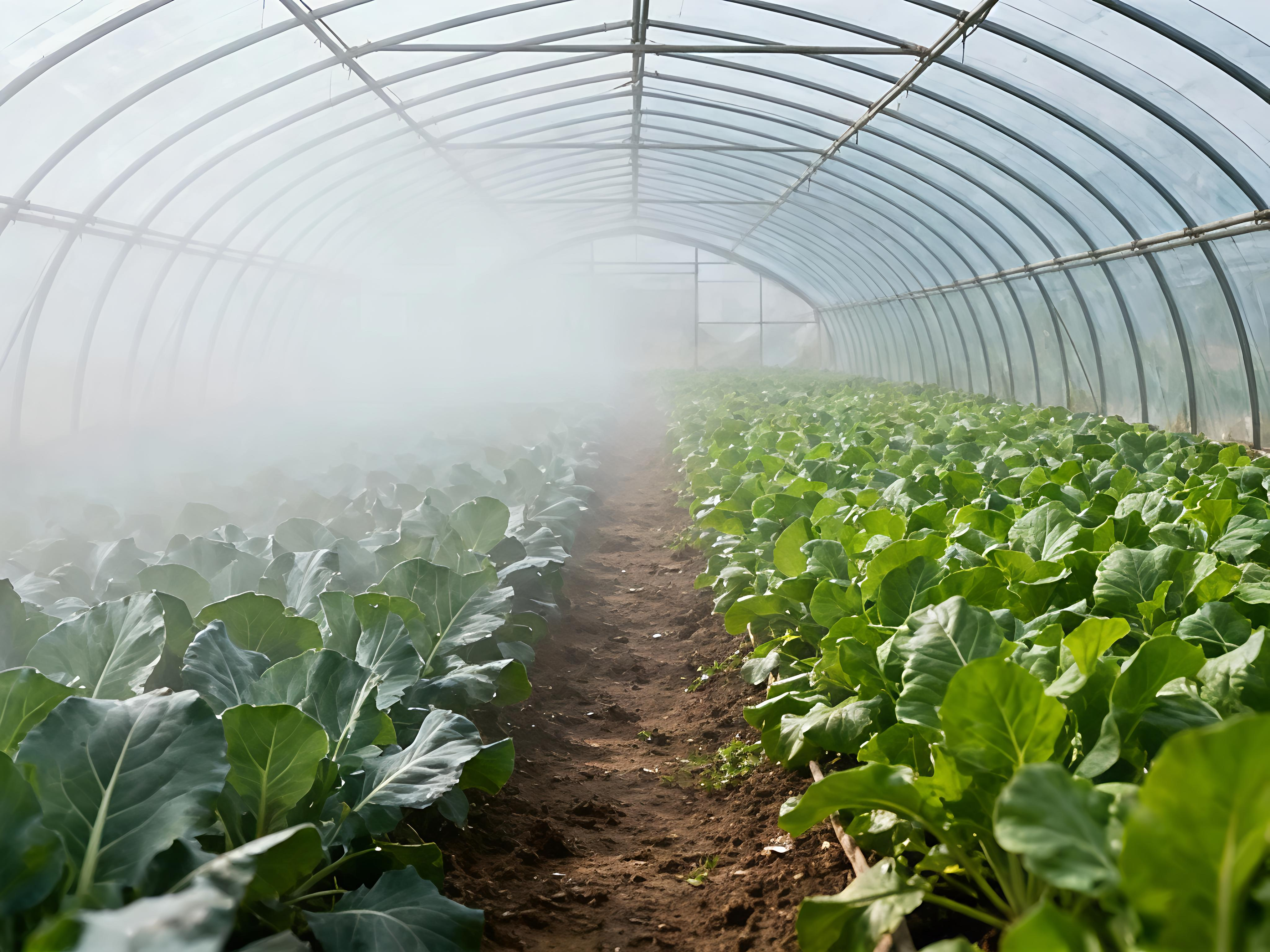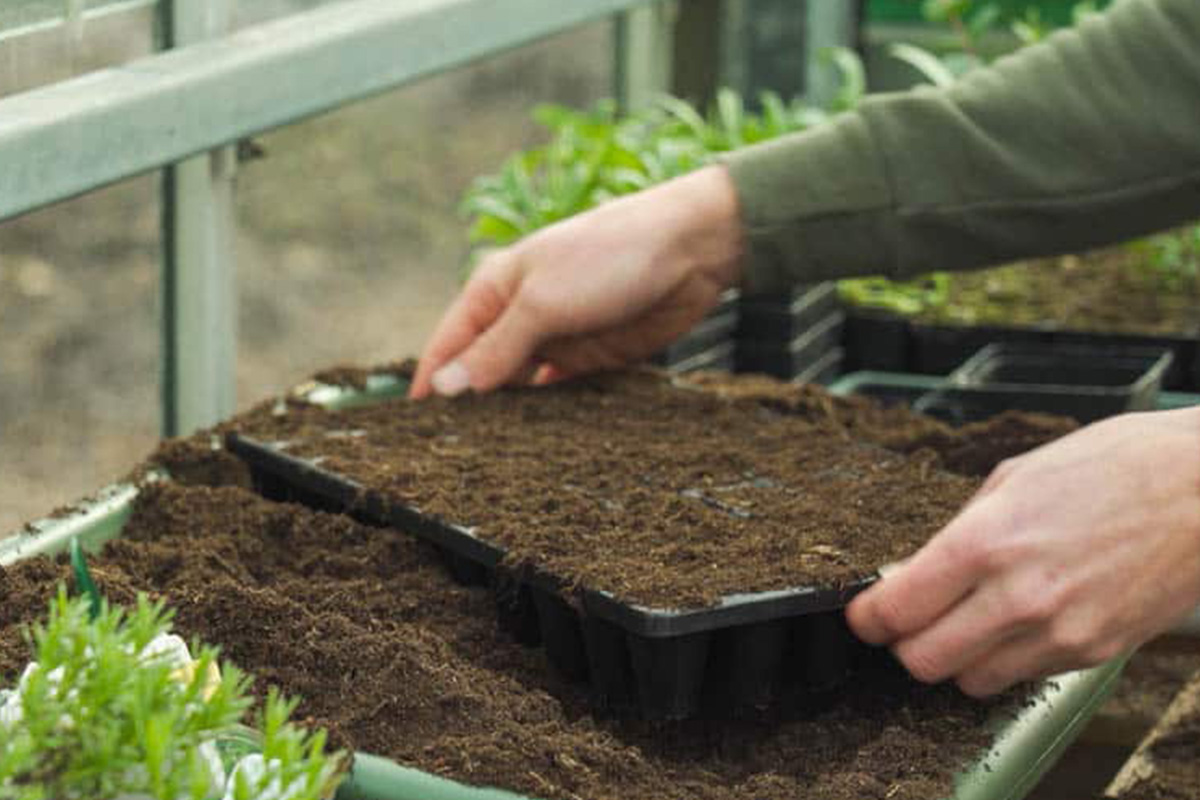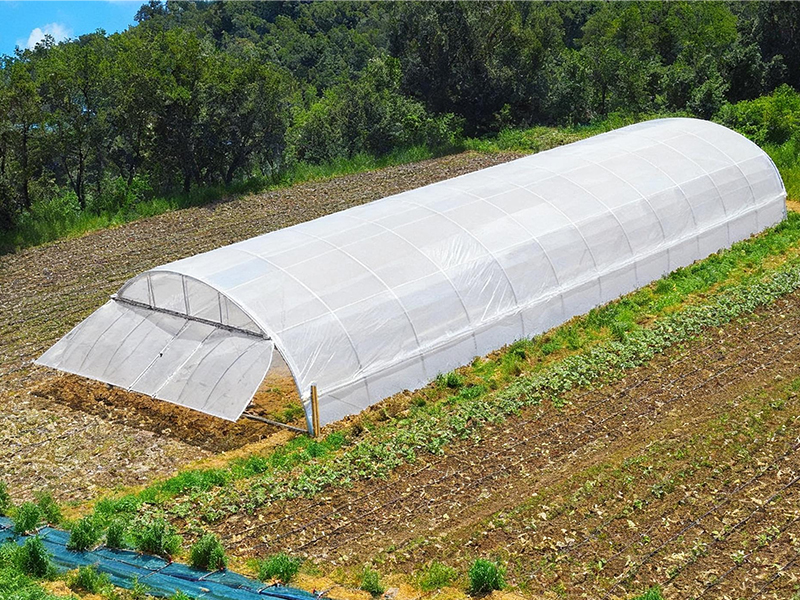
Plastic waste management has become an important topic in modern agriculture as growers seek materials that support crop production while creating less environmental impact. In many planting regions, traditional film disposal can increase labor pressure after harvest, especially in large-scale farming operations. For this reason, biodegradable solutions are receiving more attention across greenhouse cultivation and open-field agriculture. At HGDN, we continue developing agricultural plastic sheeting products that align with practical farming requirements while helping customers explore more sustainable planting methods. By combining material durability with environmentally conscious design, we aim to support farms that are gradually reducing long-term plastic residue in the soil.
Supporting Sustainable Farming with Biodegradable Film
Biodegradable mulch solutions are becoming more common in vegetable cultivation because they can help reduce leftover plastic residue in the soil after harvest. In one of our recent overseas projects, we worked with a Chilean agricultural client that aimed to improve field sustainability while maintaining crop protection efficiency. Through this cooperation, we supplied eco-friendly mulch film products designed for gradual degradation under suitable farming conditions. The customer used the material in commercial planting applications where soil coverage and moisture retention remained important. As one of the experienced mulching sheet manufacturers, we also discussed installation methods, storage conditions, and seasonal usage recommendations to help the client adapt the film to local farming practices. This project reflected how biodegradable materials can support practical agricultural operations without creating unnecessary disposal pressure after the growing season.
Material Performance in Greenhouse and Open-Field Applications
In many farming environments, growers combine mulch systems with greenhouse protection to improve temperature stability and reduce water evaporation. For this reason, products such as clear greenhouse film continue to play an important role in modern cultivation. We manufacture agricultural films using production equipment including circular looms, warp knitting machines, Swiss shuttle weaving equipment, water-jet systems, and extrusion lines to support stable material processing. Our company also focuses on maintaining reasonable delivery schedules of around 15–20 days for standard production arrangements. In addition, our manufacturing processes are developed with reference to CE, REACH, and BSCI standards commonly required in European and North American markets. By combining biodegradable field coverage materials with greenhouse protection systems, farmers can build more organized growing environments while reducing unnecessary material waste over time.
Conclusion: Practical Steps Toward Reducing Farm Plastic Waste
Reducing agricultural plastic waste requires realistic solutions that match everyday farming needs. At HGDN, we continue exploring how biodegradable materials, greenhouse protection products, and responsible manufacturing practices can work together in commercial agriculture. The use of agricultural plastic sheeting in sustainable farming is no longer limited to crop protection alone; it is also connected to waste management, soil care, and long-term operational efficiency. Meanwhile, demand for clear greenhouse film and environmentally conscious mulch materials continues growing as farms look for balanced approaches to production and sustainability. As agricultural markets evolve, reliable cooperation between growers and mulching sheet manufacturers will remain important for supporting more practical and environmentally aware farming systems.