Managing a commercial farm requires careful decision-making, and selecting the right cover for your structures is one of the most critical steps. With so many options available in the agricultural market today, it is incredibly easy for growers to feel overwhelmed by the sheer volume of technical specifications. Different materials alter how light enters a structure, how heat is retained during freezing nights, and how long the structure remains durable against harsh weather. To make an informed decision without getting confused, you must focus on your local climate, your specific crop requirements, and the fundamental properties of the material you choose, ensuring your investment supports long-term cultivation success.
Understanding the Role of Light Transmission in Plant Growth
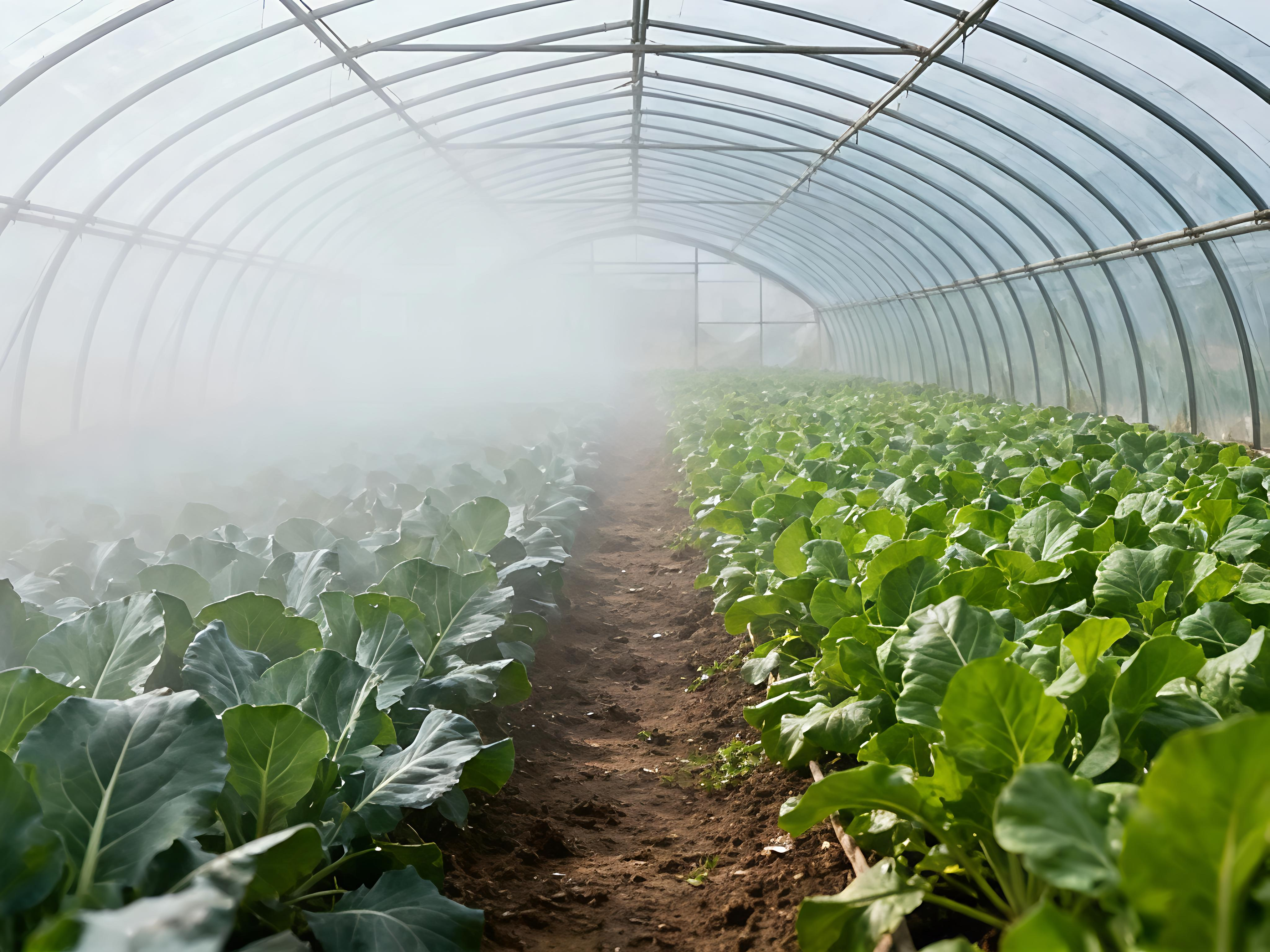
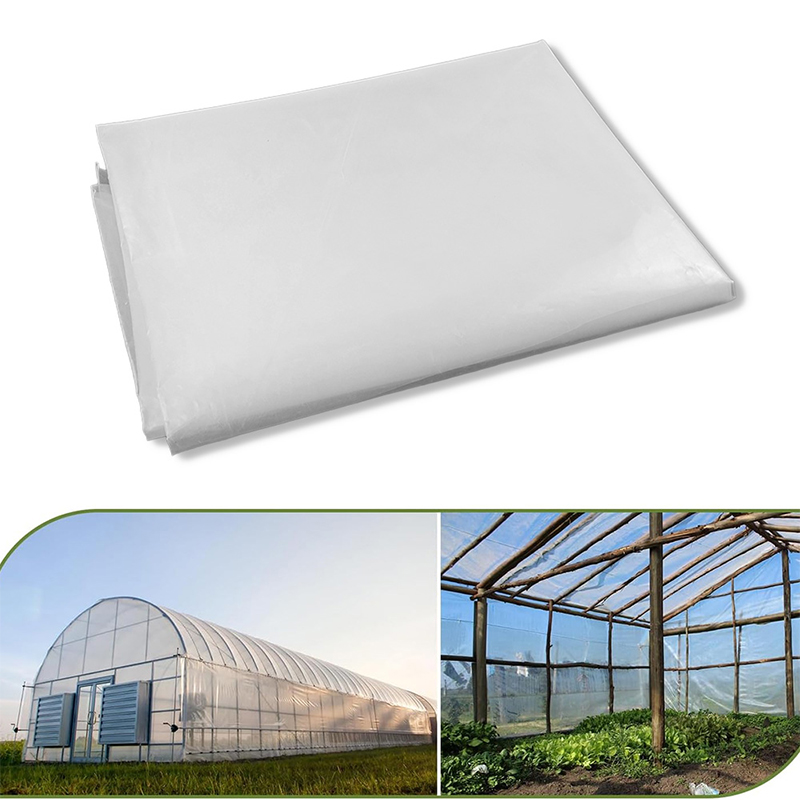
As a dedicated manufacturer, we understand that light is the primary driver of photosynthesis, making optical clarity a vital factor to examine when evaluating your options. Selecting a high-quality greenhouse clear film allows maximum sunlight to reach your plants, which is particularly beneficial for heat-loving vegetables and flowers that require intense, direct light. However, clarity must be balanced with durability. Over time, ultraviolet radiation from the sun can degrade standard plastics, causing them to become brittle or yellow if they lack proper stabilization. Our products are engineered with tailored chemical stabilizers to withstand this environmental stress, ensuring that the light-transmitting properties remain consistent over multiple seasons, thereby protecting both your plants and your initial financial investment.
Balancing Structural Strength with Long-Term Longevity
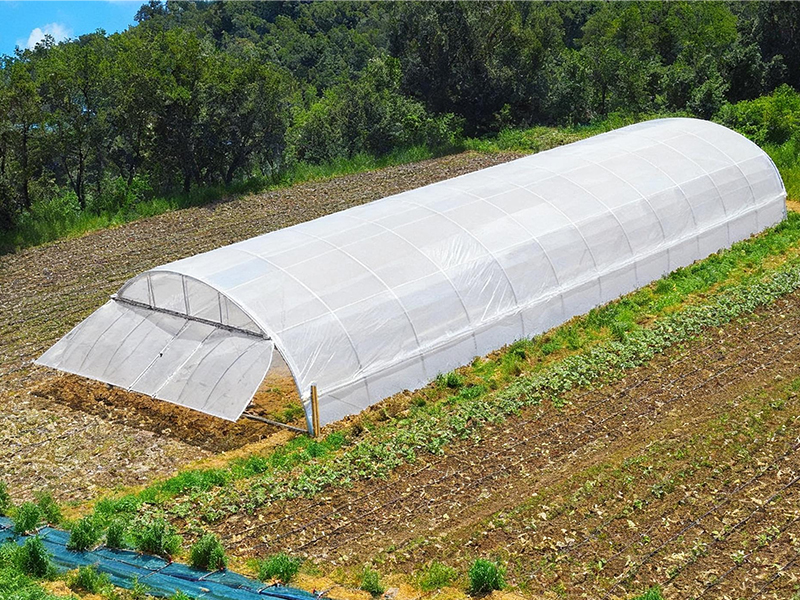
For regions prone to intense winds, heavy snow loads, or frequent hailstorms, simple clarity is rarely enough to protect a commercial harvest. In these challenging environments, upgrading to a reinforced greenhouse film provides the necessary internal strength to prevent catastrophic structural tears. This specialized material features an embedded scrim or grid pattern that physically stops punctures from spreading across the entire surface. To produce these sophisticated materials, our factory utilizes advanced manufacturing equipment, including circular weaving machines, warp knitting machines, Swiss-imported Sulzer looms, water-jet looms, and precise extrusion machinery. This heavy industrial setup allows us to deliver reliable orders within a stable timeline of 15 to 20 days, giving global distributors a reliable supply chain.
Selecting Specialized Coverings for Open Fields and Large Scale Farming
When managing expansive outdoor fields or traditional multi-span structures, the overall scope of protection shifts toward broader environmental control. Utilizing a specialized agricultural film helps commercial growers regulate soil temperature, conserve moisture, and significantly reduce weed pressure when applied correctly. At HGDN, we focus on manufacturing solutions that align with rigorous international benchmarks, ensuring our materials meet strict European and North American CE, REACH, and BSCI certification standards. To ensure our partners operate with complete peace of mind, we provide 24-hour online customer support alongside comprehensive after-sales warranties ranging from 3 to 10 years depending on the specific material specification.
Conclusion: Making Your Final Decision with Confidence
Comparing protection options does not have to be a confusing process when you systematically evaluate light transmission, physical reinforcement, and manufacturing certifications. By identifying whether your crops need the high transparency of a clear covering or the heavy-duty ripstop capabilities of a woven grid, you can select a material that perfectly matches your regional climate. At HGDN, our team remains committed to delivering verified quality and long-term durability for commercial operations worldwide.