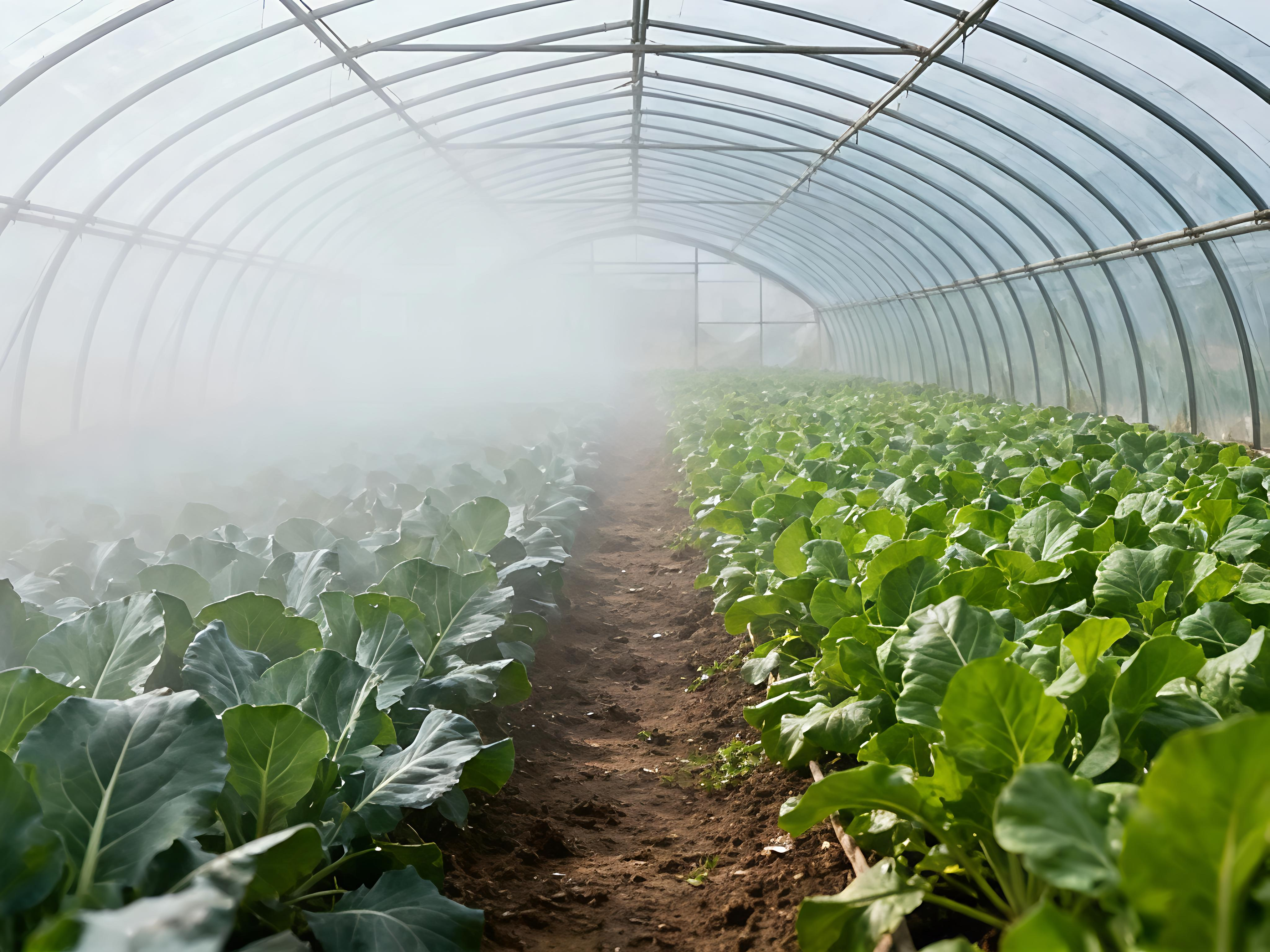
Managing moisture remains a critical challenge for growers operating high-density cultivation facilities. When humidity levels rise inside a controlled environment, water vapor naturally condenses on cooler surfaces, particularly the overhead covering material. Traditional covers often allow this moisture to form heavy droplets that fall directly onto crops, leading to light disruption, increased disease susceptibility, and potential physical damage to delicate leaves. To address this widespread issue, modern agricultural plastic film engineering has advanced significantly, offering specialized surfaces designed to alter droplet physics. At HGDN, we focus on providing specialized solutions that manage these microclimatic shifts, ensuring crops remain protected throughout their entire growth cycle.
Understanding the Mechanics of Anti-Drip Technology
The operational principle behind anti-drip films relies on modifying the surface tension of the material. Instead of allowing water droplets to bead up and fall, specialized additives embedded within the agricultural plastic film cause the moisture to spread into a thin, continuous layer of water. This thin sheet of liquid then flows safely down the sides of the structure into designated drainage channels rather than dripping onto the vegetation below. This mechanism is particularly beneficial for large-scale greenhouse farming operations, where massive canopy areas release immense moisture through transpiration daily. By ensuring a steady layer instead of scattering droplets, light transmission improves by up to fifteen percent, allowing crops to utilize natural sunlight more efficiently while reducing the humidity spikes that favor standard fungal pathogens.
Integrating Modern Solutions for Sustainable Yields
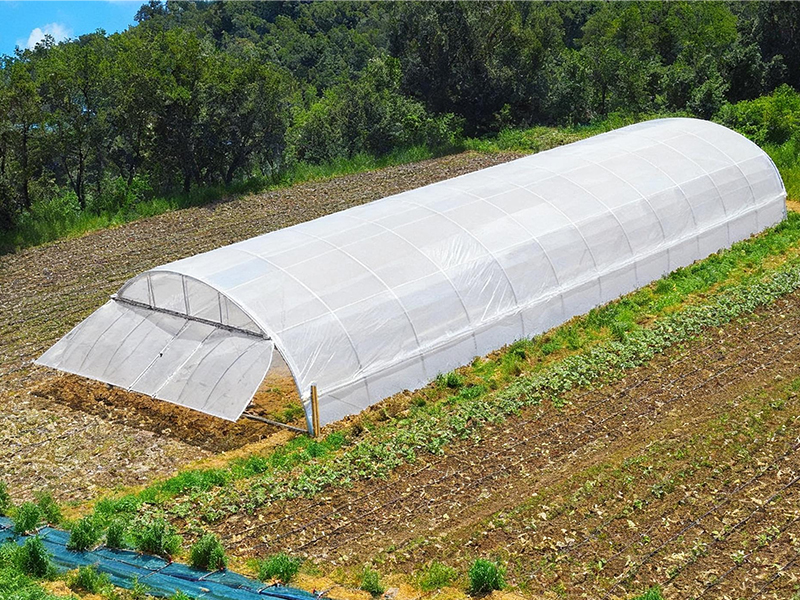
Optimizing a cultivation facility involves balancing durable structural sheets with efficient soil protection methods. While specialized overhead covers maintain clear light pathways and control condensation, managing ground-level moisture and weeds requires a complementary approach. Utilizing a biodegradable agricultural mulch film alongside advanced overhead coverings creates a comprehensive environment where soil temperature and ambient humidity work in harmony. Our advanced manufacturing equipment, which includes precise extrusion machinery and advanced weaving systems imported from Switzerland, allows us to produce high-performance materials that meet rigorous international certification standards, including CE, REACH, and BSCI benchmarks. Large scale greenhouse farming facilities depend on this consistency to secure reliable yields, optimize resource allocation, and minimize seasonal replacement overhead across vast acreages.
Conclusion: Why Anti-Drip Films Are Vital for Growth
Implementing anti-drip technology is an essential strategy for modern growers seeking to stabilize their microclimate and protect their investments. By transforming destructive water droplets into a manageable, flowing sheet of moisture, these advanced materials directly improve light quality, reduce crop diseases, and foster a far more predictable cultivation environment. When combined with ground solutions like biodegradable agricultural mulch film, the overall efficiency of the facility increases remarkably. We at HGDN remain dedicated to supporting agricultural enterprises globally with robust, certified materials, twenty-four-hour online technical support, and comprehensive warranties spanning three to ten years. Investing in reliable protective covers ensures that your cultivation setup remains resilient, efficient, and highly productive for seasons to come.