Effective vegetable production relies on precise environmental control, and the ground covering you choose plays a central role in managing root zone conditions. Different films create specific microclimates, influencing temperature, moisture, and weed pressure. At HGDN, we examine material properties to match film function with crop-specific outcomes, moving beyond generic solutions to targeted agronomic tools. This overview presents functional categories of agricultural mulch film to consider for your operation.
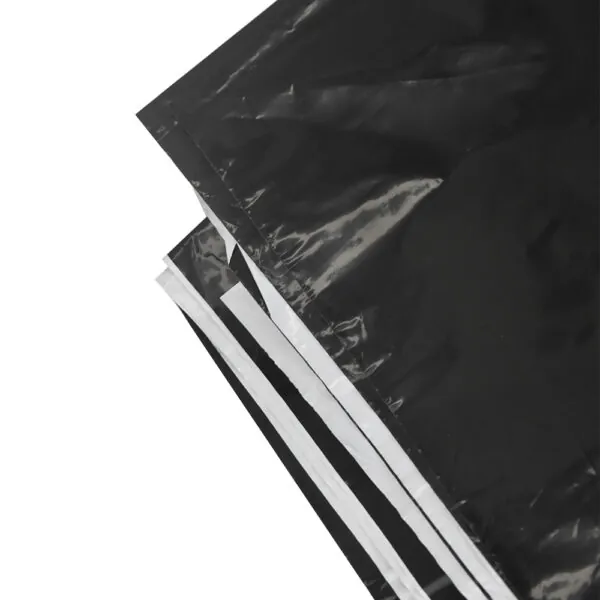
Standard Polyethylene Films: Black and Clear
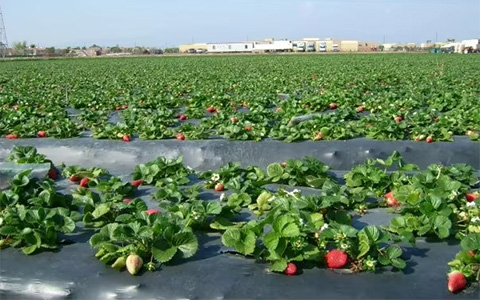
Two primary options form the basis of most vegetable film programs. Black polyethylene mulch is widely utilized for its robust weed suppression capabilities; by blocking photosynthetically active radiation, it prevents weed germination and growth beneath the film. This makes it a consistent choice for many fruiting and leafy crops. Conversely, clear polyethylene mulch permits solar radiation to pass through, which warms the soil more effectively in early spring. However, it requires an integrated weed management strategy, as it allows light to reach the soil surface. Selecting between these depends on whether soil heating or weed control is the higher priority for your specific crop and planting timeline.
Degradable and Specialized Film Solutions
For operations seeking to eliminate retrieval and disposal labor, degradable films offer a distinct approach. Photodegradable films are designed to break down after a calculated period of solar exposure. Biodegradable films, often made from polymer blends, are intended to decompose through microbial activity in the soil. A fifth option involves wavelength-selective or reflective films. These specialized products can alter the light spectrum reflected onto plant canopies, influencing growth habits and pest behavior. When we at HGDN evaluate plastic greenhouse film for overhead use, similar principles of light manipulation and longevity inform our view of these advanced mulch materials.
Matching Film Function to Vegetable Systems
The practical value of any film is realized in its application to particular cropping systems. For heat-loving crops like tomatoes, peppers, and melons, black or wavelength-selective films that optimize root zone temperature are often indicated. For crops where soil-borne pathogens are a concern, certain film colors and properties can reduce insect vector attraction. In high-value organic production, biodegradable films align with system protocols while providing the benefits of moisture retention and soil temperature moderation. The durability required from greenhouse sheeting overhead is different from the seasonal performance needed at ground level, but both decisions require the same careful analysis of crop objectives and film characteristics.
Choosing a mulch film is an investment in season-long crop performance. The options—from standard black and clear polyethylene to degradable and spectrally-active films—each present a set of agronomic advantages. A methodical assessment of your primary goals for weed control, soil warming, labor input, and crop physiology will direct you to the most suitable agricultural mulch film. At HGDN, we provide the technical support to make this selection, ensuring the plastic greenhouse film and ground cover solutions you implement are aligned with your production targets for vegetable quality and yield.