Managing the internal climate of a growing structure involves addressing two persistent challenges: inconsistent temperatures and excess condensation. At HGDN, we engineer our films to provide direct solutions to these issues. Specialized polymers are formulated not just to cover a space, but to actively create a more stable and productive aerial environment for crops. This article examines the functional science behind how modern films mitigate these specific problems.
The Role of UV Resistance in Environmental Stability
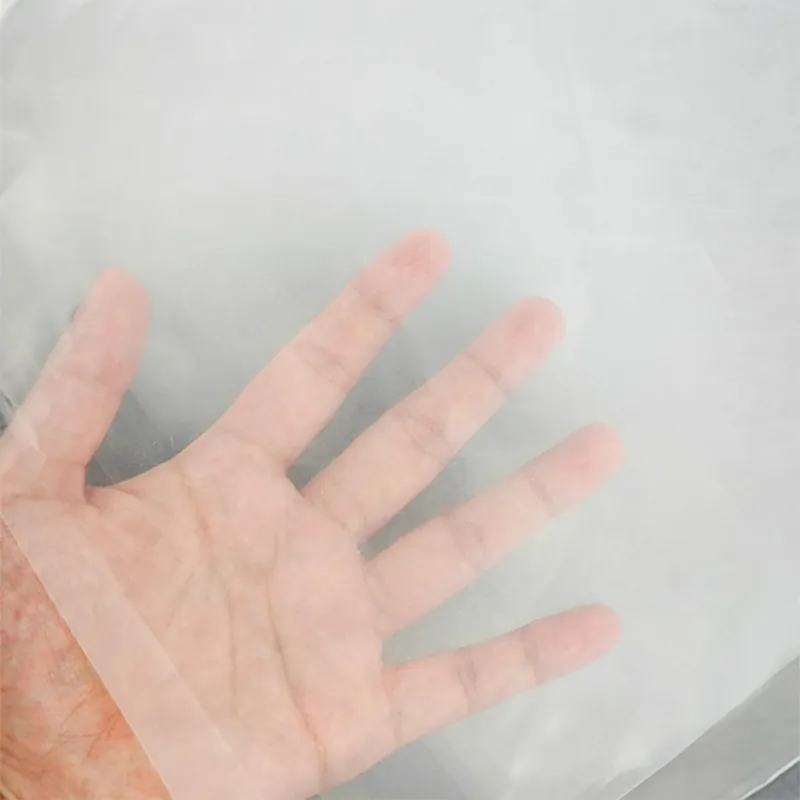
A film’s ability to maintain its structural and optical integrity over time begins with its resistance to solar degradation. Standard plastics can become brittle and cloudy when exposed to ultraviolet rays, which reduces their effectiveness. We incorporate stabilizers into our uv resistant greenhouse plastic sheeting to prevent this breakdown. This preservation ensures that the film’s key properties—such as light transmission and tensile strength—remain consistent throughout its service life, forming a reliable foundation for climate control. A robust uv resistant greenhouse plastic sheeting is the first defense against environmental variables that complicate temperature and humidity management.
Regulating Heat Through Radiative Balance
Temperature fluctuations can stress plants and impede growth. The solution lies in managing infrared radiation. During the day, sunlight enters the structure as short-wave radiation, which warms interior surfaces. At night, these surfaces re-radiate heat as long-wave infrared, which can escape through standard film. Our thermal film is designed with additives that selectively trap a portion of this long-wave radiation, slowing heat loss. This creates a more balanced thermal environment, reducing the energy required for supplemental heating and protecting against sudden temperature drops.
Optimizing Light and Managing Moisture Dynamics
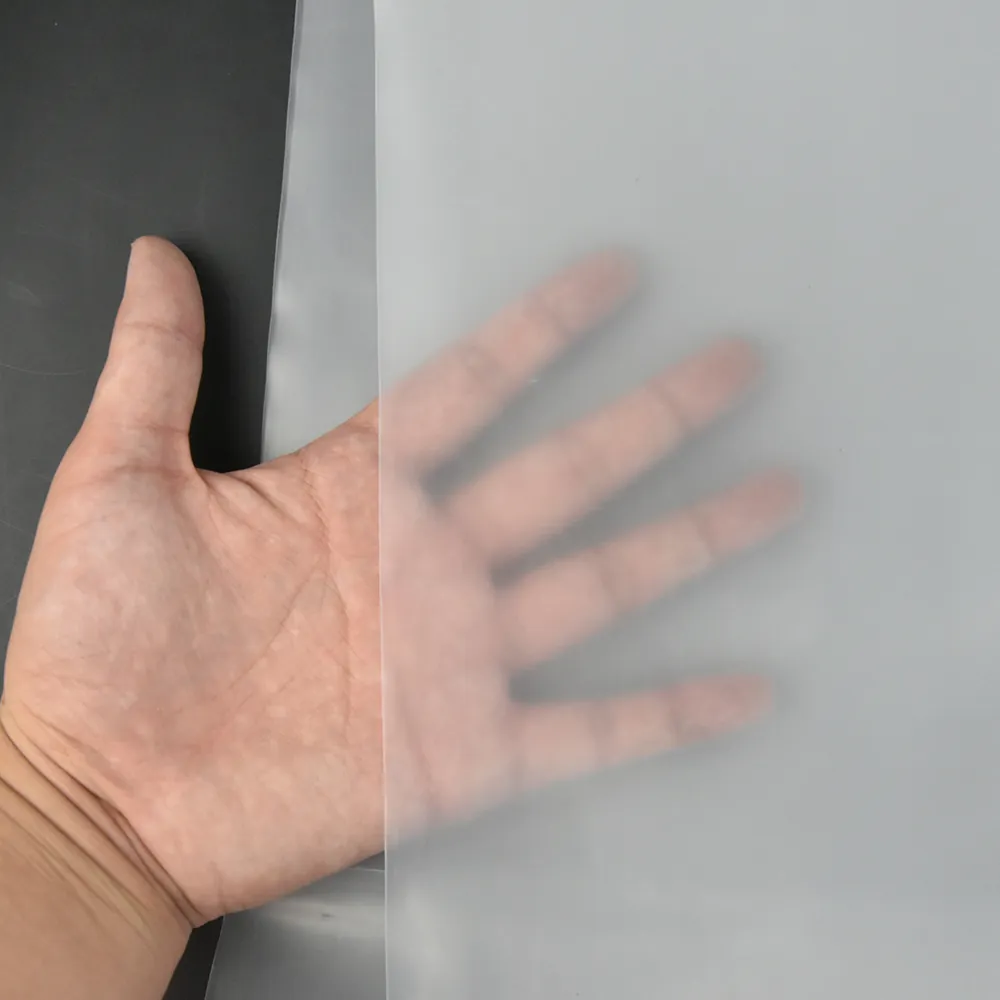
Condensation occurs when warm, moisture-laden air contacts a cooler surface, like the interior film wall. Dripping water can promote disease and reduce light penetration. A greenhouse clear film with engineered anti-condensation properties treats this issue. These films include surfactants that cause moisture to form a uniform, thin sheet of water that slides down the wall rather than falling as droplets. This preserves light transmission through the greenhouse clear film, maintains a drier canopy environment, and protects plant health. When paired with the insulating properties of a thermal film, it allows for more precise humidity control.
The challenges of temperature swings and condensation are not inevitable; they are manageable through material science. By selecting films designed for UV stability, thermal regulation, and condensation control, growers can establish a significantly more stable and productive climate. At HGDN, our approach centers on providing these integrated solutions. We develop uv resistant greenhouse plastic sheeting and specialized thermal film to work as a system, directly addressing the core environmental factors that influence crop success and operational efficiency.