Agricultural production involves managing a series of predictable yet challenging variables. For commercial operations, identifying tools that offer direct, functional answers to these challenges is a key part of operational planning. At HGDN, we focus on supplying the material solutions that form the basis of such strategies. The following outlines five specific issues where the deployment of agricultural mulch film delivers a tangible effect, complementing broader systems that may include structures utilizing greenhouse sheeting.
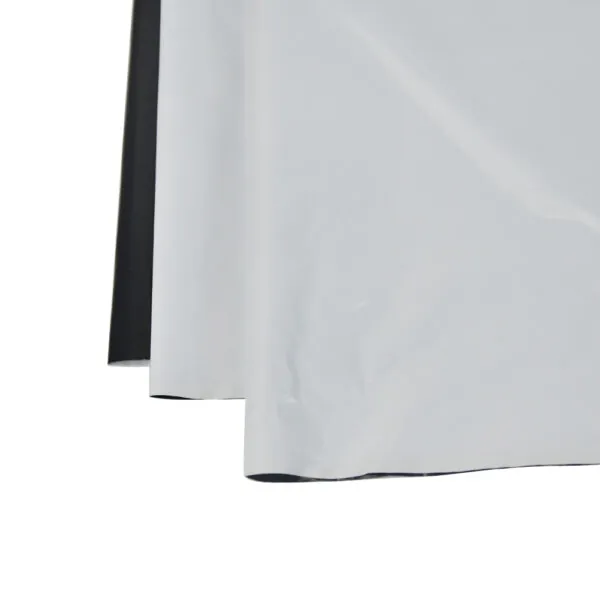
Problem 1: Inefficient Water Utilization and Moisture Loss
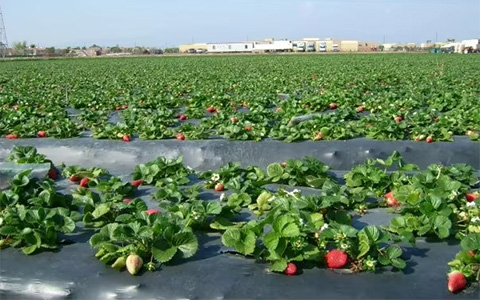
A significant volume of irrigation water can be lost to evaporation from the soil surface before plant roots access it. This represents both a resource waste and a recurring cost. Laying down a layer of plastic greenhouse film creates an impermeable barrier. This barrier dramatically reduces evaporative loss, locking moisture in the soil profile. The result is a more efficient irrigation cycle, where water inputs are conserved and soil remains consistently hydrated for root uptake, reducing the frequency and volume of watering required.
Problem 2: Unmanaged Weed Competition for Nutrients
Weeds compete directly with crops for water, nutrients, and light, often requiring costly mechanical or chemical intervention. An opaque agricultural mulch film solves this by blocking sunlight from reaching the soil. Without light, weed seeds beneath the film cannot germinate effectively. This suppression minimizes weed pressure, which in turn reduces the need for herbicides and manual labor for weeding. It allows the cultivated plants to utilize soil resources without competition, directing energy toward growth and yield.
Problem 3: Unfavorable and Fluctuating Soil Temperatures
Soil temperature is a critical factor for seed germination, root development, and microbial activity. Bare soil experiences wide temperature swings between day and night. Applying a plastic greenhouse film, particularly in darker colors, moderates this. The film absorbs solar heat during the day, warming the soil to promote faster germination and early growth. It also provides insulation against cold nighttime temperatures. This creates a more stable, favorable root-zone environment, extending viable growing periods.
Problem 4: Soil Erosion and Structural Degradation
Exposed soil is vulnerable to degradation from wind and, more critically, the impact of rain or overhead irrigation. This can lead to topsoil erosion and surface compaction. A covering of agricultural mulch film protects the soil surface. It dissipates the energy of falling water, preventing the displacement of soil particles and the formation of crusts. This preservation of soil structure maintains better porosity and aeration, which is crucial for healthy root growth and water infiltration, safeguarding the long-term health of the field.
Problem 5: Nutrient Leaching and Fertilizer Runoff
Applied fertilizers and soil amendments can be wasted through leaching, where water moves them deep beyond the root zone, or through surface runoff. This loss represents a direct financial inefficiency and can have environmental consequences. The use of plastic greenhouse film as a ground cover manages this issue. By significantly reducing the volume of water that percolates vertically through the soil profile or flows across its surface, the film helps keep soluble nutrients in place within the active root area. This containment improves nutrient use efficiency, allowing for more precise fertility management.
The interconnected challenges of water use, weed pressure, temperature control, soil preservation, and nutrient management define much of field-based agriculture. As detailed, the functional application of agricultural mulch film and related plastic greenhouse film products provides a consolidated, material-based response to these five problems. For operations employing protected cultivation, integrating this ground-level strategy with high-performance overhead greenhouse sheeting from HGDN establishes a complete microclimate management system. We provide the engineered film and sheeting materials that serve as the durable, functional foundation for these problem-solving applications in commercial growing.